
Wear it: The Heart of Odinism
Premium Norse-inspired apparel, made on demand.
🇺🇸 Fast US shipping · 🇪🇺 Ships across the EU · 🔒 Secure checkout
The living village: sights, sounds, and smells of the encampment
Forget the plastic horned helmets and cheap costumes. The first thing you notice when you step into a true Viking festival is the overwhelming sense of authenticity. This isn’t a theme park; it’s a living, breathing village, plucked from the pages of a saga and brought to life by a passionate community. The air itself feels different, thick with the scent of woodsmoke from countless cooking fires, the earthy aroma of damp canvas, and the rich, tangy smell of tanned leather.
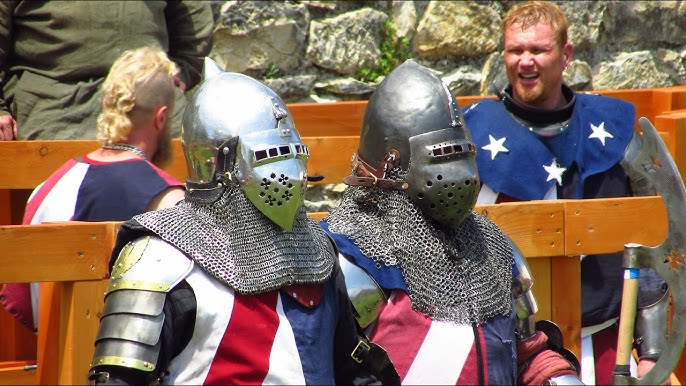
Your eyes roam over a sprawling encampment of period-accurate tents, not the brightly colored nylon domes of a modern campsite. These are A-frame and wedge tents, crafted from heavy linen or canvas and supported by hand-hewn wooden poles. Furs are draped over benches, and iron cauldrons bubble over open flames. You see people not in costumes, but in ‘garb’—the carefully researched and often hand-sewn clothing of the Norse people. Tunics of wool and linen, dyed in natural hues of rust, moss green, and deep blue, are held in place by intricate leather belts. You won’t find zippers or velcro here; every detail, from the hand-forged brooches (fibulae) pinning a cloak to the leather turnshoes on their feet, is a testament to dedication.
The soundscape is just as immersive. The constant, rhythmic clang of a blacksmith’s hammer striking an anvil provides a percussive backbone to the village. You’ll hear the soulful, haunting melodies of a tagelharpa or the gentle strumming of a lyre drifting from a nearby tent. Laughter and conversation in multiple languages mix with the guttural commands of a warrior drill and the enchanting voice of a skald, or storyteller, captivating a circle of children and adults alike with tales of Odin, Thor, and legendary heroes. This is a multi-sensory experience designed to transport you back in time, a place where every thread and every note is a piece of a meticulously recreated past.
Masters of ancient crafts: the heart of the festival
At the very core of any Viking festival is the celebration of craftsmanship. The Norse were not just raiders; they were master artisans, farmers, and traders. This dedication to skill is the lifeblood of the reenactment community, where ancient techniques are not just demonstrated but actively preserved and passed down to new generations.
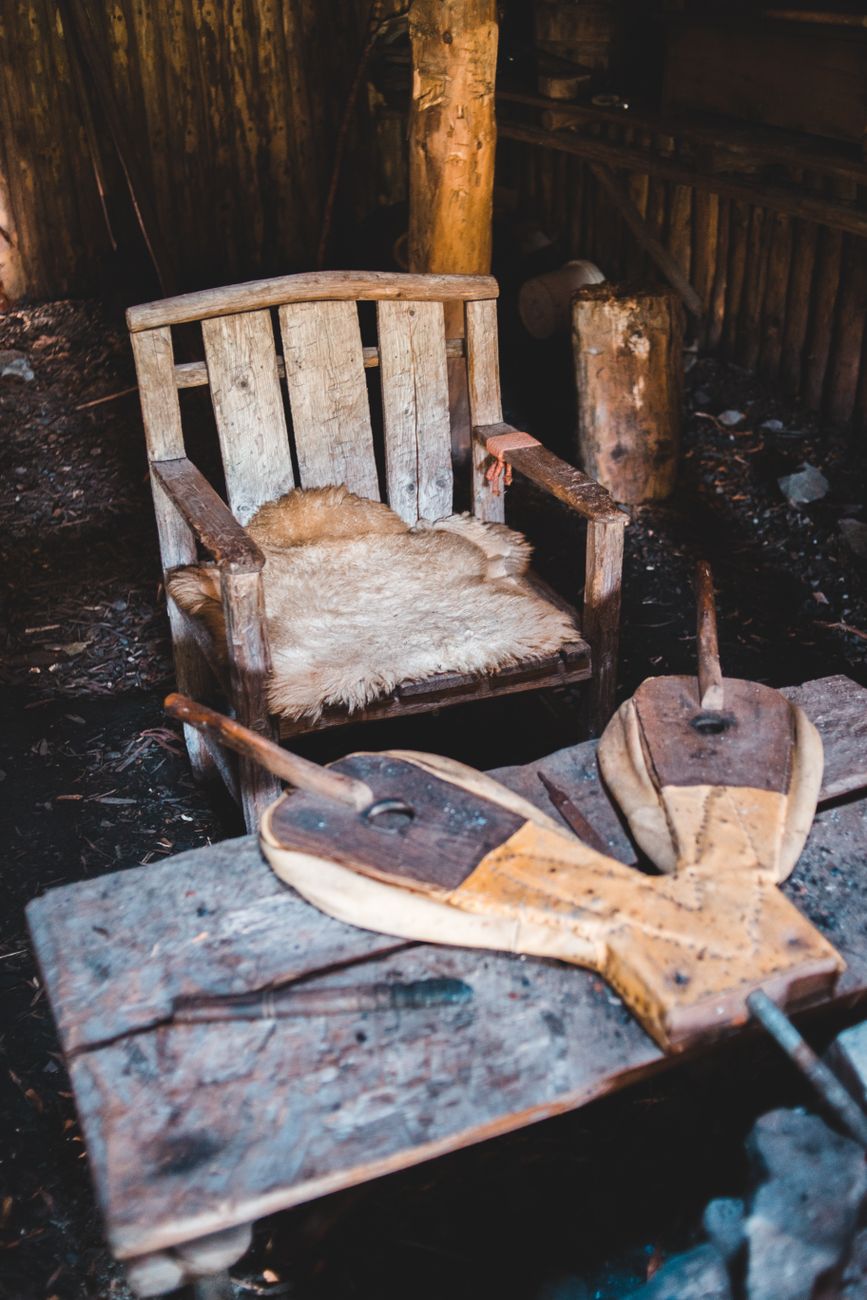
You can spend an entire day wandering from one artisan to the next, watching them work with an intensity and focus that is rare in our modern world. The blacksmith is often a central figure, their forge glowing with heat as they transform raw iron into functional art. You can watch as they hammer out a knife blade, twist metal into an intricate pendant, or forge the simple, everyday nails that hold the encampment together. This is not just a performance; it’s a masterclass in a skill that was essential for Viking Age survival.
Nearby, a leatherworker might be tooling a complex Norse knotwork design onto a belt or stitching a sturdy pouch by hand with a boar-bristle needle. They can explain the different types of tanning and how each piece of leather is chosen for its specific purpose. Move on, and you’ll find a woodworker, their hands covered in shavings as they carve a bowl with a spoon knife or burn intricate runes into the handle of a wooden spoon. Their work connects directly to the forests that were so vital to the Scandinavian people.
Perhaps most crucial to the look and feel of the festival is the work of the textile artisans. Here you will see women (and men) spinning wool into yarn on a drop spindle, a mesmerizing and ancient process. You may even see a massive warp-weighted loom, a fixture of every Viking longhouse, where they weave wool into the ‘vadmal’ cloth used for tunics, trousers, and cloaks. They are experts in natural dyes, using plants like madder for red, woad for blue, and onion skins for yellow, recreating the vibrant but earthy palette of the Viking Age. It is in their work that you truly see the website’s motto in action: the spirit of the North in every thread.
The warrior spirit: combat, games, and camaraderie
While craftsmanship is the heart, the warrior spirit is undoubtedly the soul of a Viking festival. The image of the fierce Norse warrior is iconic, and reenactment combat is one of the most thrilling spectacles you can witness. But this is far from a chaotic brawl. It is a disciplined, full-contact martial art based on historical sources and sagas. Warriors clad in leather and mail, wielding period-accurate axes, spears, and swords, clash in electrifying one-on-one duels and massive shield wall battles.
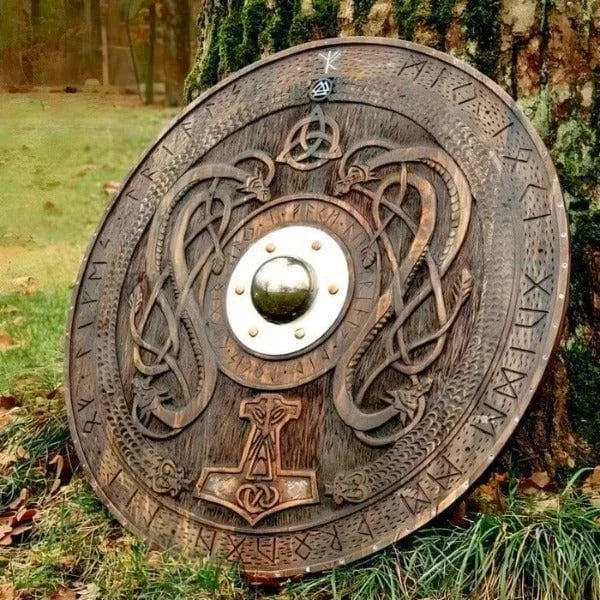
The shield wall is a sight to behold. Two lines of warriors lock their shields together, creating a formidable barrier as they push and shove for dominance, spears jabbing over the top. The commanders shout orders in Old Norse, and the air fills with the percussive thud of weapons on wooden shields and the roar of the warriors. The emphasis is always on safety, control, and historical accuracy. You’ll learn that the spear, not the sword, was the primary weapon of the common Viking, and that the round shield was a versatile tool for both defense and offense.
Beyond the battlefield, the competitive spirit thrives in other forms. You’ll find archery ranges where skilled archers send arrows whistling into targets with longbows. Feats of strength are a common sight, with participants hurling logs, lifting heavy stones, or engaging in ‘Glima,’ the traditional Norse folk wrestling. For those who prefer a battle of wits, you can often find a game of Hnefatafl, or Viking Chess, being played. It’s a fascinating strategic board game that predates modern chess, where a king must escape to the board’s edge while surrounded by a larger attacking force.
These activities culminate in the evening’s feast. As the sun sets, the community gathers around long tables or large bonfires. The air fills with the smell of roasting meat, hearty stews, and freshly baked bread. Horns and tankards are filled with mead, ale, or cider, and passed around with a hearty “Skål!” This is where the true sense of community is forged—in the sharing of food, the telling of stories, and the singing of songs long into the night, all under a canopy of stars.
Joining the fyrd: how to experience a festival yourself
Reading about a Viking festival is one thing, but experiencing it firsthand is another. If the call of the North speaks to you, attending a festival is more accessible than you might think. For a first-timer, the experience can be both exciting and a little intimidating, but a few simple tips can help you feel right at home.
First, how do you find an event? A quick online search for “Viking festival” or “Viking reenactment” in your state or country is a great starting point. Many reenactment groups have websites or social media pages where they post their event schedules. These events range from small, local gatherings to massive international festivals that draw thousands of participants and spectators.
What should you wear? As a visitor, you are perfectly welcome to attend in your modern clothes. No one will judge you. However, if you want to feel a bit more immersed, you don’t need a full set of handcrafted garb. A simple, plain-colored linen or cotton tunic (easily found online or at renaissance faires), a pair of simple trousers or a skirt, and a leather belt can go a long way. The most important thing is comfortable footwear; you’ll be doing a lot of walking on uneven ground.
When you arrive, bring cash. While some larger vendors may accept cards, many of the skilled artisans are small-scale crafters who operate on a cash basis. You’ll want to buy that hand-forged knife or beautiful woven belt you’ve been admiring. Also, be sure to bring an open and curious mind. The reenactors are passionate about history and are almost always happy to talk about their craft, their clothing, or their combat techniques. Don’t be afraid to ask questions! Just remember basic etiquette: always ask for permission before taking a photo of someone, and be respectful of the tents and personal belongings, as this is their home for the weekend.
A Viking festival is more than just a weekend event; it’s an invitation to step into another world. It’s a chance to learn, to connect with history in a tangible way, and to meet a vibrant community dedicated to keeping the spirit of the North alive. It’s a place where history isn’t just remembered; it’s relived.

 vikings


