
The ultimate attire for the sea-roamer
When we speak of legendary Viking attire, our minds often conjure images of horned helmets (a myth, but a persistent one), sturdy leather tunics, and gleaming mail. We picture the gear that protected a warrior in the shield wall. But what of the grandest attire of all? The one piece of equipment that defined the Viking Age, carried entire clans across tempestuous seas, and struck fear into the hearts of coastal monasteries? We speak, of course, of the longship.
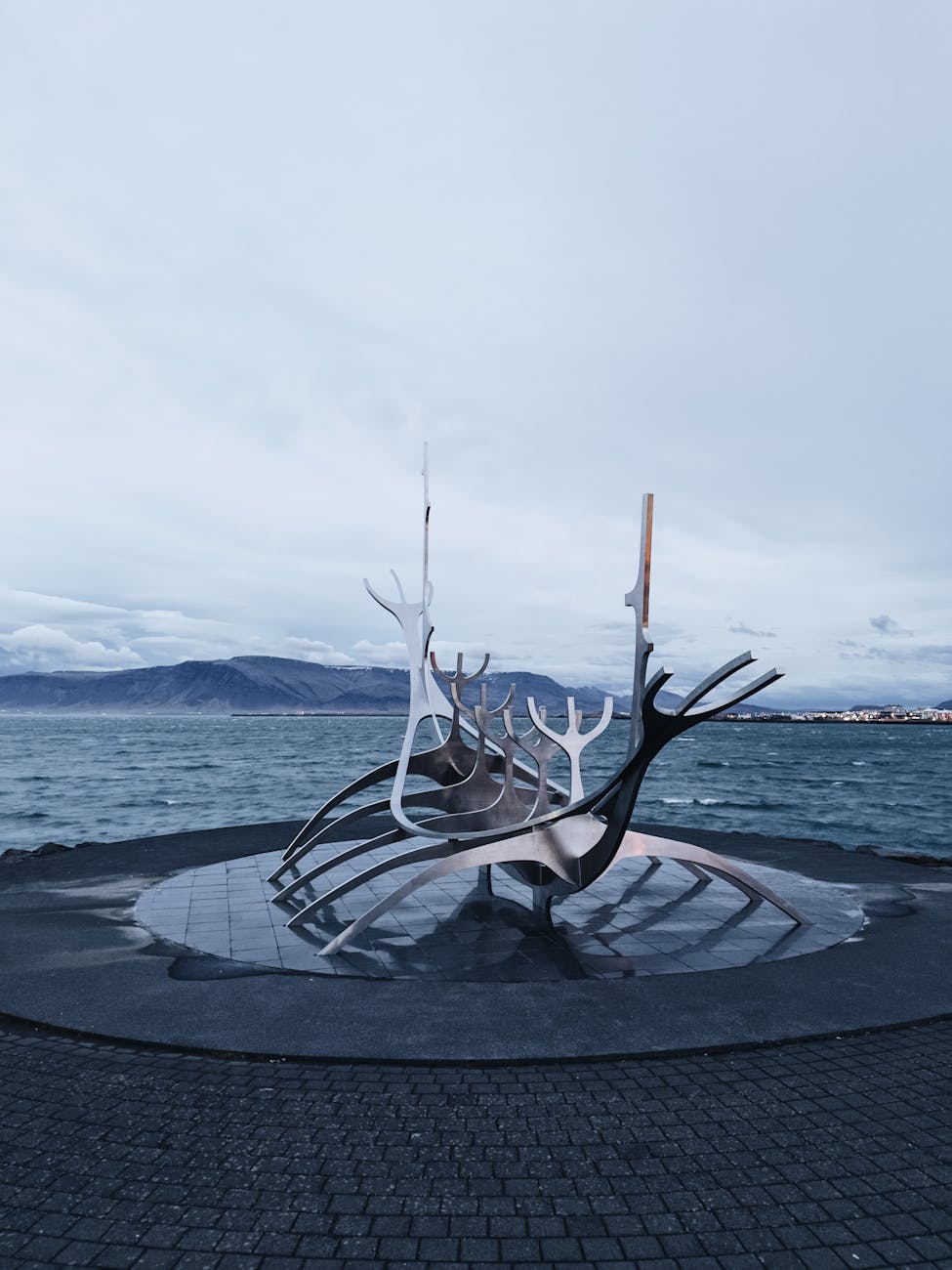
A longship was more than a boat; it was the collective skin of its crew. It was a masterpiece of Norse craftsmanship, a symbol of power, and the vessel that clothed a warrior’s ambition. To build one today is to do more than assemble wood and iron; it is to resurrect a piece of the fierce Northern spirit. It is a monumental undertaking, a saga written in sweat, sawdust, and determination. This guide is for the modern shipwright, the history enthusiast, the bold artisan ready to forge a connection with the past and build the ultimate piece of Viking heritage: a replica longship from scratch.
Before you strike the first blow: planning your norse masterpiece
The Vikings did not work from rolled-up blueprints, but from an ingrained, generational knowledge of wood and water. For our modern endeavor, however, meticulous planning is the bedrock of success. Rushing into this is like sailing into a storm without a sail; you must first understand the beast you wish to create.
Choosing your longship: from karve to drakkar

Not all longships were the fire-breathing Drakkars of legend. Viking vessels varied greatly in size and purpose. Understanding these differences is crucial to selecting a manageable project.
- The Karve: These were smaller, broader vessels, often used for coastal travel and trade, but also capable of raiding. The famous Gokstad and Oseberg ships are examples of Karves. For a first-time builder, a Karve-sized vessel (around 15-20 meters) is a challenging but achievable goal.
- The Snekkja: The quintessential warship. These were the workhorses of the Viking fleets, carrying around 40 warriors. They were long, narrow, and incredibly fast, designed for lightning-fast raids.
- The Skeid and Drakkar: The largest of the warships, often owned by kings and chieftains. These leviathans could carry over 100 men and were adorned with intimidating carved dragon heads (Drakkar means ‘dragon’). Building a full-scale Skeid is a project for a well-funded museum or a large, dedicated community.
For your replica, start by considering your resources, space, and team. A smaller Karve or even a Faering (a four-oared boat) can teach you all the fundamental techniques of Norse shipbuilding on a more practical scale.
Sourcing the timbers of old: the quest for the right wood
The soul of a longship is its wood. The Vikings had an intimate knowledge of forestry, choosing trees with natural curves that matched the desired shapes of the ship’s ribs, saving immense labor. While you may not have an ancient forest at your disposal, the choice of timber is paramount.
- Oak: The king of timbers. The Vikings used strong, resilient oak for the keel, stem, stern, and ribs—the ship’s skeleton. It’s heavy and durable, able to withstand the brutal forces of the sea.
- Pine: For the hull planks (strakes), long, straight-grained pine was preferred. It’s lighter than oak, flexible, and when coated in tar, remarkably water-resistant.
- Ash and Yew: Often used for smaller, detailed parts like pegs, tool handles, and sometimes bows, valued for their strength and flexibility.
For a modern build, securing high-quality, properly seasoned lumber is your first great quest. Look for green oak for parts that need bending and air-dried pine for planking. Never compromise on the quality of your wood; it is the difference between a vessel and a wreck.
The blueprint of the ancients: studying historical designs
We are fortunate to have incredible archaeological treasures to guide us. The Oseberg, Gokstad, and Skuldelev ships provide a tangible connection to the past. Before you pick up a single tool, immerse yourself in these designs. Study their lines, the patterns of their rivets, the genius of their construction. There are numerous books and online resources with detailed plans and archaeological drawings based on these finds. While the Vikings built by eye, your project will demand a precise plan to ensure a seaworthy result.
Forging the serpent of the seas: the step-by-step construction
With plans laid and materials gathered, the true work begins. This is where you channel the spirit of the Norse shipwright, transforming raw timber into a vessel worthy of a saga.
Laying the backbone: the mighty keel

Every longship begins with its backbone: the keel. Unlike modern ships, the Viking keel was a T-shaped beam, often carved from a single, massive oak tree. This design provided incredible longitudinal strength while keeping the draft shallow, allowing longships to navigate rivers and be beached on shores. Shaping the keel is a monumental task of sawing, hewing with axes, and planing. It must be perfectly straight and true, as the entire ship will be built upon this foundation. To this, the stem and stern posts are attached, their elegant curves giving the longship its iconic, menacing profile.
Raising the ribs: crafting the strakes and frame
Herein lies the true magic of Viking shipbuilding: the clinker-built (or lapstrake) method. The hull is built first, like a shell, and the frame is added later. This is the reverse of most traditional shipbuilding.
- The Garboard Strake: The first plank, the garboard, is fixed to the keel. This is the most difficult plank to shape and fit.
- Building the Hull: Subsequent planks, or strakes, are added, each one overlapping the one below it by a few centimeters. The planks are riveted together using iron rivets and roves (washers). A helper on the inside would hold a heavy dolly against the rove while the shipwright on the outside hammered the rivet, clenching it tight. This created a strong but surprisingly flexible hull.
- Shaping the Planks: To achieve the hull’s complex curves, planks were bent using steam or hot water. This was a delicate art, requiring a deep understanding of how the wood would behave.
- Inserting the Frame: Once the shell of the hull is complete, the internal ribs (the frame) are fitted. They are not rigidly nailed to the planks but are often lashed into place using tough cordage (originally made from spruce roots) threaded through cleats left on the inner face of the planks. This incredible technique allowed the hull to flex and twist in heavy seas, moving with the waves rather than fighting them. This flexibility was the longship’s greatest secret.
Sealing the hull: the art of caulking
To make the ship watertight, the gaps between the overlapping strakes had to be sealed. The Vikings used a process called caulking, stuffing the seams with animal hair (from sheep or goats) soaked in pine tar. This mixture was packed tightly into the seams, creating a seal that was both waterproof and elastic, moving with the hull as it flexed.
Adorning the beast: the finishing touches of a true longship
With the hull complete, the ship has its form, but it does not yet have its soul. The final details transform it from a mere boat into a Viking longship.
The mast, sail, and rigging: harnessing the wind’s fury
The longship’s power came from its single, massive mast and its broad, square sail. The mast, usually of pine, rested in a huge block of oak on the keel known as the mast fish or ‘kerling’ (old woman), which distributed the immense forces. The sail itself was a work of art, typically woven from wool and treated with oils and fats to make it more durable. It was controlled by a simple but effective system of ropes (rigging), allowing the crew to harness the wind for long voyages.
The dragon’s head and serpent’s tail: carving the iconic prow
The fearsome dragon head was the ship’s identity. It was not mere decoration; it was a psychological weapon, a totem of power designed to intimidate enemies and protect the crew from evil spirits. These were often intricately carved masterpieces, sometimes removable so as not to frighten the friendly land spirits (landvættir) when returning home. Carving the prow is where the shipwright becomes a true artist, breathing life and personality into the vessel.
Shields, oars, and the steering board
A rail was built along the gunwale to hang the crew’s shields, providing extra protection from arrows and waves while displaying the clan’s colors. Oars, crafted from pine or ash, were the ship’s engine in battle or calm weather, propelled by the raw strength of the crew. Finally, the steering oar or ‘steerboard’ was mounted on the right side of the ship—the origin of the nautical term ‘starboard’. This large, specialized oar gave a single helmsman incredible control over the long, narrow vessel.
The spirit of the shipwright: more than just wood and iron
Building a replica longship is a journey back in time. It’s a lesson in patience, resilience, and problem-solving. It requires more than just skill with an axe and a hammer; it demands a reverence for the material and an appreciation for the genius of its original creators. Historically, building a ship was a community effort, a collective ritual that bound a clan together. Similarly, a modern replica project thrives on teamwork and shared passion.
As you shape the wood and drive the rivets, you are not just building an object. You are participating in a tradition that is over a thousand years old. You are creating a vessel that, like the mail and tunics of its crew, is an expression of the untamable Viking spirit.
Your voyage begins
Standing before a completed longship, a vessel born from your own hands, is an unparalleled feeling. You have not just built a boat; you have forged a living piece of history. You have crafted the ultimate attire for an adventure across the waves. Whether it ever tastes saltwater or stands as a proud monument to Norse ingenuity, it is a testament to the enduring power of craftsmanship and the fierce, creative spirit of the North. The plans are laid, the techniques are known. Your saga awaits.

 vikings


