
Wear it: The Heart of Odinism
Premium Norse-inspired apparel, made on demand.
🇺🇸 Fast US shipping · 🇪🇺 Ships across the EU · 🔒 Secure checkout
Introduction: Windows into the Viking Age
Viking Age artifacts serve as tangible links to a dynamic and complex past, offering invaluable insights into the lives, beliefs, and societal structures of the ancient Norse people. These objects—from daily tools to exquisite jewelry and formidable weaponry—provide a direct connection to the individuals who crafted and used them over a millennium ago, enriching our understanding and challenging preconceived notions of this influential era.
Through careful archaeological excavation and meticulous study, these unearthed treasures allow historians to reconstruct the intricate tapestry of Viking society. They illuminate aspects such as advanced craftsmanship, extensive trade networks, sophisticated spiritual practices, and the practicalities of daily existence, crucial for grasping the true scope of Viking influence and their enduring legacy.
Tools of Survival and Craftsmanship
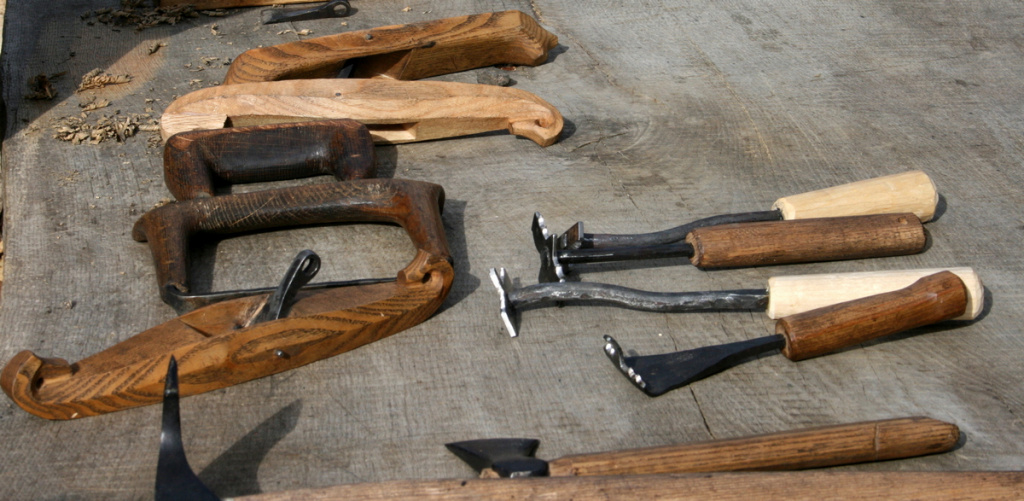
The ingenuity of Viking Age artisans is evident in the array of tools designed for both survival and specialized crafts. Iron axes, knives, and agricultural implements were fundamental to daily life, reflecting a society deeply connected to the land. The quality of ironwork, often featuring pattern-welding, speaks to a sophisticated metallurgical understanding essential for creating durable and effective instruments.
Beyond heavy-duty tools, smaller artifacts reveal a thriving culture of craftsmanship. Bone and antler combs, intricately carved wooden objects, and textile production tools like spindle whorls demonstrate a keen eye for detail and mastery of various materials. These everyday items, often subtly decorated, highlight the blend of practicality and aesthetic appreciation inherent in Norse culture.
Adornment and Status: Viking Jewelry
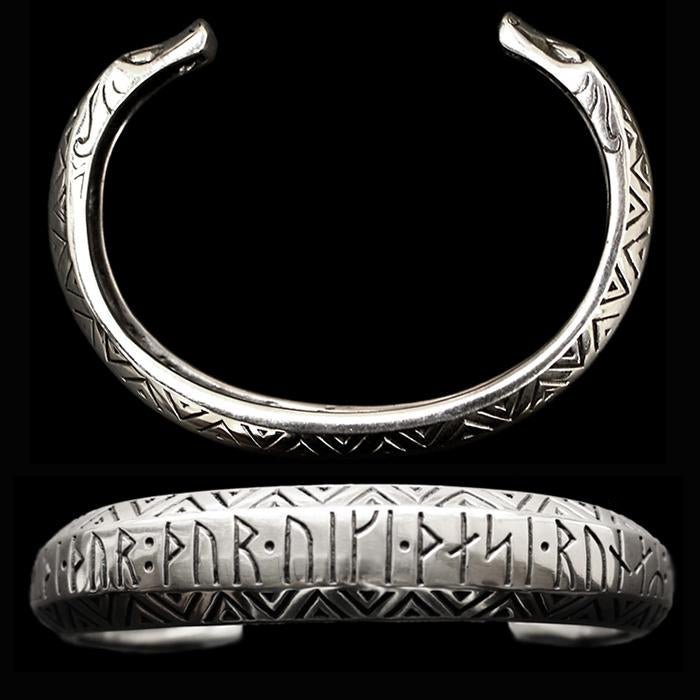
Viking jewelry was more than mere decoration; it was a powerful indicator of wealth, status, and identity. Brooches, often elaborate and made of silver or bronze, were essential for fastening garments. Arm rings, neck rings, and pendants, frequently crafted from precious metals, served as both personal adornment and portable wealth, often broken into smaller pieces for trade or payment.
Designs on Viking jewelry frequently incorporated intricate knotwork, animal motifs, and mythological symbols, reflecting their rich spiritual worldview. The presence of foreign coins and stylistic influences from Anglo-Saxon, Celtic, and Slavic cultures embedded within these pieces underscores the extensive trade and cultural exchange that characterized the Viking Age. Each piece tells a story of personal expression and global connection.
Weapons and Warfare: The Norse Arsenal
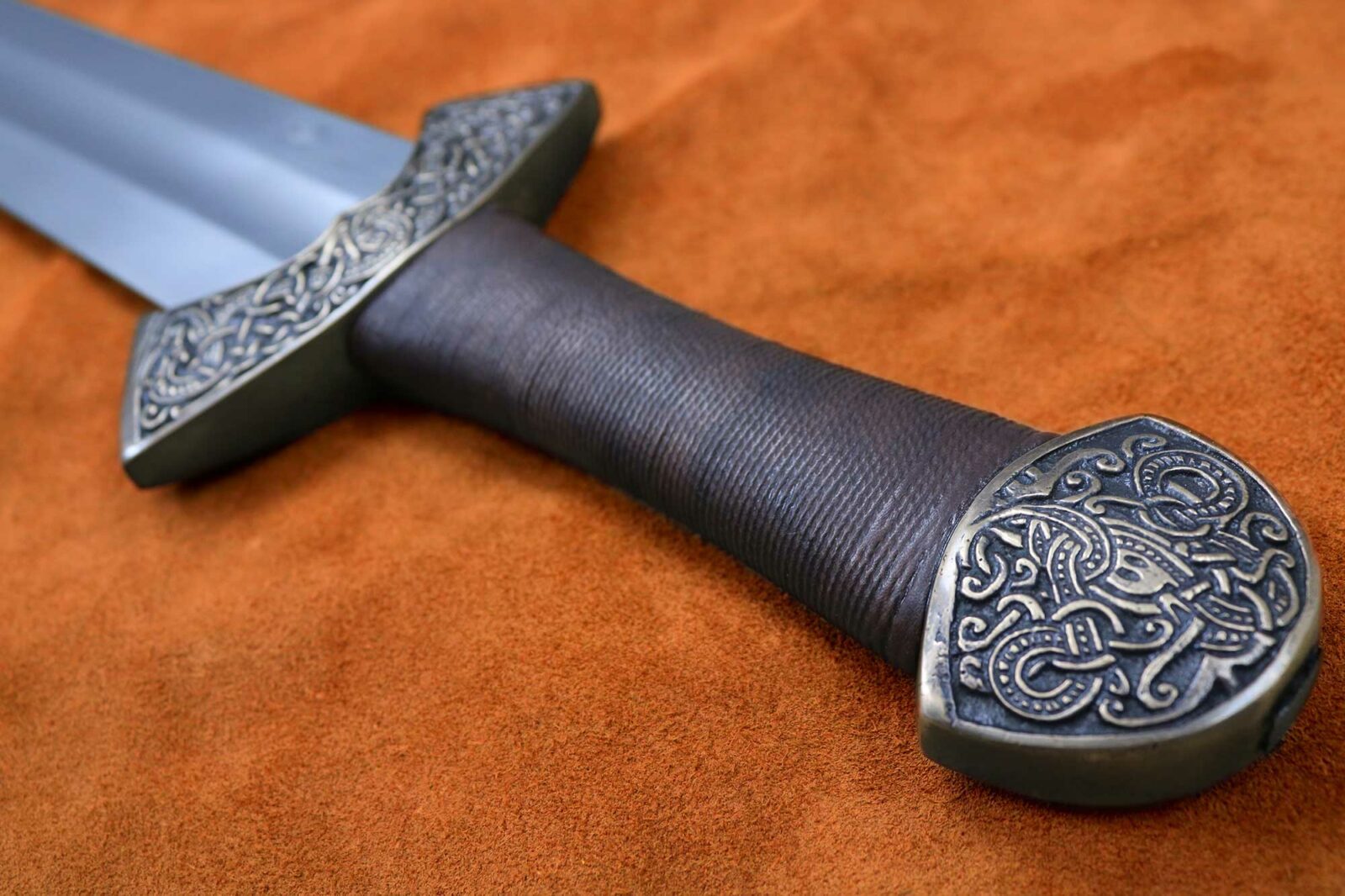
The image of the Viking warrior is often defined by their formidable weaponry, and archaeological finds confirm the importance of swords, axes, spears, and shields. Viking swords, renowned for balance and sharpness, were often pattern-welded, a complex technique combining different types of iron and steel for strength and flexibility. Axes, particularly the iconic bearded axe, served as versatile tools and devastating weapons.
Beyond their combat function, weapons held significant cultural and symbolic value. Many were richly decorated with precious metals and intricate designs on hilts and blades, signifying the owner’s status and prowess. Their inclusion in grave goods further emphasizes their importance, suggesting a belief in their continued utility or symbolic power in the afterlife.
Trade and Travel: Global Connections
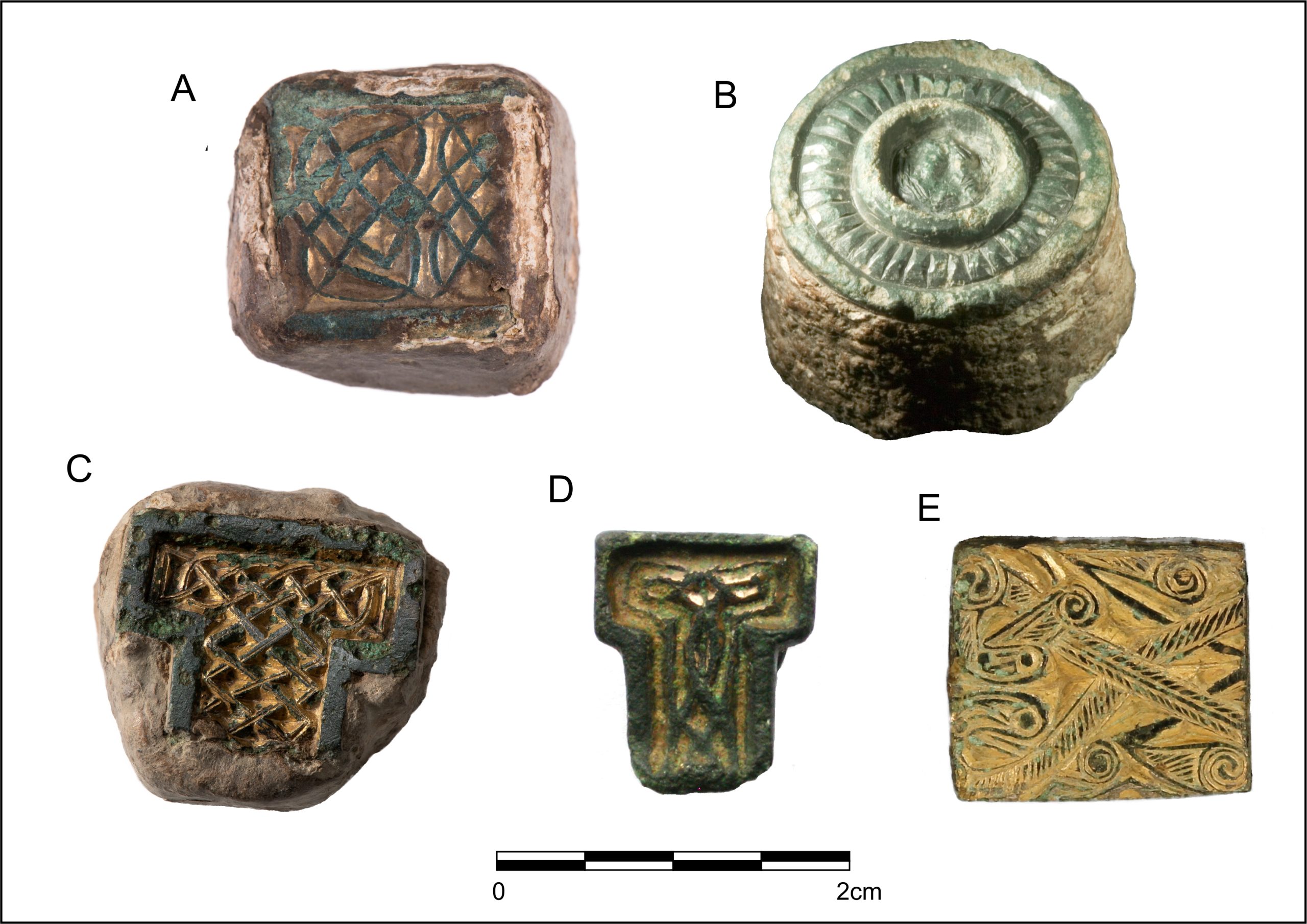
Viking Age artifacts provide compelling evidence of a vast and interconnected world. Hoards containing thousands of Islamic silver dirhams, Anglo-Saxon pennies, and Byzantine coins, alongside precise weighing scales and weights, testify to extensive trade networks stretching from the Middle East to North America. These finds demonstrate the Vikings’ role not just as raiders, but as astute merchants and explorers.
The discovery of foreign goods, such as glass beads from the Mediterranean, pottery from the Rhineland, and amber from the Baltic, in Viking settlements and burial sites further illustrates their global reach. Perhaps the most iconic artifacts of their travel are the remains of their ships—longships for raiding and knarrs for cargo—representing unparalleled feats of maritime engineering.
Ritual and Belief: Echoes of the Gods
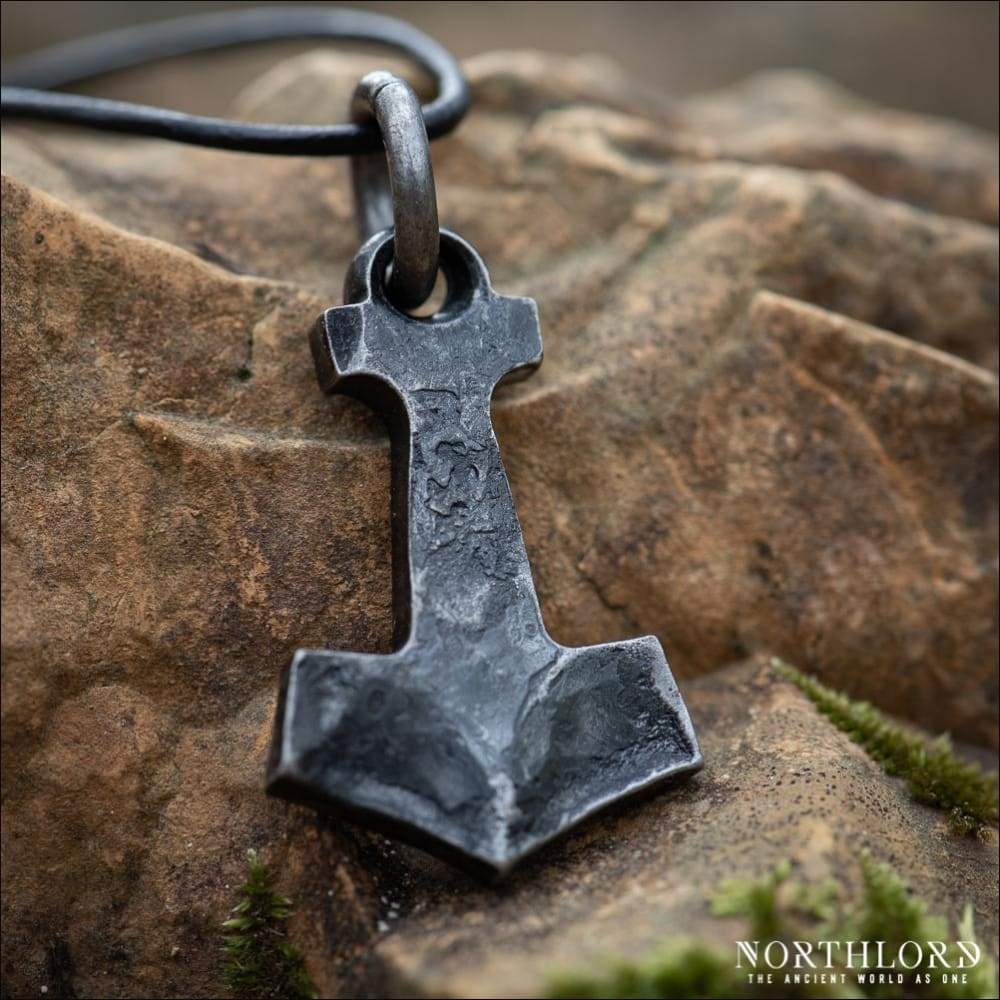
The spiritual worldview of the Norse people is vividly expressed through a variety of ritual and belief-related artifacts. Amulets, most famously Thor’s hammers (Mjölnir pendants), were worn for protection and to invoke the power of the gods. Runic inscriptions, found on everything from memorial stones to personal belongings, often conveyed prayers, blessings, or commemorated events, offering direct glimpses into their language and magical practices.
Grave goods, meticulously placed with the deceased, provide profound insights into Viking beliefs about death and the afterlife. These often included personal items, tools, weapons, and even sacrificed animals, reflecting a desire to equip the departed for their journey. Interpreting these artifacts allows us to piece together the complex cosmology and spiritual practices that underpinned Viking society.
Unearthing Tomorrow: The Future of Viking Archaeology
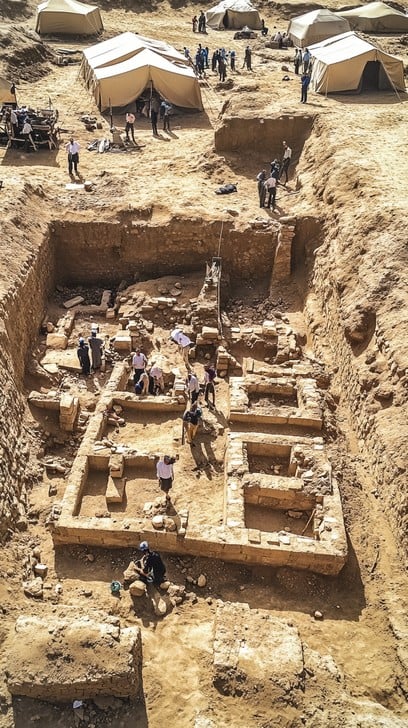
The field of Viking Age archaeology continues to evolve rapidly, driven by new technologies and dedicated research. Techniques like LIDAR are revealing previously unknown settlement patterns and burial mounds, while advanced metal detecting leads to significant hoard discoveries. These ongoing efforts ensure our understanding of the Viking Age is constantly being refined and expanded, with new insights emerging regularly.
Museums and academic institutions worldwide play a crucial role in the preservation, study, and public dissemination of these invaluable artifacts. Through exhibitions, digital archives, and scholarly publications, they ensure the legacy of the Norse people remains accessible and relevant. Each artifact serves as a vital piece in the ever-growing mosaic of Viking history, connecting us to a powerful and enduring past.

 vikings


