
Wear it: The Heart of Odinism
Premium Norse-inspired apparel, made on demand.
🇺🇸 Fast US shipping · 🇪🇺 Ships across the EU · 🔒 Secure checkout
The Enduring Allure of Norse Accessories
The fascination with the Viking Age continues to captivate, extending beyond sagas and historical accounts into contemporary fashion and personal expression. Norse accessories, once practical items or potent talismans, have transcended their original context to become powerful symbols in modern culture. These pieces offer a tangible connection to a rich spiritual worldview, allowing individuals to carry a piece of ancient history and its profound meanings into their daily lives.
From intricate pendants to robust arm rings, Norse-inspired accessories currently offer a unique blend of historical reverence and contemporary style. They serve not merely as adornments but as statements, reflecting an appreciation for the strength, wisdom, and artistry associated with the ancient Norse people. Understanding the symbolism embedded within these designs is key to appreciating their enduring appeal and integrating them meaningfully into one’s personal aesthetic.
Historical Context: Adornments of the Viking Age
During the Viking Age (roughly 793-1066 CE), accessories were far more than mere decoration; they conveyed status, wealth, and belief. Archaeological discoveries across Scandinavia and Viking settlements reveal a diverse array of items, including brooches, pendants, rings, and armbands, crafted from materials such as silver, bronze, iron, and occasionally gold. These pieces were often functional, like the penannular brooches used to fasten cloaks, but were also imbued with significant cultural and religious meaning.
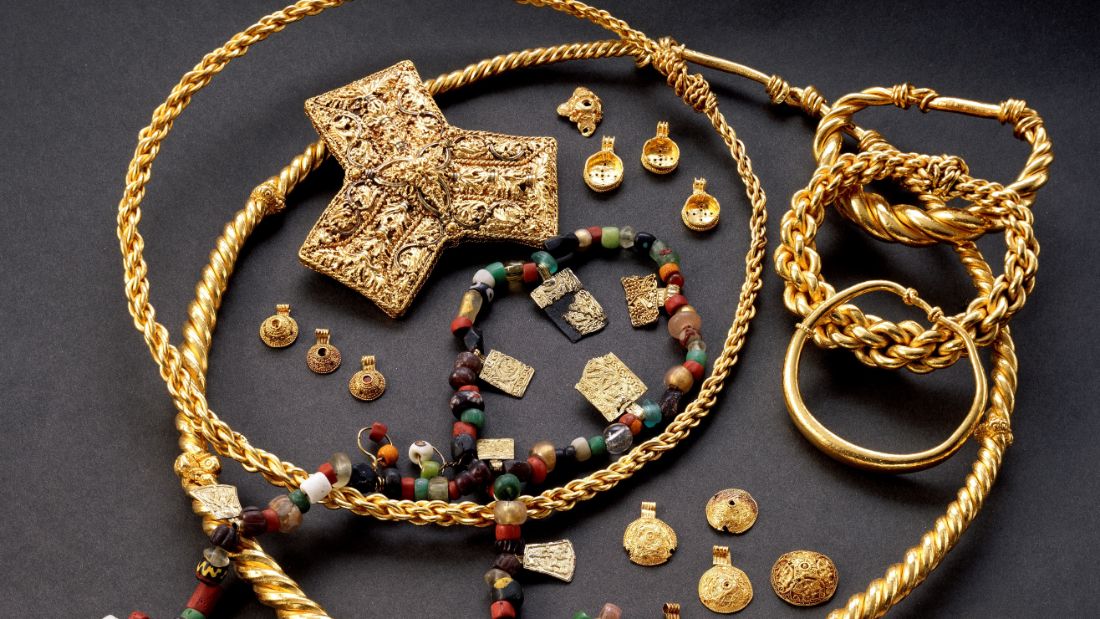
The craftsmanship of these historical artifacts was remarkably sophisticated, featuring intricate filigree, granulation, and casting techniques. While many pieces were simple and practical, others displayed elaborate designs depicting mythological creatures, geometric patterns, and abstract forms. These historical accessories provide invaluable insights into the aesthetic sensibilities and spiritual beliefs of the Norse people, forming the foundation for the modern interpretations we see today.
Key Symbols and Their Profound Meanings
Many popular Norse accessories feature symbols deeply rooted in mythology and spiritual belief, each carrying a distinct narrative and power. The most recognizable is perhaps Mjolnir, Thor’s hammer, symbolizing protection, strength, and consecration. It was widely worn as an amulet during the Viking Age, particularly as a counter-symbol to the Christian cross during the conversion period, and remains a potent emblem of resilience today.
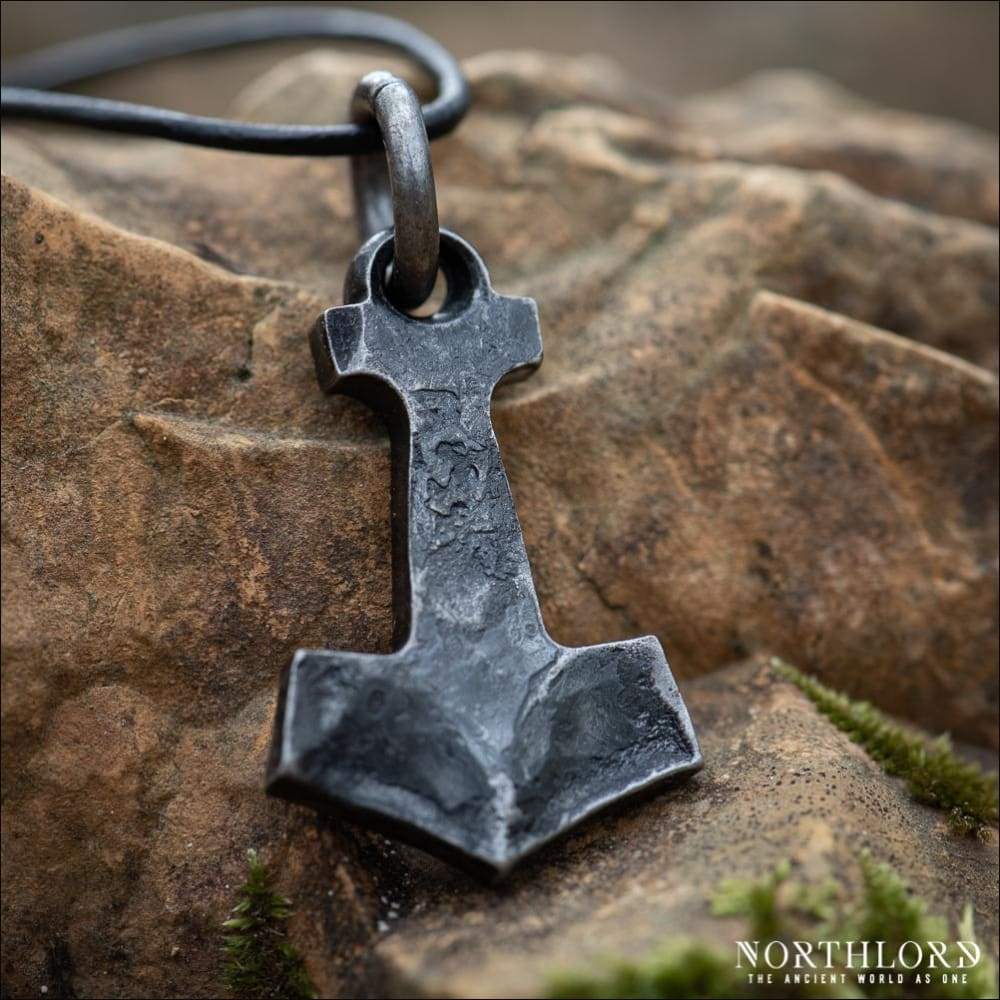
- Mjolnir (Thor’s Hammer): Represents protection, strength, consecration, and the power of the gods.
- Valknut (Odin’s Knot): A symbol of three interlocking triangles, often associated with Odin, fallen warriors, and the afterlife. Its exact historical meaning is debated, but it is widely interpreted as a symbol of courage and destiny.
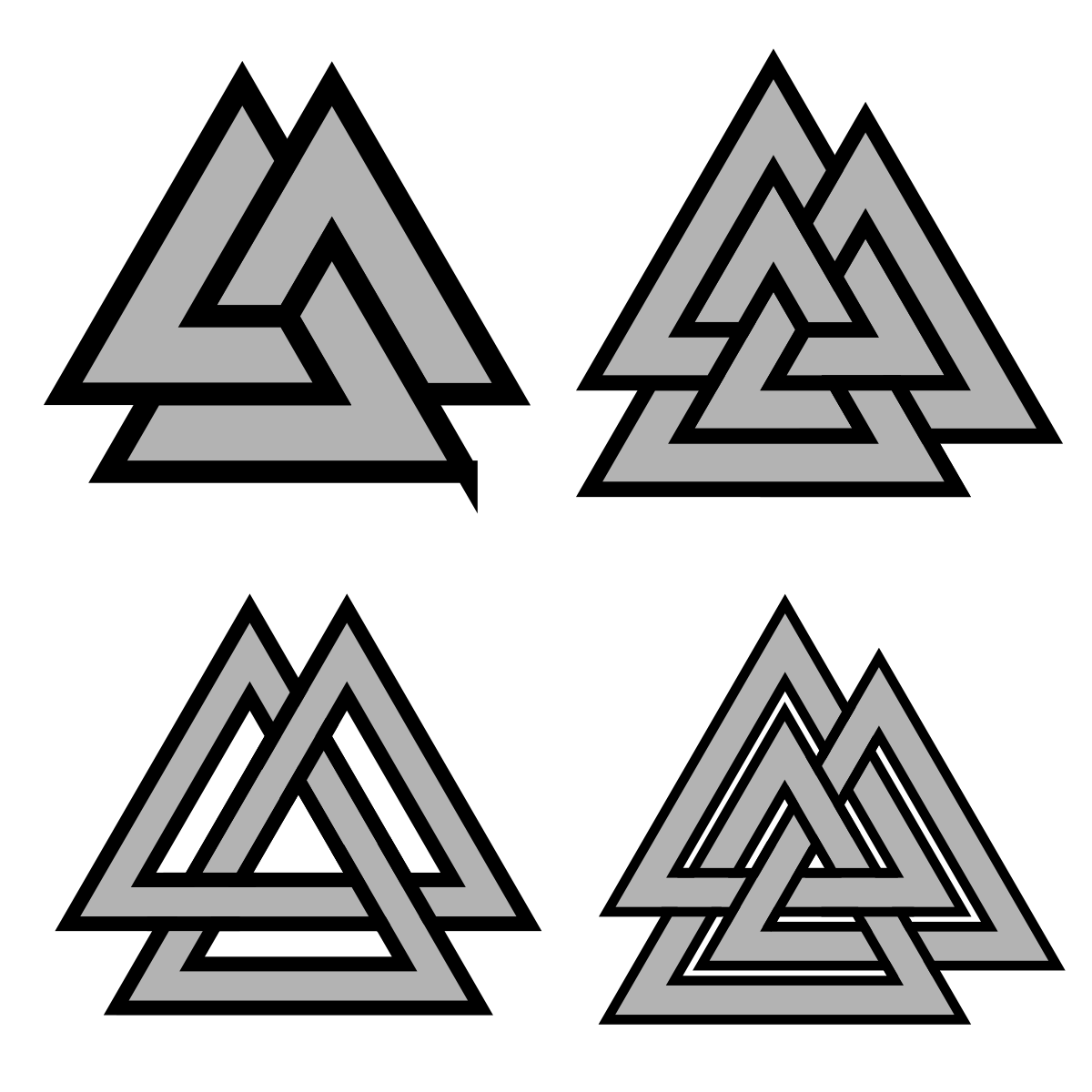
Valknut symbol - Yggdrasil (The World Tree): The immense ash tree connecting the nine realms of Norse cosmology. It symbolizes interconnectedness, life, death, and rebirth.
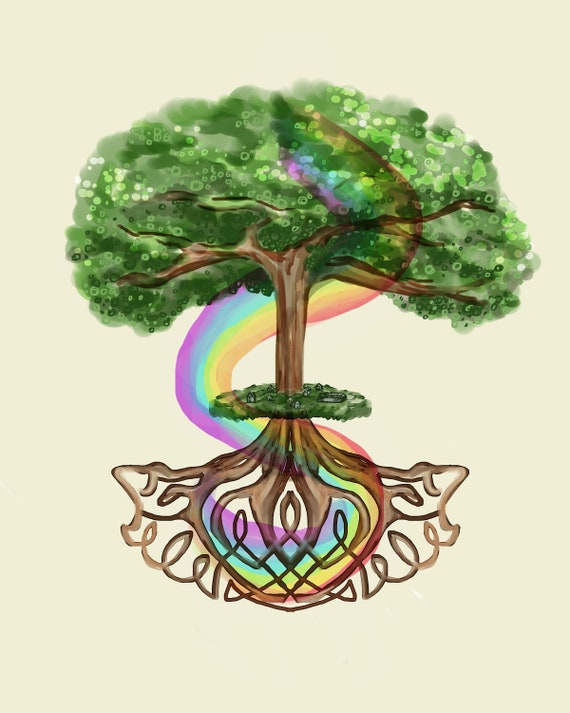
Yggdrasil tree art - Runes: Ancient Germanic alphabets, each rune possessing a unique phonetic, magical, and divinatory meaning. Runes were carved into objects for protection, blessings, or to invoke specific powers.
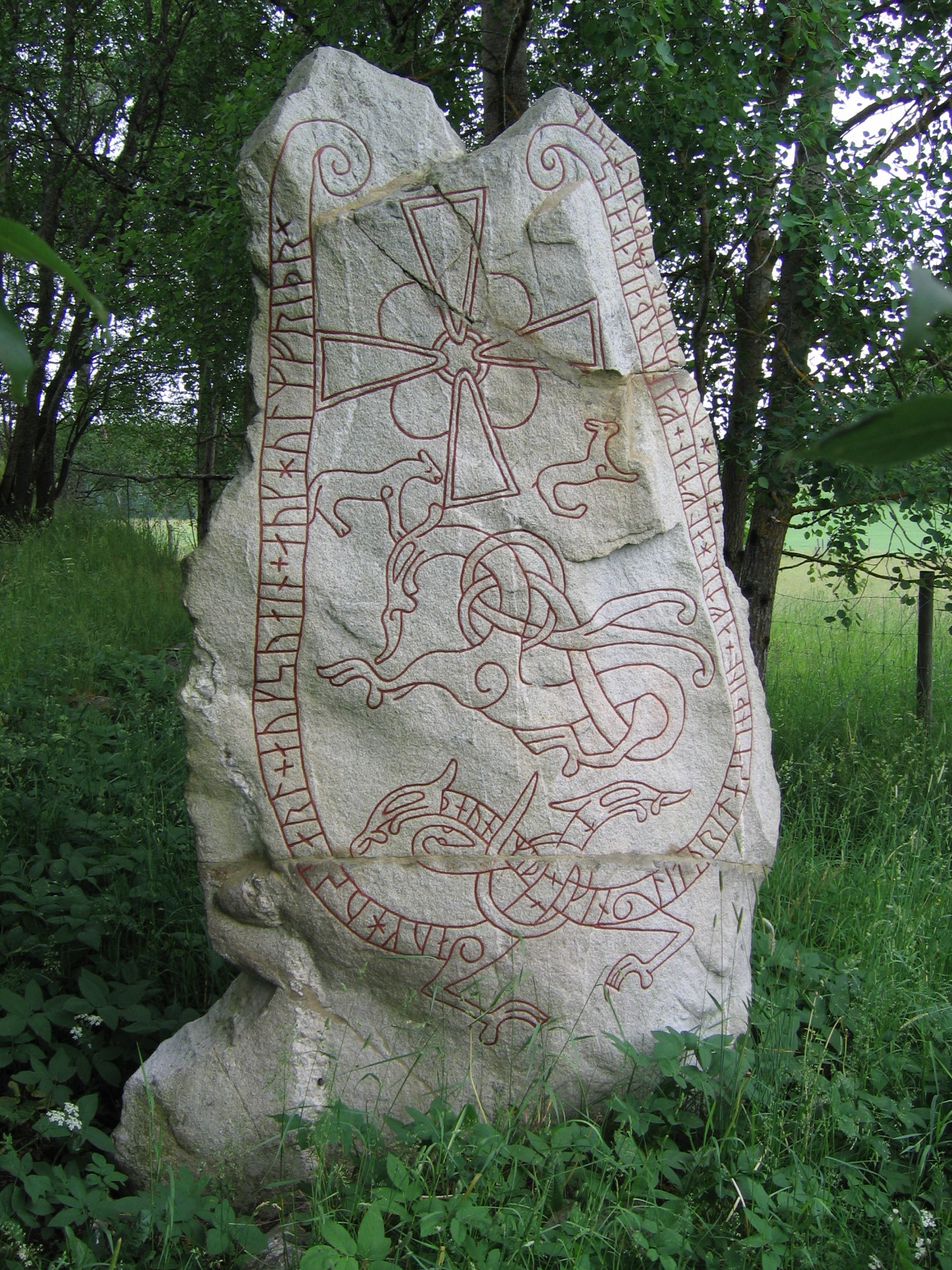
Runes on stone - Ouroboros: The serpent or dragon eating its own tail, often depicted as Jörmungandr, the Midgard Serpent. It symbolizes the cycle of life, death, and rebirth, as well as eternity and cosmic unity.
- Vegvisir (The Wayfinder): An Icelandic magical stave, often mistaken for a Viking Age symbol, but originating from later Icelandic grimoires. It is popularly believed to guide one through rough weather and ensure safe passage. Its modern popularity reflects a desire for guidance and protection.
Materials and Craftsmanship in Modern Norse Adornment
Contemporary Norse accessories draw inspiration from historical materials and techniques while also embracing modern innovations. Sterling silver remains a popular choice, echoing the prevalence of silver in Viking Age hoards and jewelry. Bronze, often given an antique finish, provides an authentic, rustic feel. Stainless steel has also gained popularity for its durability, affordability, and resistance to tarnishing, making Norse designs accessible to a wider audience.
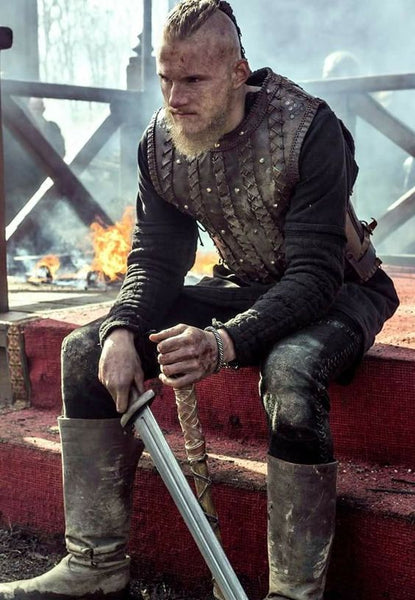
Beyond metals, materials like leather, wood, and bone are frequently incorporated, especially in more rustic or handcrafted pieces. Leather cuffs embossed with runic patterns or wooden pendants featuring carved symbols offer a tactile connection to nature and ancient craftsmanship. The quality of craftsmanship, whether in intricate metalwork or detailed carving, significantly contributes to the aesthetic and perceived value of these modern interpretations.
Integrating Norse Style into Contemporary Fashion
Currently, Norse accessories are integrated into a variety of personal styles, ranging from subtle nods to overt expressions of cultural affinity. Smaller, minimalist pendants or discreet runic rings can complement everyday wear, adding a touch of historical depth without dominating an outfit. Larger, more elaborate pieces, such as heavy arm rings or detailed brooches, often serve as focal points, particularly when paired with rugged or historically inspired attire.
The versatility of these accessories allows them to transcend specific fashion trends. They are often seen in subcultures that appreciate historical aesthetics, fantasy themes, or a connection to nature and ancient spiritualities. The key lies in choosing pieces that resonate personally and complement one’s existing wardrobe, allowing the symbolism to speak through the as a unique element of individual expression.
The Enduring Legacy of Norse Adornment
As we navigate the complexities of the modern world, the appeal of Norse accessories continues to grow, offering a tangible link to a powerful past. These items are more than just jewelry; they are carriers of history, mythology, and deeply rooted cultural values. Whether chosen for their aesthetic appeal, their symbolic meaning, or a combination of both, Norse accessories allow individuals to express a connection to the ancient North and its enduring spirit.
The ongoing evolution of Norse-inspired design ensures that these symbols remain relevant and accessible, continually finding new forms and interpretations. By understanding their origins and meanings, wearers can engage with these pieces on a deeper level, celebrating the rich legacy of the Norse people and carrying their stories forward into the future.

 vikings


