
The cloth of the North: Embracing natural fabrics and earthy tones
The spirit of the Viking age was forged in the unforgiving landscapes of the North. It was a world of windswept fjords, dense forests, and rocky coasts, and the clothing of its people was a direct reflection of this environment. To dress like a modern Viking is to first understand this fundamental connection to the natural world. It begins not with horns or helmets, but with the very fabric that rests against your skin. The foundation of authentic Norse-inspired fashion is built upon a respect for durable, practical, and natural materials.

Wool was the undisputed king of the Viking wardrobe. Sheep, particularly the hardy Northern European short-tailed breeds, provided a material that was insulating even when damp, incredibly durable, and versatile. From the simple, functional kyrtill (tunic) to the heavy, protective vararfeldur (a shaggy wool cloak), wool was the shield against the biting northern winds. In a modern context, this translates to investing in high-quality woolens. Think of thick, cable-knit sweaters in charcoal grey, heavy wool overcoats that drape with authority, or even finely woven merino wool base layers for a touch of hidden authenticity. The key is to embrace the texture and substance of the fabric, allowing its natural strength to become part of your silhouette.
Linen, crafted from the fibers of the flax plant, was the essential counterpart to wool. Worn as undertunics and shirts, it was breathable, comfortable against the skin, and became softer with every wash. While the Vikings didn’t have the crisp, white linen shirts of today, they valued this fabric for its comfort and practicality. For the modern warrior, incorporating linen is effortless. A simple linen shirt in an off-white, beige, or sky blue, worn slightly unbuttoned, offers a relaxed yet rugged feel, perfect for layering under a leather jacket or a wool sweater. It hints at the historical layers of Viking attire without being a direct costume.
The color palette of the North was drawn from the land itself. Dyes were created from plants, minerals, and lichen, resulting in a spectrum of rich, earthy tones. Forget vibrant, synthetic colors; the Viking world was painted in shades of moss green, soil brown, heather purple, the deep red of madder root, and the golden yellow of weld. When building your modern Viking wardrobe, lean into these colors. They are grounding, powerful, and endlessly versatile. A forest green tunic, a pair of brown cargo pants, or a cloak-like scarf in a deep burgundy will evoke the Norse spirit far more effectively than any novelty t-shirt. Layering these muted, natural tones creates a depth and complexity that feels both ancient and contemporary.
Echoes of the forge: Adorning yourself with symbolic metalwork
In the Viking age, jewelry was far more than mere decoration. It was a public declaration of wealth, a marker of social status, a seal for oaths, and often, a powerful talisman imbued with spiritual significance. Each piece, hammered from silver, bronze, or iron, told a story. To incorporate Norse-inspired jewelry into your modern style is to carry these ancient echoes with you, turning a simple accessory into a statement of identity.
Perhaps the most iconic piece of Norse jewelry is the Mjolnir, or Thor’s Hammer, pendant. For the Vikings, wearing this symbol was an invocation of the thunder god’s protection, strength, and courage. It was a shield against chaos and a symbol of faith in the old gods. Today, a Mjolnir pendant remains a potent symbol. Worn on a simple leather cord or a silver chain, it is an immediate and recognizable nod to the warrior spirit. The beauty of this trend is its scalability; you can choose a small, subtle hammer for daily wear or a large, ornate piece as a powerful focal point for your outfit. It’s a personal choice that connects you directly to the heart of Norse mythology.
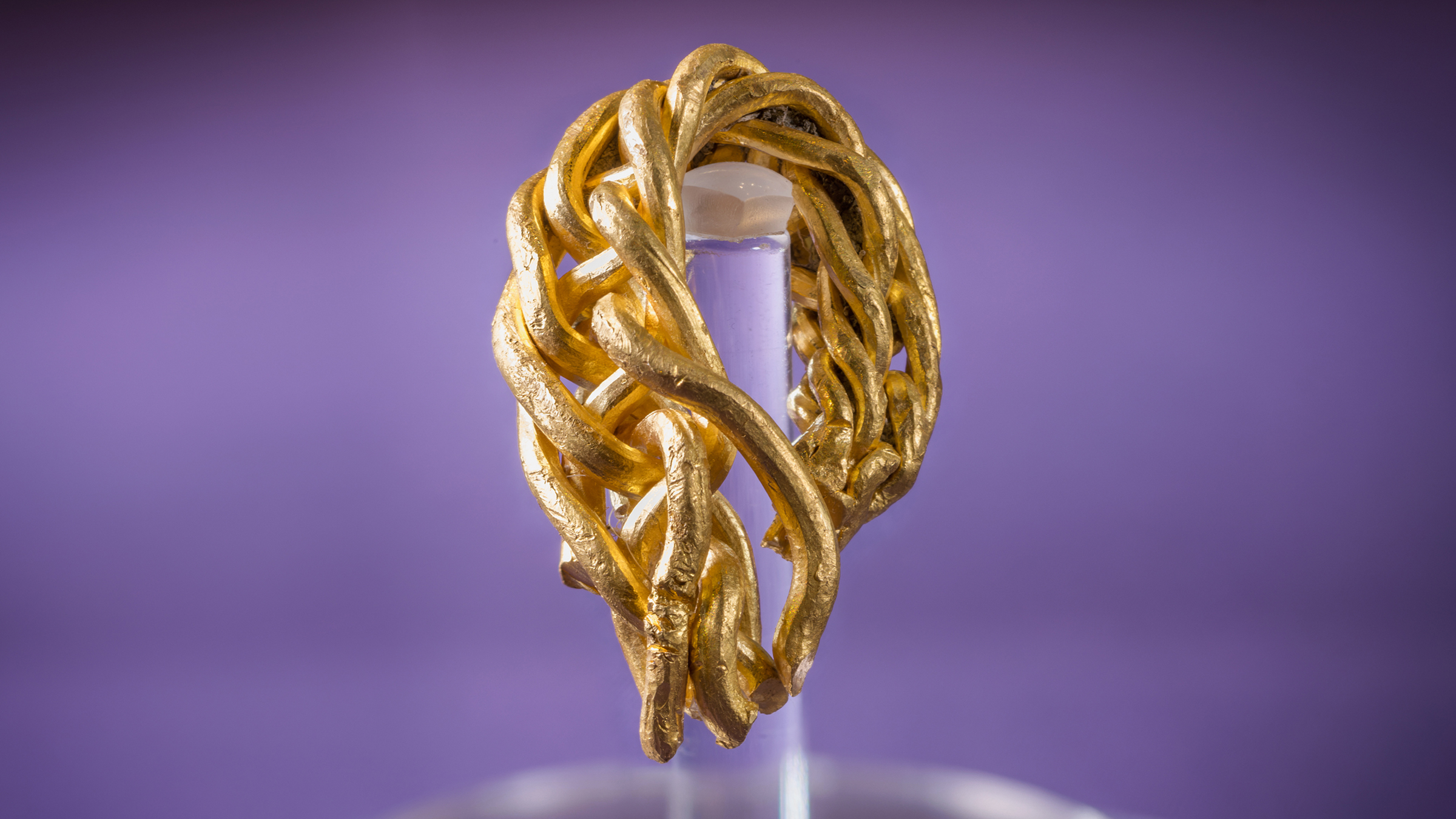
Another quintessential Viking accessory was the arm ring. These bands of twisted or hammered metal were not just bracelets; they were the ancient equivalent of a bank account and a pledge of allegiance. Jarls would bestow arm rings upon their most loyal warriors, sealing an oath of fealty. They were also made to be easily cut and used as currency, which is why they were often called ‘hack silver’. For the modern enthusiast, the arm ring is a bold statement. A heavy, twisted silver cuff or a bronze band etched with runes or knotwork adds an undeniable edge to any look. It speaks of loyalty, strength, and a tangible connection to the past. Unlike a simple bracelet, a Viking-inspired arm ring has weight and presence; it feels like a piece of history on your wrist.
Beyond these iconic pieces, consider the functional beauty of the fibula, or brooch. Vikings used these ornate pins to fasten their heavy wool cloaks at the shoulder. They were often intricately designed, showcasing the skill of the local smith. In a modern wardrobe, a Celtic knot or dragon-headed brooch can be used in the same way on a thick scarf, a poncho, or the lapel of a heavy coat. It is a unique and stylish way to secure your outer layers while paying homage to the practicality and artistry of Norse craftsmen. Choosing to wear this kind of jewelry is about selecting pieces that resonate with your own story, transforming your attire into a form of personal saga.
The warrior’s silhouette: Forging your look with leather and fur
The final layer of the Viking aesthetic is about building a powerful and practical silhouette. This is where the rugged, durable materials of leather and fur come into play, creating a look that is both protective and commanding. These elements were essential for survival in the harsh northern climate and on the battlefield, and they bring a formidable edge to any modern wardrobe. The key is to focus on function and quality, allowing the materials themselves to define your shape.

Leather was a Viking’s constant companion. It was used for boots, belts, pouches, armor, and bracers. Its ability to withstand the elements while molding to the wearer’s body made it indispensable. The most crucial leather item for creating a modern Viking silhouette is a wide, sturdy belt. Historically, the belt wasn’t just for holding up trousers; it was a tool belt from which a Viking would hang their knife, pouch, and other daily necessities. For a contemporary look, a wide leather belt worn over a long tunic, a chunky sweater, or even a dress can completely transform your silhouette, adding structure and a focal point. Choose a belt with a heavy, forged buckle or subtle tooling to enhance the authentic feel.
Footwear is another critical component. The Vikings needed rugged, reliable boots to march across unforgiving terrain and stand firm on the deck of a longship. This translates seamlessly into modern fashion. Invest in a pair of high-quality leather boots with a durable sole. Think combat boots, sturdy work boots, or classic lace-up styles in dark brown or black. The more worn and weathered they become, the more character they gain, perfectly capturing the essence of a well-traveled warrior. These boots ground your entire outfit, providing a solid, practical foundation for the rest of your look.
Finally, we must address the iconic use of fur and hides. While essential for warmth in the Scandinavian winter, we can achieve this look with respect for modern ethics. High-quality faux fur has become an incredible alternative, offering the same visual impact and warmth. A coat with a large, faux-fur collar or hood immediately evokes the image of a Jarl wrapped in a heavy cloak. A faux-fur trim on gloves or the lining of a leather vest can add a touch of northern luxury and primal warmth. Paired with other leather accessories like simple cuffs or bracers, these elements complete the warrior’s ensemble. It’s a style that projects resilience, readiness, and an untamed spirit, proving that the heart of the Viking warrior can beat just as strongly in the modern world.

 vikings


