
The enduring echo of the north: why viking style still captivates us
The spirit of the Viking Age never truly faded. It echoes in the sagas, whispers on the wind across the fjords, and lives on in the hearts of those who feel a connection to the fierce, adventurous soul of the North. This spirit is not just a relic of history; it is a powerful aesthetic that is being reborn in modern fashion. More than just costumes for a festival, Viking-inspired style is a statement of strength, a connection to nature, and an appreciation for handcrafted, meaningful items. It’s a rebellion against the fleeting trends of fast fashion, opting instead for timeless pieces that tell a story.

For the modern warrior, man or woman, adopting elements of Norse attire is about channeling that inner resilience. It’s about choosing clothing and accessories that are not only visually striking but also functional and durable, reflecting the pragmatic yet artistic nature of the Vikings themselves. From the rugged textures of wool and linen to the intricate symbolism of a Mjolnir pendant, these trends are a way to carry the legacy of the past into our daily lives. This guide will explore the top Viking-inspired fashion trends, showing you how to integrate the power and artistry of the Norse people into a contemporary wardrobe that is both authentic and wearable. Get ready to forge your own modern saga, one thread and one accessory at a time.
The foundation of the north: embracing natural fabrics and earthy tones
Before the intricate jewelry and formidable leatherwork, the foundation of any Viking’s wardrobe was the fabric that protected them from the harsh Northern elements. The Norse people were masters of their environment, and their clothing reflected a deep understanding of natural, functional materials. Today, this principle forms the bedrock of modern Viking-inspired fashion, standing in stark contrast to the synthetic materials that dominate the modern world.

The two undisputed kings of Viking Age textiles were wool and linen. Wool, primarily from sheep, was a miracle fiber. It provided incredible insulation even when wet, making it essential for survival during brutal Scandinavian winters and long sea voyages. It was spun into thread and woven into everything from simple under-tunics (kyrtill) to heavy, protective outer cloaks (vararfeldr). These weren’t just drab, scratchy garments; archaeological finds reveal wool dyed in rich, earthy colors derived from plants and minerals. Deep reds, mossy greens, golden yellows, and rich browns were common, mirroring the natural landscapes of their homeland.
In the modern context, this translates to investing in high-quality woolens. Think of a thick, woven wool sweater or a durable, heavyweight cloak instead of a standard winter coat. These pieces offer unparalleled warmth and a rugged texture that immediately evokes a Norse aesthetic. The color palette remains key; sticking to these earthy, natural tones creates a cohesive and authentic look that is both subtle and powerful.
Linen, made from the flax plant, was the wool’s counterpart for warmer weather and undergarments. It was breathable, comfortable against the skin, and surprisingly strong. Linen shirts and trousers were everyday staples. For the modern warrior, incorporating linen is simple. A well-made linen shirt in a natural, undyed color or a deep indigo is a perfect nod to Viking style, ideal for warmer months or as a base layer. It’s a fabric that looks better with age, softening and gaining character with every wear—a concept the Vikings, who valued durable and long-lasting goods, would have appreciated.
Leather also played a crucial role, not just in accessories but as part of core garments like trousers and jerkins, offering protection from both weather and weapons. A pair of well-fitted leather trousers or a rugged leather vest can serve as a powerful statement piece in a modern Viking wardrobe, blending historical authenticity with a contemporary edge.
Embracing these materials is the first step to building a genuine Viking-inspired look. It’s about choosing quality over quantity and function over fleeting fashion. It’s a return to the earth, to the fundamental elements that gave the Norse people their legendary resilience.
Forged in legacy: powerful accessories and symbolic jewelry
If natural fabrics were the foundation of Norse attire, then accessories were the soul. In Viking society, what you wore on your belt, wrist, or around your neck was far more than mere decoration. It was a declaration of your identity, status, wealth, and spiritual beliefs. For the modern warrior, accessories are the most potent way to infuse the Viking spirit into an everyday look, transforming a simple outfit into a testament to heritage and personal strength.
Leatherwork was fundamental to Viking life. A strong, wide leather belt was not an optional extra; it was an essential tool. It held a warrior’s scabbard, a pouch for coins, a knife, and other daily necessities. Today, a substantial leather belt, perhaps with a hand-forged buckle or stamped Norse motifs, remains a cornerstone of the aesthetic. It cinches a tunic, adds structure to a dress, or simply brings an element of rugged utility to a pair of jeans. Beyond belts, leather bracers or cuffs are another iconic piece. While historically providing wrist protection in battle, they now serve as a bold symbol of strength. A simple, tooled leather bracer is a powerful and wearable statement that connects you directly to the warrior class of the Viking Age.
However, it is in their metalwork and jewelry that the Viking spirit truly shines. Norse jewelry was worn by everyone—men, women, and children—and was rich with symbolism. The most recognizable symbol is undoubtedly Mjolnir, the hammer of Thor. A Mjolnir pendant was a powerful amulet of protection, strength, and consecration. Wearing one today is a direct link to this belief, a call for Thor’s strength in facing modern-day challenges. Similarly, arm rings (or oaths rings) were incredibly significant. Forged from silver or gold, they were used to signify wealth, reward loyalty from a Jarl to his warriors, and were even used to swear sacred oaths upon. A modern arm ring, whether a simple twisted band or an elaborate piece with wolf-head terminals, is a profound symbol of commitment, honor, and personal bonds.
Delving deeper, you’ll find a world of intricate symbolism. The Valknut, a symbol associated with Odin and the fallen warriors chosen for Valhalla, speaks of sacrifice and destiny. Yggdrasil, the World Tree, represents the interconnectedness of all things. Runes, the letters of the ancient Norse alphabet, were not just for writing; each held a unique magical and philosophical meaning. Incorporating these symbols into pendants, beads for a beard or hair, or rings allows for deep personalization. You are not just wearing a piece of jewelry; you are wearing a piece of cosmic belief, a personal intention, or a tribute to the gods of old. Choosing your symbol is a journey in itself, connecting your personal path to the ancient sagas.
The warrior’s crown: iconic hairstyles and formidable beards
A Viking’s hair and beard were not just a matter of happenstance; they were a canvas for self-expression, a symbol of status, and a sign of their identity as a free man or woman. The image of the wild, unkempt barbarian is a historical inaccuracy. In reality, the Norse people took great pride in their grooming. Combs, often made of bone or antler, are one of the most common artifacts found in Viking graves, proving that meticulous care was a part of daily life. For the modern enthusiast, adopting these grooming styles is a powerful way to embody the Viking aesthetic from the head down.
For men, the beard was a symbol of virility, wisdom, and manhood. To be beardless was often a source of insult. The sagas describe a range of beard styles, but a full, well-kept beard was the ultimate goal. The modern resurgence of the beard aligns perfectly with this tradition. But to truly capture the Norse spirit, it’s about more than just letting it grow. It’s about grooming it, oiling it to keep it healthy, and, for the truly dedicated, styling it. Braiding is a key element. A single braid down the chin or smaller braids on the sides can add an immediate and authentic Viking touch. The ultimate statement is the addition of beard beads or rings. These small metal adornments, often engraved with runes or knotwork, are threaded onto the braids, adding weight, style, and personal symbolism.
The hair on their head was just as important. The so-called “Viking undercut” or “Ragnar style,” made famous by television, has a genuine historical basis. This style, featuring shaved or very short sides and a long top, was practical for a warrior as it kept hair out of the eyes and face during combat, especially when wearing a helmet. The long hair on top was often tied back in a knot or, more impressively, woven into intricate braids that ran down the back. This combination of brutal practicality and artistic styling is the essence of the Viking warrior. For modern men, it’s a bold and popular style that is both edgy and historically resonant.
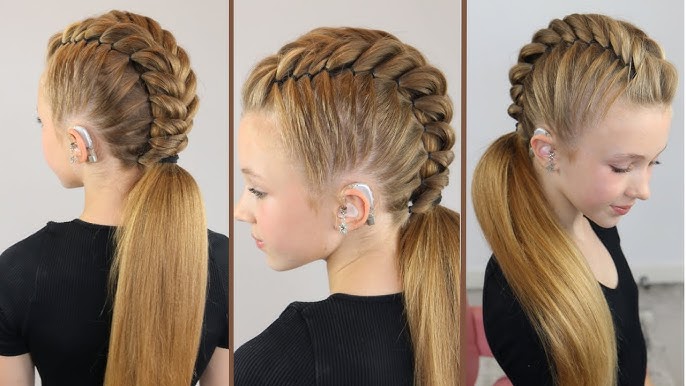
Viking women also placed immense value on their hair. Long, flowing hair was a sign of beauty and status. It was rarely left to hang loose but was instead styled into complex and beautiful braids and knots. Elaborate styles, sometimes involving multiple braids woven together and coiled at the nape of the neck or on top of the head, demonstrated a woman’s skill and station. This tradition is alive and well today in the popularity of intricate braiding styles. From the classic fishtail to the more complex four-strand or crown braids, these styles directly echo the artistry of Viking women. Adding small metal rings or ribbons into the braids can further enhance this ancient look, making it perfect for both special occasions and everyday flair.

 vikings


