
From the fjords to the catwalk: the core elements of Viking fashion reimagined
Long before the term ‘fashion’ ever existed, the Norse people crafted garments born from necessity, shaped by the harsh northern climate, and imbued with a raw, functional beauty. Today, the core elements of this legendary Viking attire are being powerfully reimagined on runways, in street style, and by artisan creators. The modern fascination with the Viking aesthetic is not merely about costume; it’s a return to authenticity, durability, and a deep connection with the natural world. It’s about wearing a story, not just a piece of clothing.
The power of natural materials
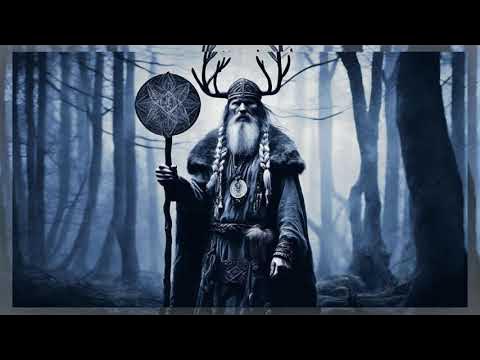
The foundation of Viking clothing was what the land provided. Wool, linen, leather, and fur were the essential threads of their existence, and these materials are once again at the forefront of conscious, high-quality design. Coarse, heavy wool, known as ‘vaðmál,’ was a staple, providing unparalleled warmth and water resistance. In modern design, we see this influence in the resurgence of thick, woolen overcoats, chunky-knit sweaters, and durable felted accessories. Designers are moving away from synthetic, disposable materials and embracing the longevity and rugged texture of wool. It speaks of resilience, of a garment made to endure sagas of its own.
Similarly, linen, crafted from the flax plant, was the primary fabric for undergarments and tunics due to its breathability and comfort. Today, the wrinkled, organic feel of linen has become a symbol of relaxed sophistication. Its imperfections tell a story of natural origins, a stark contrast to the flawless, mass-produced fabrics that dominate fast fashion. Leather, of course, was indispensable for belts, shoes, bags, and armor. The modern Viking aesthetic celebrates leather in its most honest form: thick, full-grain, and developing a rich patina over time. It’s about appreciating the hide, the strength, and the protective quality that our ancestors relied upon. These materials connect us to the earth, reminding us of a time when clothing was a shield against the elements, not just a fleeting trend.
Silhouettes forged in functionality
Viking clothing was engineered for movement and practicality. The simple T-shaped tunic (kyrtill), worn by both men and women, offered unrestricted mobility for work, travel, and combat. This fundamental silhouette is echoed in modern minimalist and oversized trends. The clean lines of a longline tunic or a simple, straight-cut dress draw directly from this Norse heritage. Layering was also key to survival. A linen undertunic, a woolen overtunic, and a heavy cloak fastened with a brooch was a standard configuration. This concept of practical, functional layering is a cornerstone of contemporary Scandinavian style and outdoor apparel. We see it in the way modern adventurers and city dwellers alike combine base layers, mid-layers, and protective outer shells. The iconic Viking cloak, a simple rectangle or semi-circle of heavy wool, has inspired the modern poncho, the dramatic wrap coat, and the functional, hooded outerwear that prizes warmth and coverage above all else. These are not restrictive, complicated garments; they are liberating pieces that grant the wearer freedom and strength, a principle as relevant today as it was a thousand years ago.
More than metal: the symbolism and craftsmanship in modern Norse accessories
While the garments formed the foundation, it was the accessories and jewelry that truly expressed a Viking’s identity, status, and beliefs. These were not mere decorations; they were powerful amulets, symbols of allegiance, and tangible stores of wealth. The modern revival of the Viking aesthetic has brought these intricate and meaningful adornments back into the light, with artisans and wearers alike drawn to their powerful symbolism and timeless craftsmanship.
Carving meaning: the resurgence of Norse symbolism
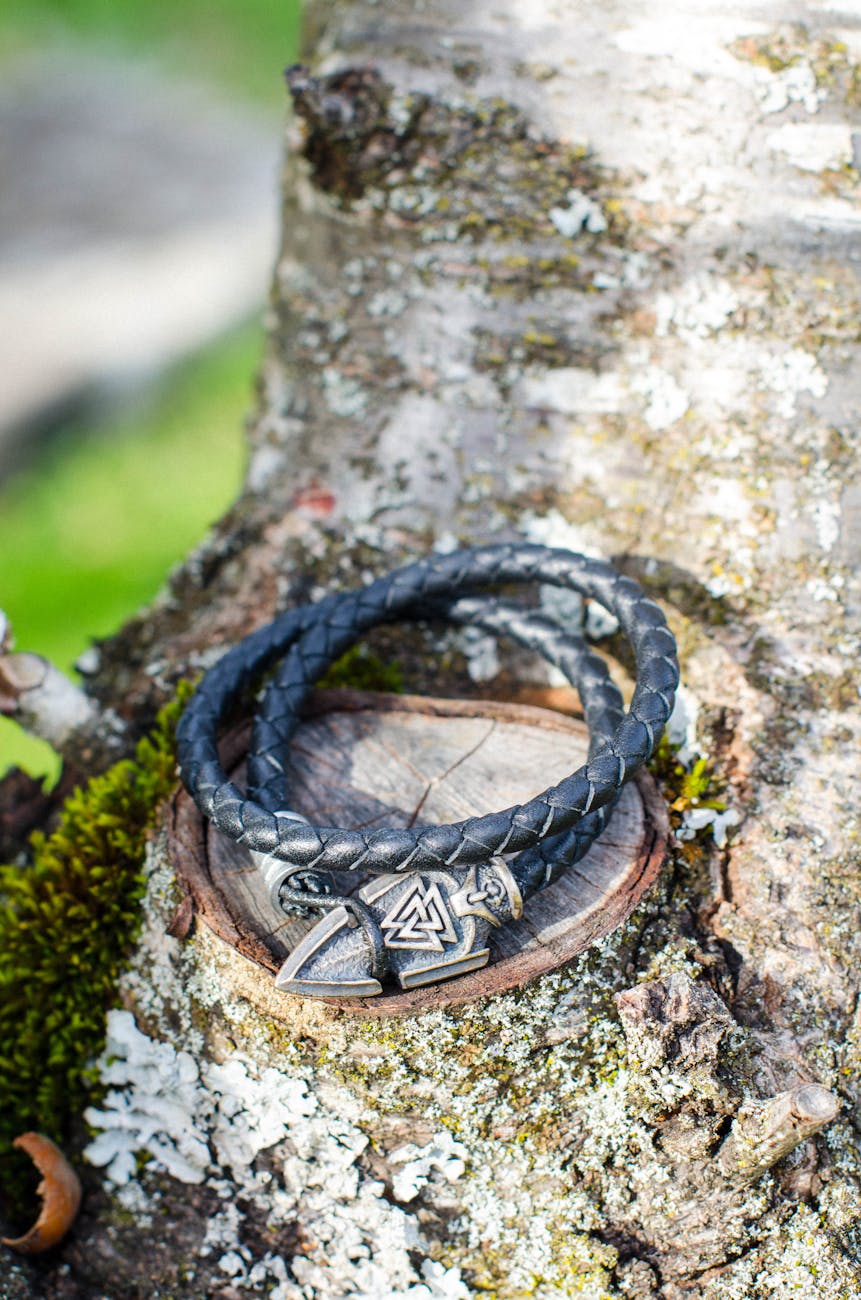
In a world saturated with generic logos and meaningless trinkets, the profound symbolism of Norse mythology offers a powerful alternative. Runes, the letters of the ancient Germanic alphabets, were believed to hold magical properties, and they are now a common motif in modern jewelry, tattoos, and design. Each rune carries a specific meaning—strength, protection, journey, joy—allowing individuals to wear their intentions. The most potent symbols, however, are those tied directly to the gods and legends. Mjölnir, the hammer of Thor, has become a globally recognized emblem of strength, protection, and defiance. Worn as a pendant, it is a declaration of inner fortitude. The Valknut, a symbol of three interlocking triangles associated with Odin and the slain warriors in Valhalla, speaks of sacrifice, destiny, and the connection between life and death. Other symbols, like the Helm of Awe (Ægishjálmur) for invincibility or the Norse compass (Vegvísir) for guidance, are being embraced by those seeking a deeper connection to their heritage or a powerful personal totem. These are not just patterns; they are fragments of an epic worldview, and their resurgence reflects a collective yearning for meaning and purpose in our adornments.
The artisan’s touch
The Viking Age was a time of incredible craftsmanship. Blacksmiths forged intricate patterns into sword hilts, and woodcarvers adorned longships with terrifying dragon heads. This dedication to handcrafted quality is a central pillar of the modern Viking aesthetic. There is a growing movement of artisans who are reviving ancient techniques—hand-forging metals, carving bone and wood, and tooling leather with meticulous care. This stands in stark opposition to mass-produced, cast-metal jewelry. A hand-forged Mjölnir pendant, bearing the subtle marks of the hammer, has a weight and spirit that a factory-made piece can never replicate. Twisted arm rings, hand-stitched leather bracers, and intricately carved drinking horns all carry the soul of their maker. This revival is about more than just appearance; it’s about valuing the skill, time, and spirit invested in an object, creating a personal connection between the creator, the object, and the wearer. It’s a return to owning fewer, more meaningful possessions that are built to last a lifetime, just as a Viking’s arm ring would accompany them from their first raid to their funeral pyre.
The Viking spirit in the modern home and lifestyle
The echoes of the North extend far beyond what we wear. The Viking aesthetic is fundamentally a lifestyle philosophy rooted in strength, self-sufficiency, and a profound respect for nature. This spirit is now shaping our homes, our hobbies, and even our personal grooming, creating a holistic expression of a modern northern soul. It’s about building a life, not just curating a look, that reflects the core values of our fierce ancestors.
Building a longhouse: echoes in interior design
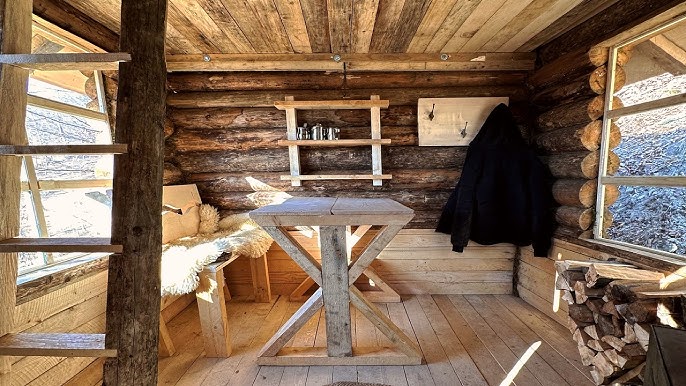
While often confused with its more polished descendant, Scandinavian design, the Viking interior aesthetic is far more rustic, raw, and elemental. It is the design of the longhouse, not the minimalist city apartment. The central element is a celebration of natural materials in their most honest state. Think of heavy, rough-hewn wooden tables, stone hearths, and the use of animal hides—like sheepskin or reindeer throws (real or faux)—to add warmth and texture. The color palette is drawn from the earth: deep charcoals, mossy greens, stony grays, and the warm tones of wood and firelight. Functionality remains paramount. Furniture is solid, built to last for generations, and every object has a purpose. This is the antithesis of delicate, disposable decor. It’s about creating a sanctuary that feels safe, warm, and deeply connected to the wild landscape outside. The modern interpretation might include elements like live-edge wood shelving, forged iron light fixtures, and handcrafted pottery, all of which prioritize texture and authenticity over sleek perfection. It is a space that invites you to gather around a fire, share a horn of mead, and tell stories—a true modern mead hall.
A philosophy of strength and resilience
Ultimately, the most enduring aspect of the Viking aesthetic is the philosophy it represents. It’s an embrace of resilience in the face of hardship. It’s about finding beauty in imperfection and strength in simplicity. This mindset is manifesting in a renewed interest in heritage skills like woodworking, blacksmithing, and even archery. It’s seen in the fitness world, with a focus on functional strength training—lifting heavy, unconventional objects like stones and logs—over purely aesthetic goals. The legendary Viking beard, once a niche style, has become a mainstream symbol of rugged masculinity and patience. It’s more than a fashion choice; for many, it’s a connection to an ancestral ideal of manhood. This lifestyle is about being a producer, not just a consumer. It’s about having the capacity to protect your family, provide for your community, and face challenges head-on. In a world that often feels chaotic and disconnected, the Viking spirit offers a grounding anchor—a call to be strong, to be capable, and to live a life of purpose and honor, guided by the echoes of the great Northern heroes.
The rise of the Viking aesthetic is far more than a passing trend fueled by popular media. It is a deep, resonant call back to something essential within us—a desire for authenticity, for connection to nature, for craftsmanship that lasts, and for a life imbued with meaning and strength. From the woolen cloak that shields us from the storm to the symbolic pendant worn close to the heart, and the very construction of the homes that shelter us, the spirit of the North is not just surviving; it is thriving. It reminds us that the fiercest and most beautiful designs are often those born not from whimsy, but from the unyielding demands of life itself. The saga continues, written in every thread, every carving, and every choice to live with courage and purpose.

 vikings


