
The heart of the beast: choosing the right timber
Before the first axe falls, the journey of a longship begins not in a workshop, but deep within the ancient forests of the North. The soul of a Viking vessel is its wood, and the Norse shipwrights were masters of forestry and timber selection. To build a true replica is to walk in their footsteps, to learn the language of the trees, and to choose the heartwood that will carry you across the waves. The longship was not merely constructed; it was coaxed from the very sinews of the earth.

The undisputed king of the Norse forest was the mighty oak. Its dense, durable, and rot-resistant timber was the only choice for the most crucial part of the ship: the keel. The keel is the backbone, the foundation upon which the entire structure rests. Viking builders would often search for a single, massive oak with a natural curve in its trunk or a large branch that could be hewn into the keel and stem posts in one continuous piece. This method, following the grain of the wood, provided immense natural strength that a sawn, jointed piece of modern timber could never replicate. This respect for the material’s inherent properties is a core tenet of Viking craftsmanship, visible in everything from their carved jewelry to their leatherwork.
For the long, overlapping planks of the hull—the strakes—oak was also the preferred material. Shipwrights didn’t just cut logs into planks with saws. Instead, they cleaved fresh, green logs radially using wedges and mallets. This process, while incredibly labor-intensive, splits the wood along its natural grain, resulting in planks that are far stronger and more flexible than modern sawn boards. These green-hewn planks could be shaped and bent over steam or fire, allowing them to form the iconic, sweeping curves of the longship’s hull. This flexibility was the ship’s greatest defense, allowing it to twist and ride with the waves of the brutal North Sea rather than rigidly fighting against them and breaking apart.
While oak formed the skeleton and skin, other woods played vital roles. Tall, straight-grained pine or fir was sought for the mast, prized for its combination of height, strength, and relative lightness. Ash, known for its shock resistance and springiness, was often used for the oars that would propel the ship when the winds were still. Even the humble tree root had its place. Naturally curved L-shaped pieces of wood, known as ‘krumholt’ or knees, were harvested from the joints between tree trunks and roots. These were used as internal ribs and braces, their natural shape providing structural integrity without the weakness of a carved joint. Choosing the timber is the first, and perhaps most important, step. It’s an intimate process of understanding the forest and honoring the materials that will, with fire, iron, and sweat, become a living, breathing serpent of the sea.
Shaping the serpent: the art of clinker construction
With the timber chosen and expertly prepared, the monumental task of shaping the hull begins. Here, the genius of Norse engineering is revealed in their signature shipbuilding technique: clinker, or lapstrake, construction. This method is what gives the longship its distinctive, ribbed appearance and its legendary seaworthiness. It is a dance of precision, strength, and an almost intuitive understanding of woodworking, performed not with power tools, but with the raw strength of a craftsman’s arms and the keen edge of an axe.
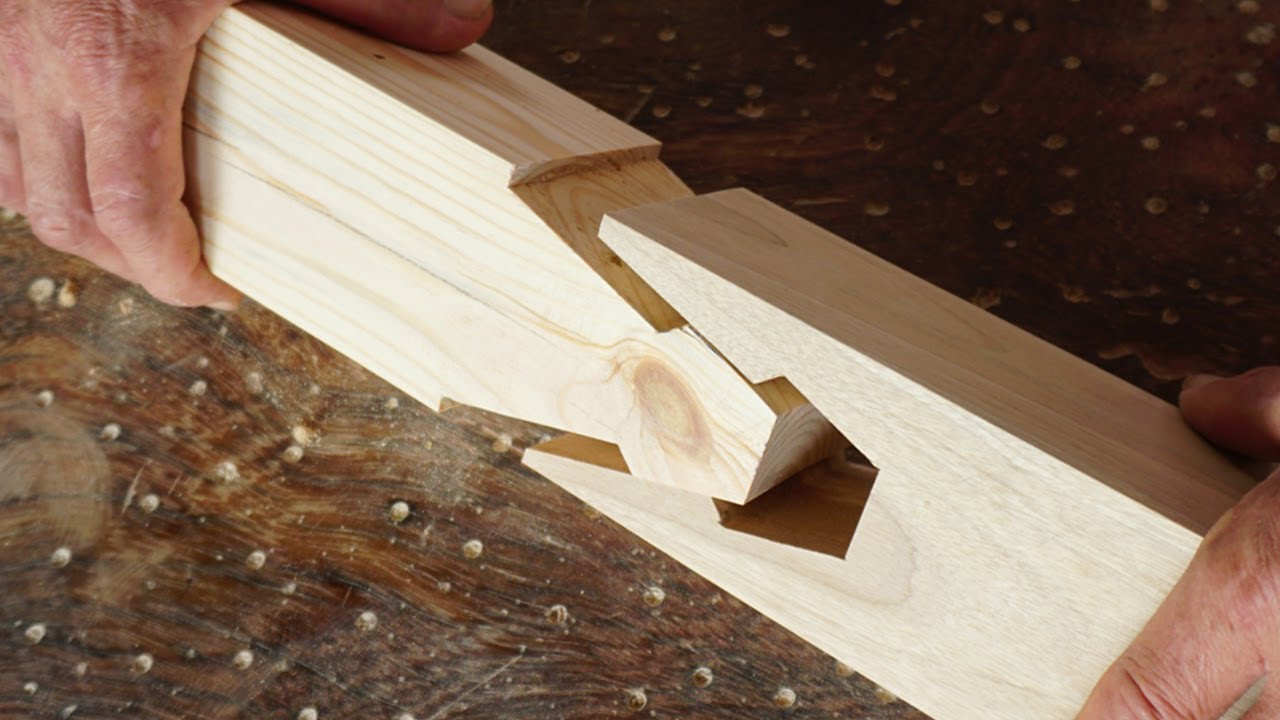
The process starts with laying the keel. This single piece of oak is the ship’s soul, set upon blocks in the open air or in a rudimentary shelter. From here, the two lowest planks, the garboard strakes, are attached to either side of the keel. Each subsequent strake is laid to overlap the one below it by a few inches, creating the ‘lap’ in lapstrake. This is where the real artistry begins. Each plank must be meticulously shaped with an adze and axe to fit snugly against its neighbor, following the predetermined curve of the hull. The shipwrights worked by eye, using simple measuring tools and time-honored knowledge passed down through generations to achieve the perfect, hydrodynamic shape.
The overlapping planks were not held together with glue, but with iron. This was a technological marvel of the Viking Age. Craftsmen would drill holes through both overlapping planks and drive a soft iron rivet through from the outside. On the inside, a square- or diamond-shaped washer, called a rove, was placed over the rivet’s end. While one smith held a heavy hammer against the rivet head on the outside of the hull, another on the inside would hammer the end of the rivet over the rove, clenching it tight. This created a powerful, permanent fastening that was also flexible. The thousands of iron rivets in a longship’s hull acted like resilient joints, allowing the entire structure to flex and absorb the shock of pounding waves.
To make the vessel watertight, the seams between the strakes were caulked. This wasn’t done with modern silicone, but with a mixture of tar and animal hair, typically wool. The wool fibers would be twisted into a cord, soaked in sticky pine tar, and then hammered firmly into the gaps between the planks. When the wood got wet and swelled, it would press against the tarred wool, creating a remarkably effective waterproof seal. This use of wool, a staple of Viking apparel, highlights the interconnectedness of their crafts. The same material that kept a warrior warm in a blizzard also kept his ship afloat in a storm. As the hull rises, plank by plank, held by iron and sealed with wool, the shape of the sea serpent emerges from the wood chips and shavings—a testament to a building method that balanced brute strength with elegant design.
From hull to high seas: rigging the sails and carving the details
Once the hull is complete—a magnificent wooden shell held fast by a thousand rivets—the ship is still just a body without a soul. It is the mast, the sail, and the intricate carvings that transform it from a mere boat into a fearsome drakkar, a true vessel of the North. This final stage is about harnessing the power of the wind and instilling the ship with the spirit and identity of its crew.
The mast, a towering pillar of pine, is stepped into a massive block of oak seated over the keel, known as the ‘kerling’ or ‘old woman’. This block distributed the immense forces from the mast and sail across the ship’s strongest point. Raising the mast was a significant event, requiring the combined effort of many hands. It was held in place with a complex system of rigging made from walrus hide or horsehair ropes, materials chosen for their strength and resistance to saltwater. The single, massive square sail was the engine of the longship. Historians and replica builders have found that these sails were not made of canvas or linen, but of heavy, densely woven wool. A large sail could require the wool from over 200 sheep and thousands of hours of labor on a warp-weighted loom. This wool was rich in lanolin, a natural water repellent, and was likely treated further with animal fats or tallow to improve its performance and longevity. The connection to Viking apparel is undeniable; the same expertise used to weave a warm cloak was scaled up to create the powerful engine of exploration and conquest.
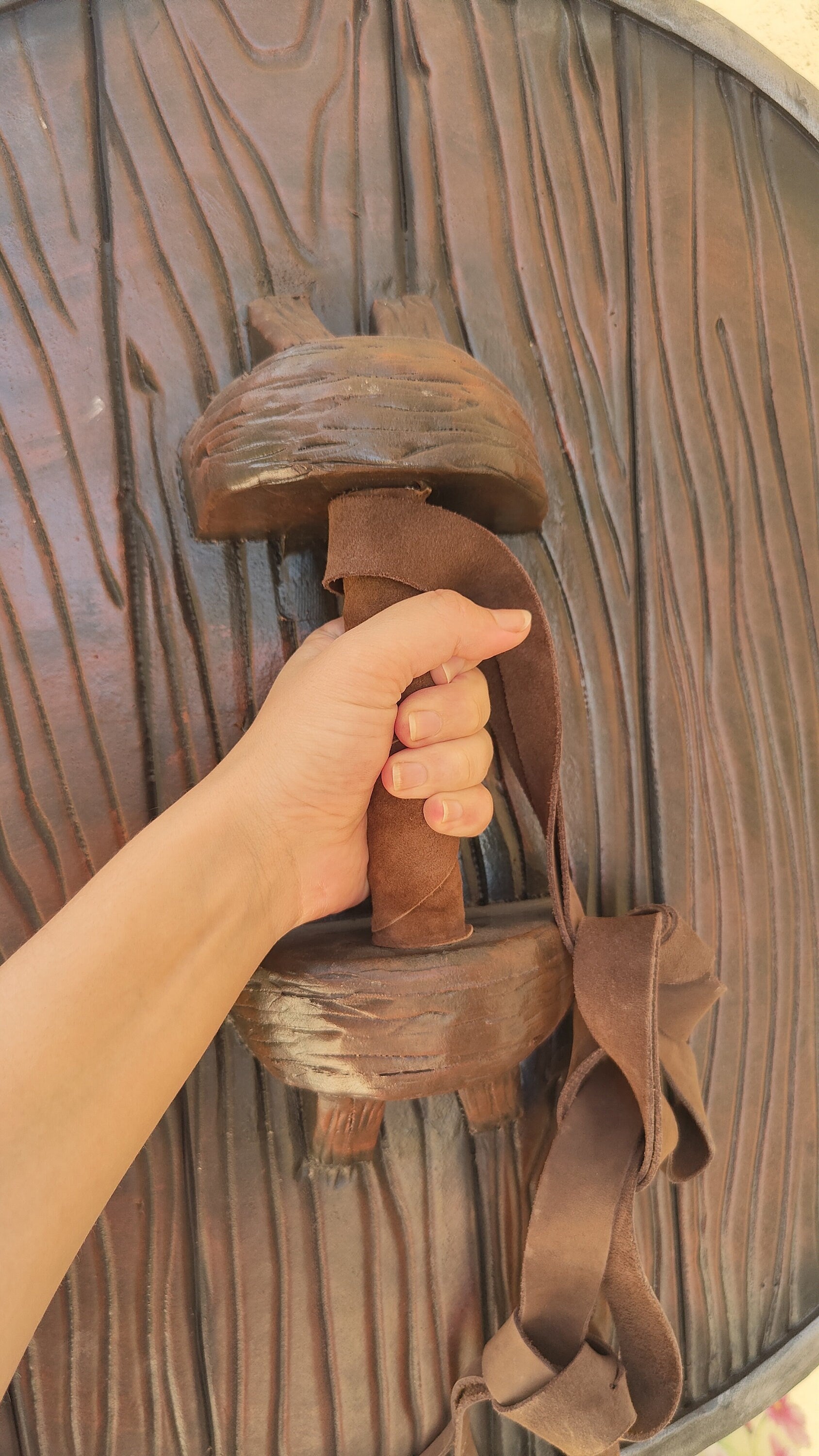
Steering was not accomplished with a modern, central rudder, but with a large, specialized oar called a ‘stjórnborði’ (steering board), which was mounted on the right side of the stern. This is the origin of the nautical term ‘starboard’. The steersman required incredible skill and strength to control the massive ship with this single oar, reading the wind and waves to guide the vessel. The final, and perhaps most iconic, element was the carving of the prow. Not all ships had the terrifying dragon or serpent heads we often imagine—these were typically reserved for warships belonging to powerful chieftains. These figureheads were designed to intimidate enemies and ward off evil sea spirits. They were carved with masterful skill, often from a single piece of wood, and were frequently removable so as not to frighten the friendly ‘landvættir’ (land spirits) when returning home. The stern might feature a carved, curling tail, completing the image of a great beast gliding through the water. Shields would be hung along the gunwales, adding a flash of color and providing extra protection, turning the ship into a floating fortress. It is in these final details—the wool in the sail, the art in the carving, the skill in the rigging—that the longship truly comes alive, ready to carry its crew towards legend.

 vikings


