
Whispers of the gods: the meaning and power behind the runes
In the heart of the North, where the wind bites and the seas churn, communication was more than mere words. It was power, magic, and destiny etched into the very fabric of life. For the Norse people, runes were not simply an alphabet; they were cosmic secrets gifted to mortals, whispers from the gods themselves. To understand the art of handcrafting these symbols is to look into the soul of the Viking warrior, to see how they armed themselves not just with steel, but with faith, fear, and fate.

The origins of the runes are steeped in myth and sacrifice. The Hávamál, a collection of Old Norse poems from the Viking Age, tells the story of Odin, the Allfather, who hung himself from Yggdrasil, the World Tree, for nine nights. Wounded by his own spear, he sacrificed himself to himself, peering into the abyss to seize the knowledge of the runes. This act of profound suffering and enlightenment elevated the runes from simple characters to sacred instruments of magic and divination. Each symbol held a phonetic sound, but also a deep, esoteric meaning, a concept that a craftsman would channel when carving it into a piece of attire or a weapon’s hilt.
The most common runic alphabet during the early Viking Age was the Elder Futhark, a potent system of 24 symbols. When a Viking carved Fehu (ᚠ), the rune of cattle, they weren’t just writing ‘f’; they were invoking wealth, prosperity, and abundance. Etching Algiz (ᛉ) onto a shield or leather bracer was a plea for divine protection, a ward against a striking axe or a wayward arrow. These symbols were an active part of a warrior’s gear. A simple leather pouch was not just for carrying coins; if it bore the Raidho (ᚱ) rune, it became a talisman for safe travels on a treacherous journey. A cloak clasp inscribed with Ansuz (ᚨ) connected the wearer to the wisdom and divine authority of Odin.
This practice transformed everyday garments and armor into extensions of a Viking’s will. The act of choosing a rune was a declaration of intent. A warrior preparing for a raid might choose Uruz (ᚢ) for raw physical strength or Tiwaz (ᛏ) to honor the god of war, Tyr, and invoke victory in battle. These weren’t idle decorations; they were charges of energy, prayers made tangible, and a constant reminder of the forces that governed their world. The threads of their tunics, the leather of their belts, and the wood of their amulets became canvases for these powerful, ancient whispers.
From forest and beast: choosing a vessel for ancient magic
The power of a handcrafted rune or symbol was not just in its shape, but in the lifeblood of the material from which it was born. A Viking artisan understood that the medium was part of the message. The choice of wood, bone, or metal was a deliberate one, each believed to hold its own spirit and lend its unique properties to the magic being woven. This deep connection to the natural world is central to understanding the craftsmanship of Norse symbols on their attire and personal effects.
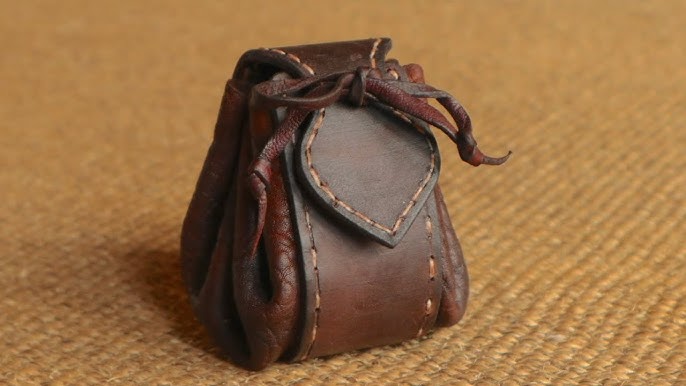
Wood was the most common and accessible material, a direct gift from the sacred groves. Trees like ash, yew, and oak were particularly revered. Ash was linked to Yggdrasil itself, making it a powerful conduit for cosmic energy and wisdom. Yew, with its longevity and poisonous needles, was associated with both life and death, a fitting choice for runes of protection or divination. An artisan would carefully select a branch, feeling the grain and spirit of the wood before making the first cut. The straight, angular lines of the Futhark runes were perfectly suited for carving across the grain, a practical design born from a deep understanding of the material. Small wooden discs, or ‘rune chips’, could be carved, stained, and carried in a leather pouch for casting and divination, while larger pieces could be fashioned into pendants worn around the neck.
Bone and antler offered a more personal and durable medium. Sourced from hunted animals like deer or elk, these materials carried the essence and strength of the beast they came from. Carving a symbol of the hunt onto a piece of antler was a way to honor the animal’s spirit and ensure future success. Bone was used to craft everything from combs and needles to the handles of knives—all items that could be personalized with protective or lucky runes. When inscribed on a comb used to groom a warrior’s hair and beard—a source of pride and identity—the runes became an intimate part of their daily ritual and presentation.
For the wealthy or the skilled smith, metal was the ultimate vessel. Iron, the metal of war, was the perfect host for symbols of strength and victory on an axe head or sword pommel. Silver and bronze were used for intricate brooches that held heavy wool cloaks in place, often bearing symbols like Thor’s Hammer (Mjölnir) or swirling knotwork. These were not just functional pieces of attire; they were statements of status, faith, and identity. The very act of forging and engraving metal was a powerful alchemy, blending fire, earth, and human intent to create an object of enduring power.
The craftsman’s sacred act: techniques for bringing symbols to life
The creation of a runic object was a ritual in itself, a process where intent and skill merged. The Viking craftsman was not merely a decorator; they were a conduit for ancient forces, and their tools and techniques reflected the gravity of their work. With a simple knife, an awl, and a steady hand, they transformed a mundane object into a sacred artifact, forever altering its purpose and power.
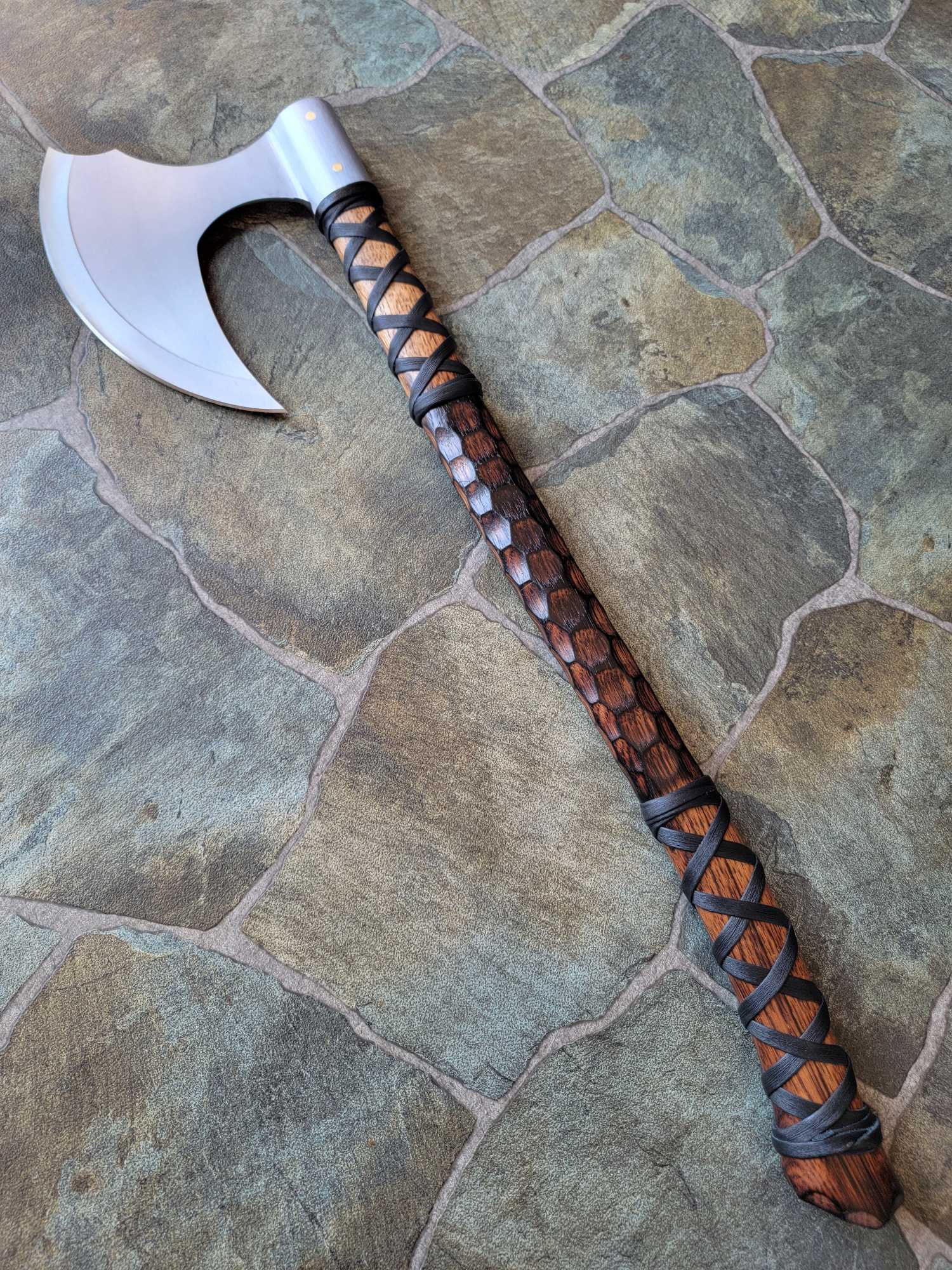
The primary technique was, of course, carving. With focused intent, the artisan would cut the stark, straight lines into wood or bone. There was a rhythm to this work, each stroke deliberate. The physical effort of incising the symbol was believed to imbue it with the creator’s energy. Once carved, the runes were often brought to life with color. This was not just for aesthetics; it was a magical activation. The most potent substance was blood, a practice known as ‘reddening the runes’. By marking the carving with their own blood, the creator formed a direct, living link to the symbol, feeding it with their life force. For less intense rituals, natural pigments like red ochre, charcoal, or plant-based dyes were used to make the symbols stand out and give them a vibrant, magical presence.
Beyond runes, other powerful symbols were frequently integrated into Viking attire using various techniques. The Helm of Awe (Ægishjálmur), a formidable stave of protection, might be stitched into the leather lining of a helmet or embroidered onto a tunic over the heart. Embroidery was a powerful and often overlooked craft, allowing symbols to be woven directly into the fabric of a garment, making the protection an inseparable part of the wearer. Similarly, the Valknut, the knot of the slain warriors chosen by Odin, was a common motif carved into wooden chests or stamped onto leatherwork, marking the item as belonging to one who lived by the warrior’s code and faced death without fear.
Leatherworking provided another canvas for these symbols. Using stamps and tooling techniques, artisans could press complex designs into belts, bracers, and pouches. A warrior’s belt, a critical piece of gear that held their sword and pouch, would almost certainly be adorned with symbols meant to grant strength and fortitude. Thor’s Hammer, Mjölnir, was perhaps the most popular symbol of all. Worn as a metal amulet, it was also stamped into leather and carved into wood, a universal sign of protection against evil and chaos. In every stitch, every cut, and every hammer blow, the Viking craftsman was doing more than making an object. They were forging a connection between the physical world of their attire and the spiritual realm of their gods, ensuring that the spirit of the North was present in every thread and every etching.

 vikings


