
Unearthing the truth: did Vikings really have tattoos?
The image is seared into our collective consciousness: a hulking Norse warrior, muscles coiled and skin etched with intricate, dark blue symbols of gods and beasts. It’s a powerful vision, fueled by modern sagas on our screens. But as we strip back the layers of myth, we must ask a fundamental question: is this image rooted in reality? Did Vikings actually have tattoos?
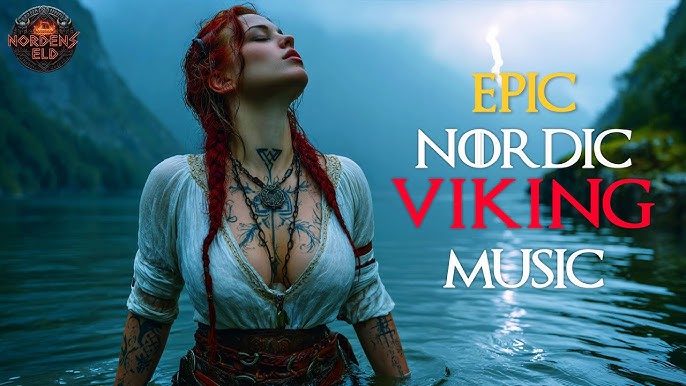
The answer, like much of Viking history, is a tantalizing blend of evidence and educated speculation. The most significant, and frequently cited, piece of direct evidence comes not from the North, but from the East. In the 10th century, an Arab diplomat named Ahmad ibn Fadlan journeyed along the Volga River and encountered a group of Norse traders he called the ‘Rusiyyah’. His detailed account provides a rare, albeit external, glimpse into their world.
Ibn Fadlan was both fascinated and appalled by these Northmen. He described them as towering figures, “perfect physical specimens,” but also noted their “filthiest” habits. Crucially, he observed their bodies were covered in art. He wrote, “From the tips of his toes to his neck, each man is tattooed in dark green with figures, trees, and the like.” This single, vivid description is the cornerstone of the argument for historical Viking tattoos. He describes a people adorned from head to toe in symbolic imagery, not unlike the modern tattoo enthusiasts who draw inspiration from them.
However, beyond Ibn Fadlan’s account, the historical record falls quiet. Archaeological evidence is notoriously difficult to come by, as human skin rarely survives a thousand years in the unforgiving northern soil. Unlike the Scythian ‘ice mummies’ of the Pazyryk culture, whose frozen skin preserved their intricate tattoos for millennia, we have no such definitive Viking remains. This lack of physical proof has led some historians to remain skeptical.
Yet, the cultural context strongly supports the idea. Body marking was a common practice across many ancient cultures, from the Picts of Scotland to various Germanic tribes. It was a way to signify status, tribal affiliation, religious devotion, or to invoke spiritual protection. For a people as deeply symbolic and spiritually attuned as the Vikings, it seems almost certain they would have used their own skin as a canvas. They carved runes into stone, wood, and bone to harness magic and tell stories; why not onto their own bodies?
The materials they would have used were readily available. The “dark green” or “dark blue” color Ibn Fadlan described was likely created using soot or ash, mixed with a plant-based dye like woad, and pricked into the skin with a sharpened bone or needle. The process would have been painful and deliberate—a rite of passage and a permanent declaration of one’s identity and beliefs. So, while we may lack a perfectly preserved Viking warrior in a museum, the combination of a compelling eyewitness account and strong cultural precedent allows us to say with reasonable confidence that yes, the Vikings very likely adorned their skin with the powerful symbols of their world.
The language of the gods: decoding Viking tattoo symbolism
A Viking tattoo was never just decoration. Each line and curve was steeped in meaning, a visual language that spoke of faith, fate, and ferocious power. These symbols were talismans, etched into the skin to invoke the protection of the gods, to intimidate enemies in the chaos of a shield wall, or to navigate the treacherous paths of both the physical and spiritual worlds. To understand why these designs resonate so deeply today, we must first learn to read their ancient language.
The Valknut: the knot of the slain warrior

Perhaps one of the most recognizable yet enigmatic Norse symbols, the Valknut consists of three interlocked triangles. Its name is a modern invention, meaning “knot of the slain,” and it is inextricably linked with the Allfather, Odin. Found on memorial stones and artifacts associated with battle and death, the Valknut is believed to represent the transition between life and death and the power of Odin to bind and unbind the fates of men. For a warrior, a Valknut tattoo was a solemn pact. It signified a dedication to Odin, an acceptance of a warrior’s fate, and the hope of being chosen by the Valkyries to feast in the great halls of Valhalla. It is a symbol of ultimate sacrifice, courage in the face of mortality, and unwavering loyalty.
Aegishjalmur: the helm of awe and terror
This powerful symbol, composed of eight armed staves radiating from a central point, is a sigil of overwhelming power and protection. Mentioned in the sagas, the Helm of Awe (or Aegishjalmur) was said to grant the wearer invincibility and to strike fear into the hearts of their enemies. The hero Sigurd paints it on himself before battling the dragon Fafnir. As a tattoo, it was a piece of spiritual armor. It was a warrior’s glare made manifest, a magical sigil intended to paralyze foes with terror before a single sword was swung. It represents dominance, protection, and the psychological power to conquer your fears and your opponents.
Vegvisir: the unbreakable compass
While the Vegvisir, or Norse compass, is one of the most popular modern “Viking” tattoos, it’s important to note its historical context. This symbol—another eight-armed stave—is actually recorded in Icelandic grimoires from the 19th century, long after the Viking Age ended. The Huld Manuscript states, “If this sign is carried, one will never lose one’s way in storms or bad weather, even when the way is not known.” Despite its later origins, it has been wholeheartedly adopted into the modern Viking ethos because its meaning is so universal. It symbolizes guidance and the promise of finding your way through life’s storms, both literal and metaphorical. For many today, it represents a connection to the Viking spirit of exploration and resilience in the face of the unknown.
Huginn and Muninn: the ravens of thought and memory
Odin was often called the ‘Raven God,’ and his two loyal companions, Huginn (Thought) and Muninn (Memory), were his eyes and ears across the Nine Realms. They flew out at dawn to survey the world and returned at dusk to whisper their news into Odin’s ear. As tattoos, these twin ravens represent a thirst for knowledge, wisdom, and intellectual insight. They are a link to the divine consciousness of the Allfather and a reminder of the powerful interplay between our thoughts and our memories in shaping who we are. They symbolize intelligence, foresight, and the endless pursuit of truth.
Yggdrasil and the web of Wyrd
At the center of Norse cosmology stands Yggdrasil, the mighty World Tree, whose branches and roots connect all of the Nine Realms. It is the ultimate symbol of life, interconnectedness, and the cyclical nature of creation and destruction. A tattoo of Yggdrasil signifies a deep understanding of one’s place in the universe and a connection to all things. Often intertwined with it is the Web of Wyrd (Skuld’s Net), a runic symbol representing the inescapable tapestry of fate woven by the Norns. Together, they embody a profound philosophy: while our fates may be woven by forces beyond our control, we are still part of a great, cosmic tree of life, and our actions have meaning within that grand design.
Forged in modern ink: the enduring legacy of Viking tattoos
The Viking Age may have ended a millennium ago, but the spirit of the Northmen is more alive than ever, and nowhere is this more evident than in the world of modern tattooing. The resurgence of these ancient symbols is not just a fleeting trend; it’s a powerful movement of people seeking to connect with the raw, unyielding principles that defined the Viking ethos. So, why do these designs continue to inspire such fearless and devoted followers today?
The primary reason is the potent symbolism. In a world that can often feel chaotic and meaningless, Norse symbols offer a clear and powerful code of conduct. A man getting a tattoo of the wolf Fenrir isn’t just getting an image of a beast; he’s embracing the idea of untamable strength and the primal forces of nature. A woman choosing the Helm of Awe is not just decorating her skin; she is arming herself with a symbol of protection and inner strength to face her own modern-day battles—be they in the boardroom, the gym, or within her own mind. These tattoos are a form of modern armor, a way to wear your values and your resolve on your skin.
Furthermore, this revival is deeply tied to a search for identity and heritage. For people of Scandinavian or Northern European descent, these tattoos are a way to reclaim a connection to their ancestors. It’s a proud declaration of roots, a way to honor the resilience, craftsmanship, and adventurous spirit of the people who came before them. This connection goes beyond simple ancestry; it taps into a shared cultural memory, amplified by epic television shows like *Vikings* and *The Last Kingdom*, and immersive video games that bring the Norse world to life for a new generation.
Finally, there is the undeniable aesthetic appeal. The artistic styles of the Viking Age—from the intricate knotwork of the Borre style to the gripping beasts of the Urnes style—are visually stunning. They are complex yet primal, balanced yet full of ferocious energy. Tattoo artists today have embraced these styles, merging historical accuracy with modern techniques to create breathtaking pieces of body art. The bold, black lines and intricate patterns are perfectly suited for the medium of ink on skin, creating designs that are both beautiful and intimidating.
Ultimately, a Viking tattoo in the 21st century is a declaration. It’s a statement that you value strength, courage, and wisdom. It’s a commitment to navigate your own path, guided by the memory of those who braved the seas and stared down fate itself. It is more than just ink; it is a spark of the old North, forged anew in the skin of modern-day warriors, a timeless reminder to live fearlessly.

 vikings


