
The soul of the north: understanding the Elder Futhark
The echoes of the old gods and the clash of steel are not just tales from the past; they are a living spirit, a current that runs deep within the heart of Norse culture. This spirit is most potently captured in the ancient symbols that adorned the lives of Vikings—the runes. These were not merely letters in an alphabet; they were vessels of power, keys to understanding fate, and tools for invoking the very forces of nature. To understand the art of handcrafting these symbols is to connect with the fierce soul of the North itself.
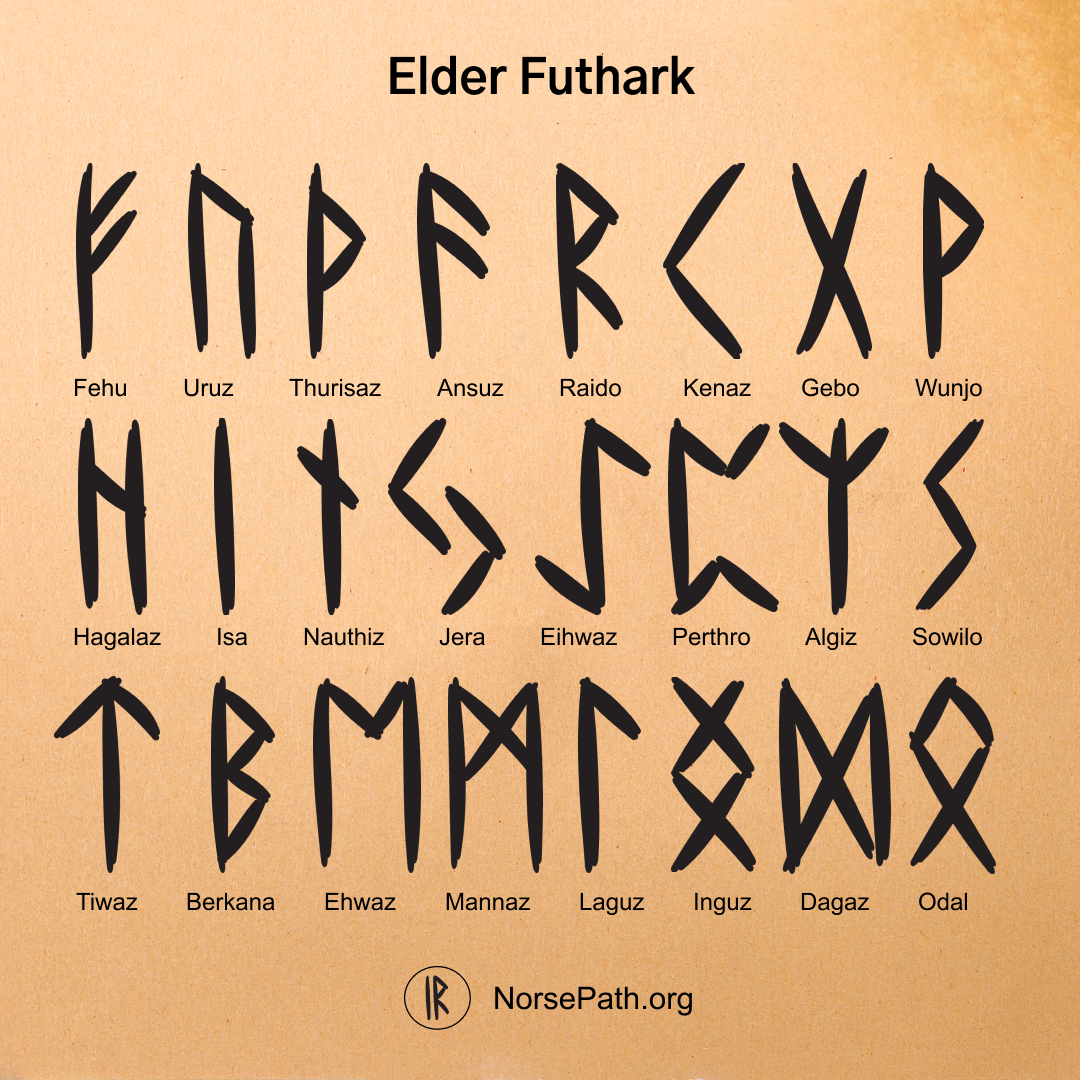
At the core of this mystical tradition lies the Elder Futhark, the oldest of the runic alphabets, used by Germanic tribes, including the Norsemen, from the 2nd to the 8th centuries. Comprising 24 characters, each rune possessed a name, a phonetic sound, and a deep, layered meaning. They were carved into runestones to honor the dead, etched onto swords to grant victory, and worn as amulets for protection and prosperity. The act of carving a rune, or ‘rísta’, was a sacred craft, believed to imbue the object with the rune’s inherent power.
Let’s delve into the essence of a few pivotal runes from the Elder Futhark:
- Fehu (ᚠ): The rune of wealth and cattle. In a society where livestock was the measure of a person’s fortune, Fehu represented material prosperity, abundance, and success. Crafting this rune onto a coin pouch or the inside of a merchant’s chest was a plea for good fortune.
- Uruz (ᚢ): The raw, untamed power of the aurochs. This rune symbolizes primal strength, endurance, health, and courage. A warrior might carve Uruz into their shield or the hilt of their axe, seeking the untiring ferocity of this mighty beast in the heat of battle.
- Thurisaz (ᚦ): The thorn, or the hammer of Thor. Thurisaz is a rune of raw power, both destructive and protective. It represents a directed force, capable of defending against chaos or smashing through obstacles. It’s a symbol of conflict and the will to overcome it.
- Ansuz (ᚫ): The rune of the Æsir, particularly Odin. It represents divinity, communication, wisdom, and inspiration. A skald might wear an Ansuz amulet to seek divine inspiration for their poetry, while a leader would invoke its power for wise counsel.
- Algiz (ᛉ): The elk, a symbol of protection and defense. The shape of the rune is often seen as a protective hand or the branching antlers of an elk. It was a powerful ward against evil, carved above doorways and worn as a personal shield against harm.
Understanding these meanings is the first step in the craft. When a modern artisan chooses a rune to place on a piece of apparel or an accessory, they are not just picking a design. They are selecting an intent, weaving a piece of ancient magic into the fabric of the modern world. This is why handcrafted Norse gear feels so personal and powerful—it carries a story and a purpose far older than itself.
From wood and bone to leather and steel: traditional materials in rune crafting
The magic of the runes was intrinsically tied to the materials upon which they were carved. The Norse were masters of their environment, using the gifts of the natural world to create everything from their longships to their personal talismans. The choice of material was never arbitrary; it was part of the ritual, adding its own voice to the power of the rune.

Historically, wood was the most common canvas. The ‘Poetic Edda’ speaks of runes being cut from various trees, with yew and ash holding particular significance due to their connections to Yggdrasil, the World Tree. A simple piece of driftwood, a fallen branch, or a carefully shaped wooden disc could become a powerful focus of energy once the runes were carved into its surface. Bone and antler were also favored, especially for smaller, more personal items like combs, pendants, or the handles of tools. These materials, taken from the animal world, carried with them the life force and spirit of the creature they came from.
Today, artisans who honor the old ways continue to use these organic materials, but they have also adapted the craft to more durable mediums that suit modern Viking apparel and accessories. This is where the true art form blossoms:
- Leatherwork: There is nothing quite like the feel of a handcrafted leather bracer, belt, or pouch, adorned with meticulously tooled runes. The process is one of patience and strength. The artisan first cases the leather, dampening it to make it pliable. Then, using specialized tools, they carefully press, cut, and carve the chosen runes or symbols into the surface. Each line must be deliberate. Once the design is complete, dyes and finishes are applied, not only to protect the leather but to highlight the depth and detail of the carving. A belt bearing the Jera rune for a good harvest or a bracer with the Tiwaz rune for victory becomes a second skin, a piece of wearable intent.
- Metalwork: The unyielding nature of metal—steel, silver, bronze, and pewter—makes it the perfect medium for symbols of eternal strength and protection. Modern craftspeople use a variety of techniques. Engraving involves carefully cutting the design into the metal’s surface, a skill requiring immense precision. Stamping uses hardened steel punches to impress the rune into the metal, creating a deep and lasting mark. This is often seen on Mjolnir pendants, rings, and the metal fittings of armor. The cold, permanent nature of a rune etched in steel is a powerful statement of unshakeable will.
- Wood and Bone Carving: The oldest traditions are still very much alive. Craftsmen carve intricate beard beads from bone, each one a tiny canvas for a single, potent rune. Pendants are whittled from ash or oak, their surfaces smoothed and then carefully incised with ancient symbols before being stained with natural pigments, sometimes even a touch of blood, as the sagas describe, to awaken their power.
Each material demands a different touch, a different set of skills, but the spirit behind the act remains the same. It is a slow, deliberate process of transforming a raw material into an object of power and meaning, a direct link to the hands of our ancestors.
More than just letters: crafting iconic Norse symbols
While the Elder Futhark forms the linguistic and magical foundation, the visual legacy of the Norse is also rich with powerful, standalone symbols. These complex icons were not part of the runic alphabet but were potent sigils in their own right, composite symbols believed to hold immense power. They are some of the most sought-after designs in modern Norse craftsmanship, each carrying a heavy weight of mythology and purpose.
These symbols often appear more complex than single runes, featuring interwoven lines and symmetrical patterns that speak to the Norse understanding of a complex and interconnected cosmos. Here are three of the most significant:
- The Vegvisir (The Runic Compass): Arguably one of the most recognized Norse-inspired symbols today, the Vegvisir is a stave meant to guide the bearer through rough weather. Its name translates to ‘way-finder’ or ‘signpost’. The Huld Manuscript, an Icelandic grimoire from the 19th century, states, “If this sign is carried, one will never lose one’s way in storms or bad weather, even when the way is not known.” Though its historical origins are post-Viking age, it has been wholeheartedly adopted into the modern Viking ethos. Craftsmen embroider this eight-spoked stave onto the back of cloaks, tool it onto the cover of journals, and forge it into silver pendants. To wear the Vegvisir is to carry a symbol of guidance and protection, a spiritual compass for navigating the turbulent storms of life.
- The Aegishjalmur (The Helm of Awe): Another powerful Icelandic magical stave, the Helm of Awe is a symbol of protection and victory. It is mentioned in the Poetic Edda when the dragon Fafnir claims it as the source of his invincibility. It was said to be worn or drawn on the forehead between the eyes to strike fear into the hearts of one’s enemies and to grant invincibility in battle. Its eight arms, bristling with tines, radiate from a central point, creating an intimidating and mesmerizing pattern. In modern crafting, the Aegishjalmur is a favorite for warriors and those seeking to project strength. It is stamped onto steel armor, carved into the face of a round shield, or tattooed onto the skin as a permanent mark of spiritual defense.
- The Valknut (Knot of the Slain): This enigmatic symbol, consisting of three interlocked triangles, is found on ancient runestones and picture stones associated with Odin. Its true name is lost to time, but its modern name, Valknut, means ‘knot of the slain warrior’. It is believed to represent the transition between life and death and Odin’s power to bind and unbind the fates of men. To wear the Valknut is to honor the fallen, to embrace the warrior’s path, and to acknowledge one’s ultimate fate in the hands of the Allfather. It is a somber yet powerful symbol, often engraved on memorial items, drinking horns used for toasts to the gods, and on gear worn by those who walk a warrior’s path with a deep respect for its ultimate conclusion.
Crafting these symbols requires an understanding not just of technique, but of the mythology that gives them life. When an artisan hammers out the shape of a Valknut or carefully tools the staves of a Vegvisir, they are participating in a tradition of storytelling, ensuring these powerful legends are not just read, but worn, carried, and felt in every thread and every piece of steel.

 vikings


