
The Enduring Allure of Viking Aesthetics
The spirit of the ancient Norse people continues to captivate imaginations across the globe, extending its influence far beyond sagas and archaeological finds into the realm of contemporary fashion. In recent years, a distinct “Viking aesthetic” has solidified its presence, appealing to those who seek a connection to strength, resilience, and a deep appreciation for nature. This trend is not merely a fleeting fad but a reflection of a desire for authenticity and a return to more grounded, robust styles.
Historically, Viking clothing was primarily functional, designed to withstand harsh northern climates and the rigors of daily life, whether farming, trading, or raiding. Garments were typically made from wool, linen, and leather, often dyed with natural pigments. Layering was essential for warmth and adaptability, and while practicality was paramount, archaeological evidence and sagas suggest that Vikings also valued adornment, using intricate brooches, beads, and woven patterns to express status and identity.
Today’s Norse-inspired fashion draws heavily from these historical foundations, reinterpreting ancient practicality with modern sensibilities. Designers and enthusiasts alike are exploring ways to integrate the rugged elegance and symbolic richness of Viking attire into everyday wear, creating a style that is both historically resonant and distinctly contemporary.
Key Elements of Modern Viking Apparel
At the core of modern Viking apparel is a commitment to natural textures, earthy color palettes, and the art of layering. Fabrics like wool, linen, cotton, and leather are favored for their durability, comfort, and ability to evoke a sense of timelessness. Colors often reflect the natural world: deep greens, forest browns, charcoal grays, and muted blues dominate, occasionally accented with richer tones like rust or deep burgundy.
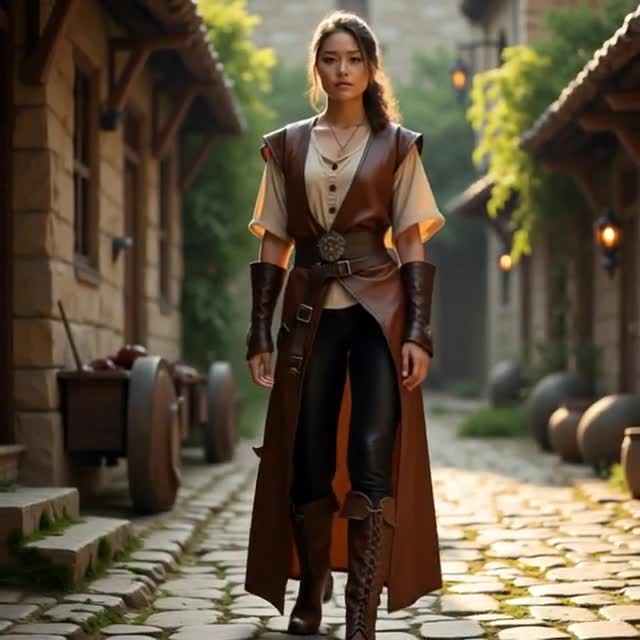
Garment silhouettes frequently echo historical forms, albeit adapted for modern comfort. Tunics, often longer and looser than typical shirts, are a staple, sometimes paired with simple, straight-cut trousers or leggings. For women, flowing dresses or layered tunics over skirts are common. Outerwear includes cloaks, capes, and sturdy jackets, providing both warmth and a dramatic flair reminiscent of ancient travelers.

The emphasis is on pieces that feel substantial and well-made, suggesting longevity and a connection to craftsmanship. While not always historically accurate in every detail, the aim is to capture the essence of Viking practicality and understated strength, moving away from fast fashion towards more enduring styles.
Accessories: The Details That Define the Look
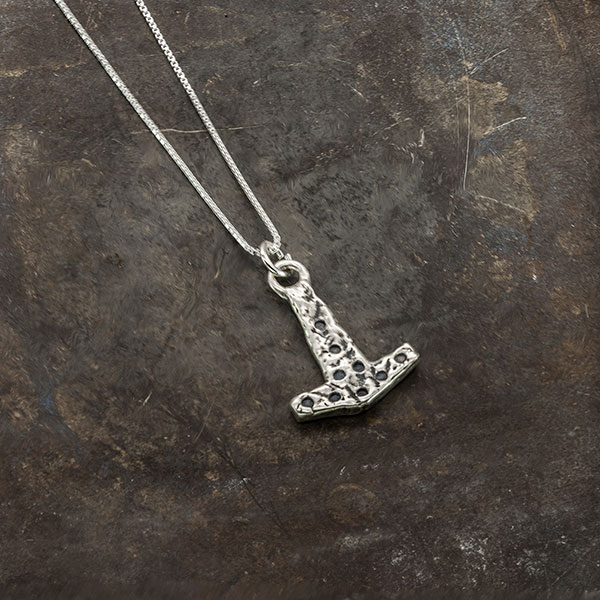
Accessories play a crucial role in defining the modern Norse aesthetic, often serving as powerful symbolic anchors. Metalwork, particularly in jewelry, is prominent. Pendants featuring iconic symbols such as Mjolnir (Thor’s hammer), the Valknut, Vegvisir, or various runic inscriptions are widely popular. These pieces are typically crafted from pewter, bronze, or silver, often with an aged or hammered finish to enhance their ancient appeal.
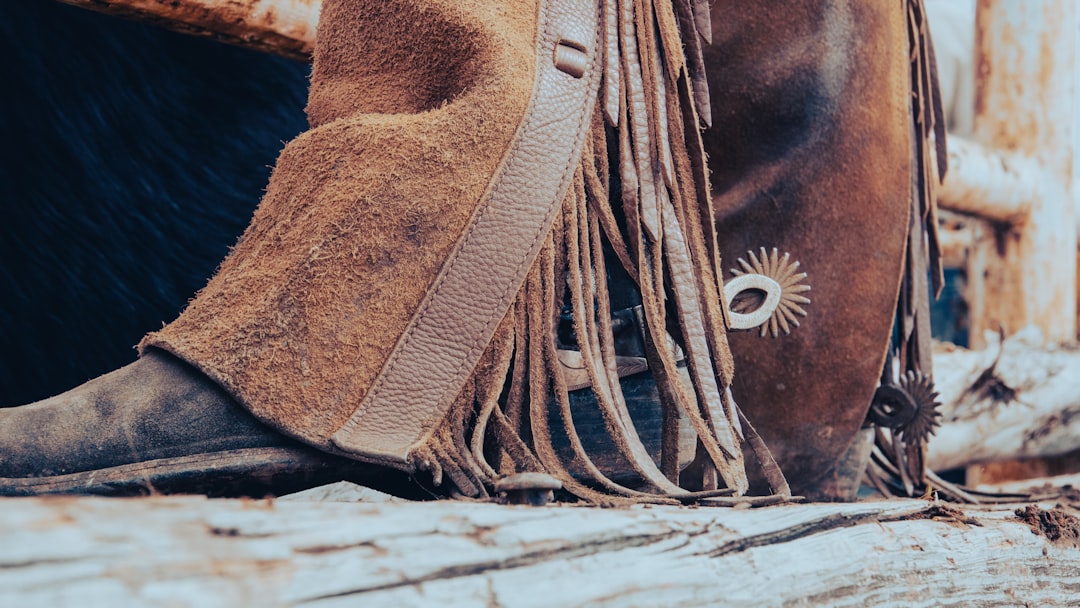
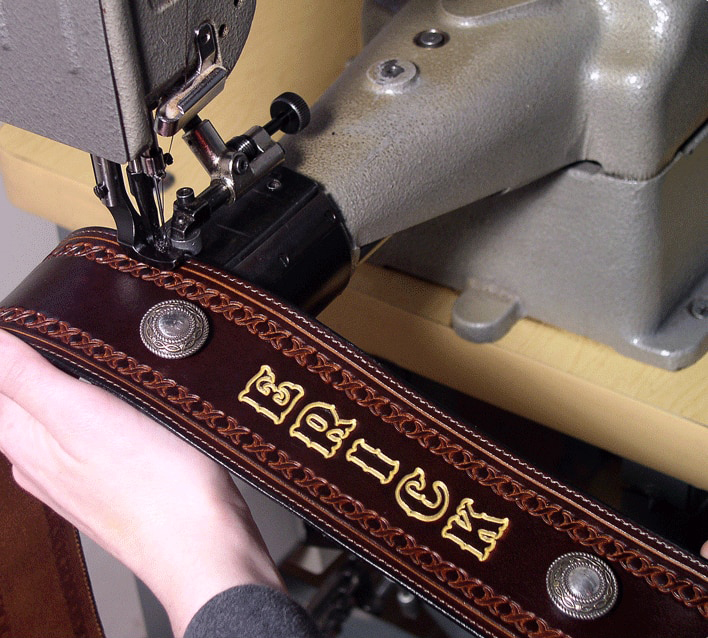
Leather goods are another cornerstone. Wide, robust belts, often adorned with metal buckles or embossed patterns, are common. Bracers, while historically protective, are now worn as decorative elements, adding a touch of warrior spirit. Small leather pouches or bags, designed for utility and style, complete many ensembles. Fur accents, used sparingly and often ethically sourced or faux, can add texture and a sense of primal luxury to collars, cuffs, or cloak linings.
Hair and beard styles also contribute significantly to the overall look. Braids, often intricate and adorned with metal beads or rings, are popular for both long hair and beards. The emphasis is on a natural, yet well-maintained appearance that evokes the rugged individualism associated with the Norse people.
From Subculture to Mainstream: Viking Influence Today
What began as a niche interest among historical reenactors and specific subcultures has, in recent years, permeated broader fashion consciousness. The surge in popularity of television series, films, and video games depicting Viking sagas has undeniably played a significant role in bringing Norse aesthetics into the mainstream. These media portrayals, while often romanticized, have introduced millions to the visual language of Viking culture, sparking interest in its clothing and accessories.
This increased visibility has led to a proliferation of brands and artisans specializing in Norse-inspired fashion. From independent crafters creating handmade leather goods and jewelry to larger apparel companies incorporating Viking motifs into their collections, the market has expanded considerably. This growth reflects a genuine demand for clothing that offers a sense of heritage, strength, and connection to a powerful historical narrative.
The trend is observed not just in dedicated “Viking wear” but also in broader fashion movements that value ruggedness, natural materials, and a slightly unconventional edge. Elements like chunky knitwear, distressed leather, and layered silhouettes can often trace a lineage back to the enduring appeal of historical Norse attire, even if subtly integrated into modern designs.
Ethical Considerations and Authenticity in Modern Viking Wear
As Norse-inspired fashion gains traction, discussions around ethical production and authenticity become increasingly pertinent. Consumers are increasingly seeking brands that prioritize sustainability, using natural, responsibly sourced materials and employing fair labor practices. The ethos of respecting nature, inherent in many ancient cultures, aligns well with modern demands for eco-conscious fashion.

Another key consideration is the balance between historical accuracy and modern wearability. While some enthusiasts strive for meticulous historical reconstruction, the broader trend often involves interpretation rather than strict replication. The goal is to capture the spirit and aesthetic without sacrificing comfort or practicality for contemporary life. This allows for creative expression while still honoring the source material.
Furthermore, navigating the line between respectful appreciation and cultural appropriation is vital. For many, embracing Norse fashion is a way to connect with ancestral heritage or to admire a rich historical culture. Responsible engagement involves understanding the symbols and their meanings, supporting creators who genuinely respect the culture, and avoiding trivialization or misrepresentation of its profound significance.
The Evolving Saga of Norse-Inspired Style
The journey of Norse-inspired fashion is far from over; it continues to evolve, adapting to new trends while retaining its core identity. We can anticipate further innovation in material science, perhaps blending traditional aesthetics with cutting-edge sustainable textiles. The emphasis on personalization is also likely to grow, with individuals seeking unique pieces that tell their own story, much like ancient Vikings used their attire to convey status and personal sagas.
As global interconnectedness increases, we may also see more fusion styles, where Norse elements are artfully combined with influences from other historical periods or contemporary subcultures, creating truly unique expressions. This ongoing dialogue between past and present ensures that the spirit of the Norse remains a dynamic and inspiring force in the world of fashion.
Ultimately, the enduring appeal of Viking fashion lies in its ability to offer more than just clothing; it provides a connection to a powerful legacy, a sense of rugged individualism, and an aesthetic that speaks to strength, resilience, and a deep connection to the natural world. It is a style that invites wearers to embody a piece of history, reimagined for the modern age.

 vikings


