
Wear it: The Heart of Odinism
Premium Norse-inspired apparel, made on demand.
🇺🇸 Fast US shipping · 🇪🇺 Ships across the EU · 🔒 Secure checkout
Embracing the Spirit of the North in Contemporary Fashion
The allure of the Viking Age continues to captivate, extending far beyond historical reenactments and sagas into the realm of modern fashion. In 2026, the fascination with Norse aesthetics isn’t about replicating historical costumes, but rather about drawing inspiration from the core principles that defined Viking attire: practicality, durability, and a deep connection to natural materials. This approach allows for a sophisticated integration of ancient sensibilities into a functional, contemporary wardrobe.
Modern Viking-inspired style champions a timeless elegance rooted in resilience and purpose. It’s a movement towards clothing that tells a story of craftsmanship and endurance, reflecting a desire for authenticity in an increasingly fast-paced world. By understanding the foundational elements of Norse clothing, we can curate a wardrobe that is both stylish and imbued with the enduring spirit of the North.
The Enduring Appeal of Norse Aesthetics
At its heart, Viking-era clothing was designed for functionality and survival in harsh environments. This meant an emphasis on layering, robust natural materials like wool and linen, and designs that allowed for freedom of movement. These practical considerations, far from being merely utilitarian, inadvertently created an aesthetic of rugged elegance that continues to resonate. The simplicity of form, combined with the inherent beauty of natural textures, offers a powerful counterpoint to fleeting fashion trends.
The visual language of Norse attire is characterized by earthy color palettes, often derived from natural dyes, and simple, yet effective, silhouettes. There was a clear appreciation for the quality of materials and the skill of the maker, rather than excessive ornamentation. This focus on substance over superficiality is precisely what gives Viking aesthetics their timeless appeal, making them highly adaptable to a modern context where sustainability and mindful consumption are increasingly valued.
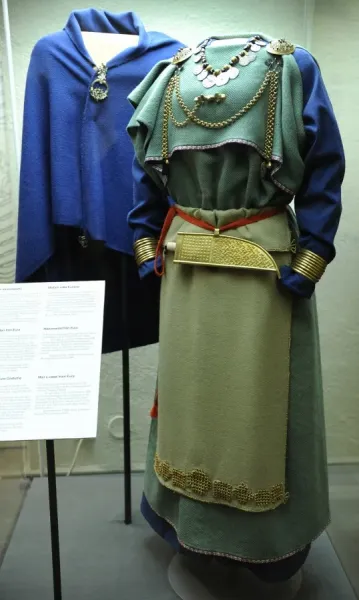
Key Elements of Modern Viking-Inspired Attire
Translating Viking style into a modern wardrobe involves identifying core garments and adapting them for contemporary wear. Long-sleeved linen or cotton shirts, often with simple necklines, serve as excellent base layers, echoing the tunics worn by the Norse. These can be paired with sturdy trousers in natural fabrics, favoring comfort and durability over restrictive cuts. The key is to select pieces that offer versatility and can be easily layered.
Outerwear is crucial for achieving the distinctive layered look. Think wool vests, heavy knit cardigans, or simple, unlined coats that mimic the drape and warmth of a Viking cloak. These pieces should prioritize texture and warmth, allowing for a dynamic interplay of fabrics. The overall silhouette should remain relatively relaxed, emphasizing comfort and ease of movement, rather than tight or overly structured forms.
Accessories play a vital role in completing the modern Norse-inspired ensemble. Broad leather belts with simple metal buckles, often worn over tunics or long shirts, provide both function and a strong visual anchor. Minimalist jewelry, such as a subtle Mjölnir pendant, an arm ring, or simple leather bracelets, can add a touch of authentic detail without overpowering the look. Practical, robust footwear, like leather boots, grounds the entire aesthetic.

Materials and Textures: A Nod to Authenticity
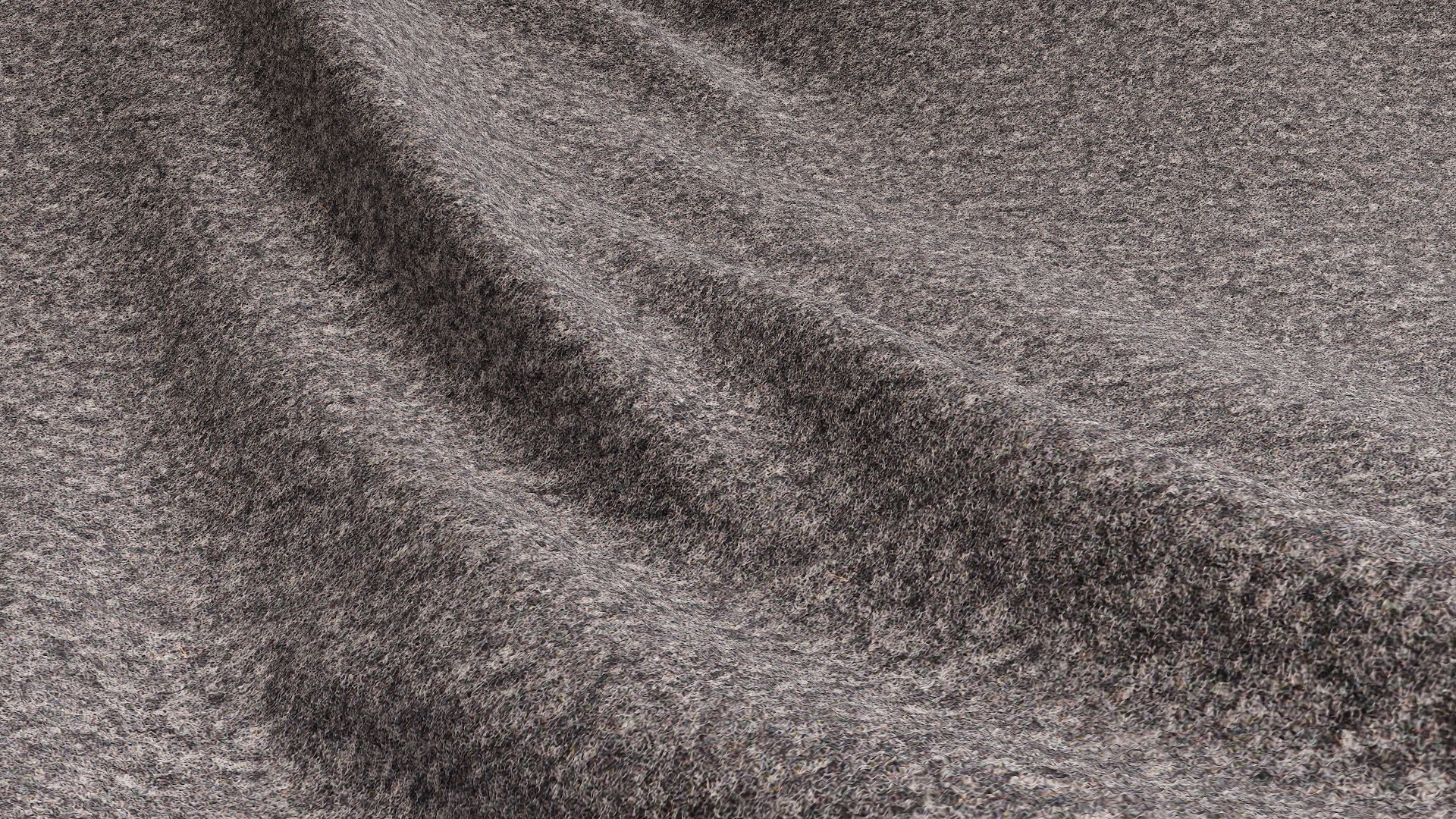
The choice of materials is paramount in capturing the essence of Viking style. Natural fibers are non-negotiable: wool, linen, and cotton should form the backbone of your wardrobe. Wool, in particular, offers unparalleled warmth, breathability, and durability, making it ideal for outer layers and knitwear. Linen and cotton provide comfort for base layers, especially in varying climates, and possess a natural drape that aligns with the aesthetic.
Leather is another essential material, used for belts, bags, and footwear. Opt for full-grain leather that will age beautifully and develop a unique patina over time, reflecting the Norse appreciation for items built to last. The emphasis should be on quality and texture, favoring fabrics with a visible weave or natural irregularities over highly processed or synthetic alternatives. Hand-stitched details or visible seams can further enhance the rustic, artisanal feel.
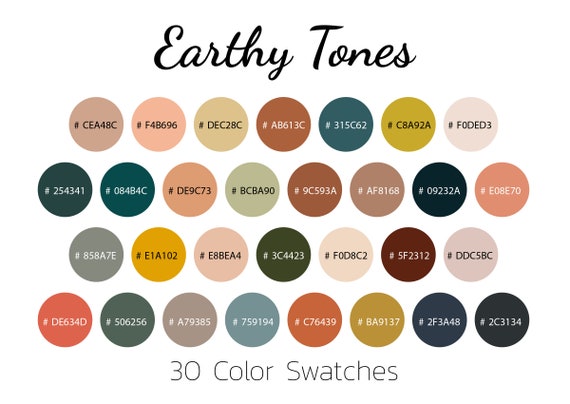
Color Palettes and Subtle Patterns
The color palette for a modern Viking-inspired wardrobe should draw heavily from nature. Earth tones such as deep greens, muted browns, charcoal grays, and stone beiges are fundamental. Accents can come from rich, deep blues or subdued reds, reminiscent of natural dyes used in the Viking Age. The overall impression should be one of understated sophistication, avoiding bright, artificial hues.
Patterns, if used, should be subtle and integrated into the fabric’s weave or texture. Think herringbone, simple plaids, or very fine geometric patterns that evoke historical textile designs without being overtly decorative. Embroidery, if present, should be minimal and abstract, focusing on texture rather than elaborate motifs. The goal is to create visual interest through the interplay of textures and shades, rather than relying on bold prints.
Crafting Your Contemporary Norse Look
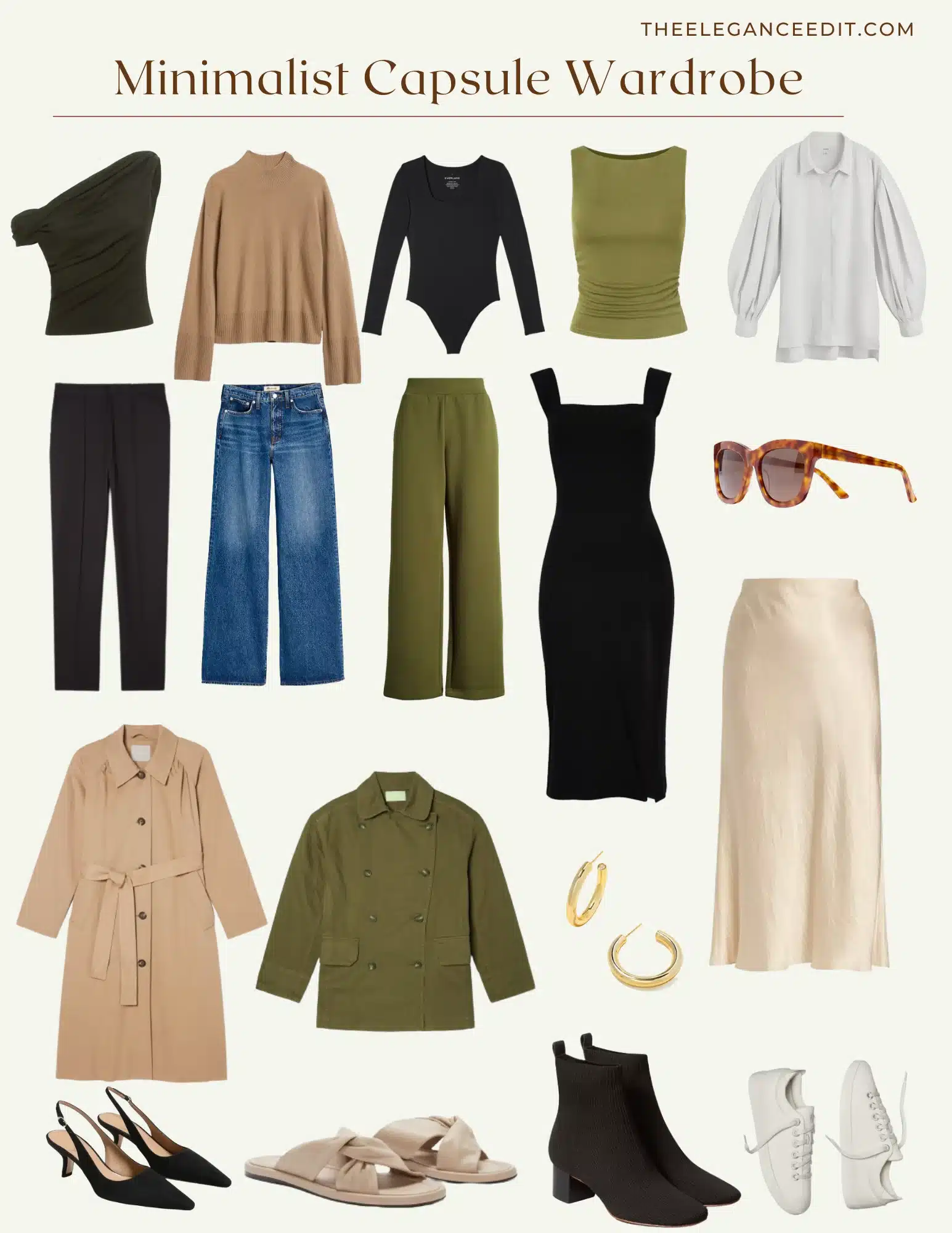
Building a modern wardrobe with Viking influences is about thoughtful curation and personal interpretation. Start by investing in high-quality, versatile pieces in natural materials and a cohesive color palette. Focus on building a capsule wardrobe where items can be easily mixed and matched, allowing for various layered combinations suitable for different occasions and weather conditions.
The key is to integrate these elements seamlessly into your existing style, rather than adopting a full ‘costume’ look. A wool tunic-style shirt paired with modern jeans and leather boots, or a heavy knit cardigan over a simple linen shirt, exemplifies this approach. It’s about drawing inspiration from the spirit of the Norse – their resilience, their connection to nature, and their appreciation for enduring craftsmanship – and expressing it through a contemporary lens.
The Enduring Legacy of Practical Elegance
As we move further into the 2020s, the principles of Viking style – durability, natural materials, and functional design – align perfectly with a growing global consciousness around sustainability and mindful consumption. The appeal lies not just in historical homage, but in a deeper appreciation for clothing that is built to last, comfortable to wear, and inherently stylish. This enduring legacy of practical elegance ensures that Norse-inspired fashion will continue to evolve and inspire for years to come.
The modern Viking wardrobe is more than just clothing; it’s a statement about valuing quality, embracing the rugged beauty of the natural world, and carrying forward a tradition of strength and authenticity. It’s about finding personal expression in timeless designs that resonate with a rich cultural heritage, proving that ancient wisdom can indeed inform contemporary style.

 vikings