
Search “viking lifestyle” and you will mostly get outfit guides — which is fine, but it skips the part that actually matters to people who take this seriously: a set of values pulled from Norse poetry, applied to an ordinary modern week. This is what that looks like in practice, from the source material to the community built around it.
Modern Viking lifestyle at a glance
- The Hávamál is the core source text — practical Old Norse wisdom poetry, not one of the mythological Eddas.
- Ásatrú is a legally recognized religion in several countries; the “Viking lifestyle” aesthetic is broader and secular by default.
- Popular practices like rucking and cold exposure are modern fitness trends, not direct historical reconstructions.
- Reenactment groups typically lend beginner gear — no upfront investment required to start.
What “Viking Lifestyle” Actually Means Beyond the Aesthetic
Clothing and jewelry are the visible layer, and they matter — style is a genuine identity marker, a way of signaling what you value before you say a word; see how to dress like a Viking for that side of it. But underneath the aesthetic, most people who describe themselves as living a “Viking lifestyle” are really talking about something else: a set of values pulled from Norse poetry and saga literature, then applied to ordinary modern problems — money, relationships, fear, and reputation. The clothes are optional. The values are the actual point, and they hold up whether or not you ever put on a single piece of Norse-inspired apparel.
Hávamál Values Worth Living By
The Hávamál — a collection of Old Norse wisdom poetry attributed to Odin — is the closest thing to a practical rulebook the sagas left behind, and it holds up surprisingly well as everyday advice.
- Self-reliance: the poem repeatedly praises the traveler who can look after himself rather than depending on others’ goodwill — pack your own gear, learn your own skills, do not assume someone else will bail you out.
- Hospitality: several stanzas deal with how to treat a guest — offer food, water, and warmth before questions, because you do not know who is arriving at your door or what they have been through. It is reciprocal: today’s guest is tomorrow’s host.
- Reputation: the poem’s most quoted idea is that cattle die, kinsmen die, and you yourself will die the same way — but a good reputation, once earned, outlasts all of it. That is a long way of saying your name is the one thing you actually control.
- Facing fear and death without flinching: the poem’s fatalism is not despair, it is a kind of practical courage — accept the outcome you cannot change and put your energy into the parts you can.
None of this requires reading the poem as literal instruction from a Bronze Age warband — it reads more like the practical advice of people who had survived hard winters, long voyages, and unreliable neighbors, and wanted the next generation to skip a few of their mistakes.
Wear it: Viking Steel
Premium Norse-inspired apparel, made on demand.
🇺🇸 Fast US shipping · 🇪🇺 Ships across the EU · 🔒 Secure checkout
Practical Ways People Live It Out
None of this requires a costume. The people who take it seriously tend to express it through habits rather than outfits, usually built around two themes:
- Outdoor training — rucking (walking or hiking with a weighted pack) and cold exposure, like cold showers or outdoor plunges, have both become popular stand-ins for the physical hardiness a Norse farmer-warrior needed just to get through an ordinary year. Keep the claims modest here — these are training habits people find useful, not medical treatments, and the marketing around cold exposure especially tends to overpromise. Treated as fitness habits, though, both are a genuine, low-cost way to build resilience without any special gear.
- Craftsmanship and DIY — leatherworking, woodworking, basic blacksmithing, or just maintaining and repairing your own gear instead of replacing it. The Norse economy ran on people who could make and fix what they needed themselves, from tools to sails to shoes, and that hands-on habit translates directly today. It does not need to be elaborate — resoling your own boots or fixing a leather strap counts as much as forging a blade.
For more specific everyday habits that build on this, see 10 Ways to Bring Viking Style Into Everyday Life.
Community: Festivals, Reenactment Groups, and Ásatrú
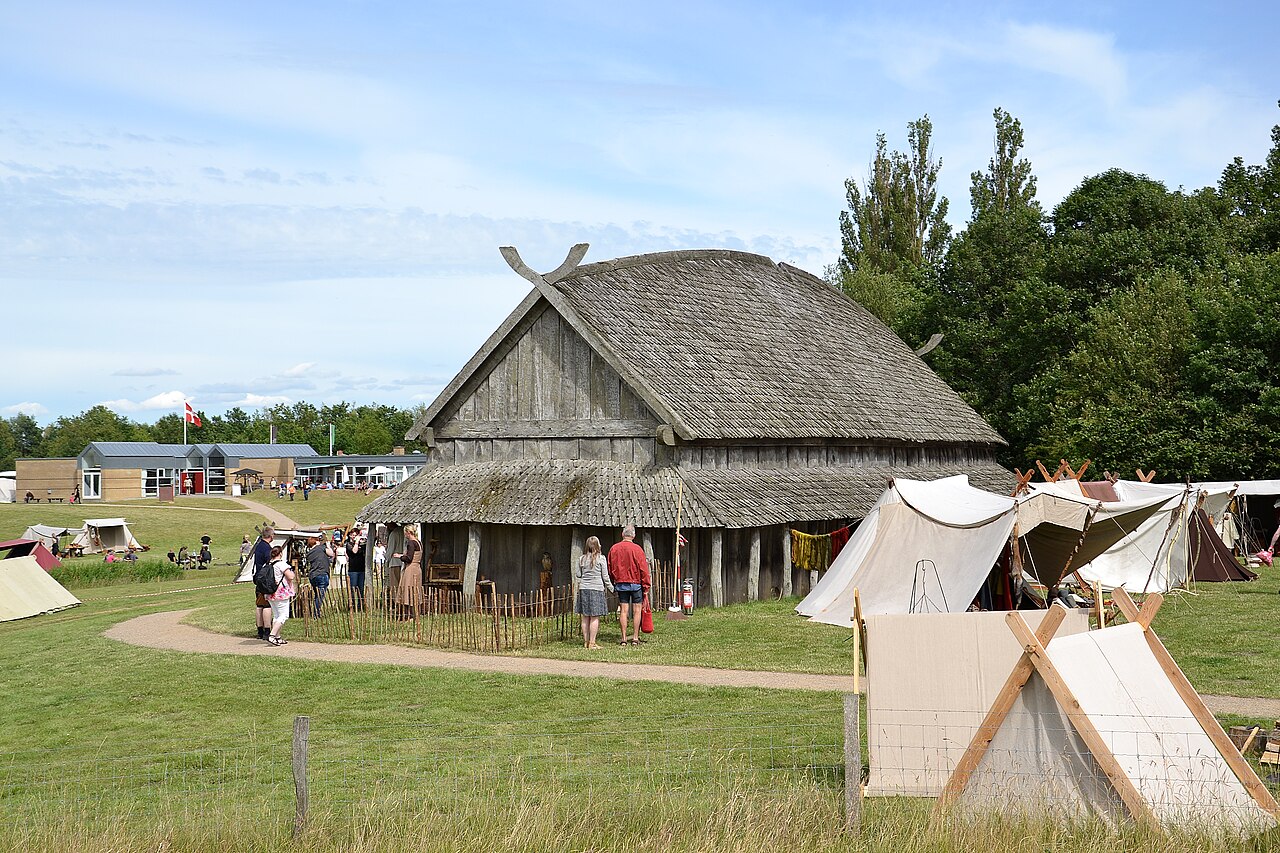
The values above are personal, but the lifestyle mostly gets built and reinforced in groups. Reenactment societies and living-history groups are the most accessible entry point — most welcome beginners with no gear and no experience, lend or rent basic kit, and teach skills like knot-work, cooking over fire, or basic combat safety as you go. A modern Viking festival is usually the fastest way to meet people already doing this seriously, since a weekend event puts dozens of different groups and skill levels in one place.
Worth separating clearly: Ásatrú, the modern reconstructed religion centered on the Norse gods, is a belief system with its own organizations, rituals, and legal recognition as a religion in several countries — it is not the same thing as the broader “Viking lifestyle” aesthetic, even though the two circles overlap at festivals and online. Plenty of people live out Norse-inspired values without practicing Ásatrú as a religion, and plenty of Ásatrú practitioners would firmly separate their faith from any lifestyle branding. Respecting that line matters if you are engaging with either community as an outsider.
Where to Start Reading
If you want the values above from the source instead of secondhand, start with the Poetic Edda — the Hávamál specifically, since it is short and reads like direct advice rather than narrative. Follow it with the Prose Edda, compiled by the Icelandic chieftain and scholar Snorri Sturluson, for the mythological backbone that the rest of Norse culture builds on. From there, the family sagas put these values into action through actual, if embellished, historical figures — Njál’s Saga and Egil’s Saga are the standard starting points, and both are widely available in modern English translation.
Quick Answers
Is the Viking lifestyle a religion? Not by default. Most people using the term mean a set of values and habits inspired by Norse culture; Ásatrú is the specific modern religion built around the Norse gods, and it is a separate, if sometimes overlapping, commitment.
What is the easiest way to start living it? Read the Hávamál first — it is short, practical, and does not require any gear or travel to start applying.
Do I need to do reenactment to take this seriously? No, but it helps. Reenactment groups and festivals are the fastest way to meet a community already living out these values in a structured way.
Are rucking and cold exposure historically “Viking”? Not literally — they are modern training methods people use to approximate the physical hardiness a Norse lifestyle would have demanded by necessity. Treat them as fitness habits, not historical recreations.

 History Warrior Team


