
Echoes of the longship in a modern world
Listen closely. Beyond the noise of the modern world, you can hear it—a distant drumbeat, the crash of a wave against a wooden hull, the echo of a saga sung by a winter fire. The spirit of the Northmen, once confined to history books and archaeological sites, has roared back to life. It’s in the blockbusting TV shows that fill our screens, the intricate tattoos etched onto skin, and the powerful symbols worn as jewelry. The Viking aesthetic is no longer a relic of the past; it has risen, fierce and untamed, to conquer the landscape of modern design.
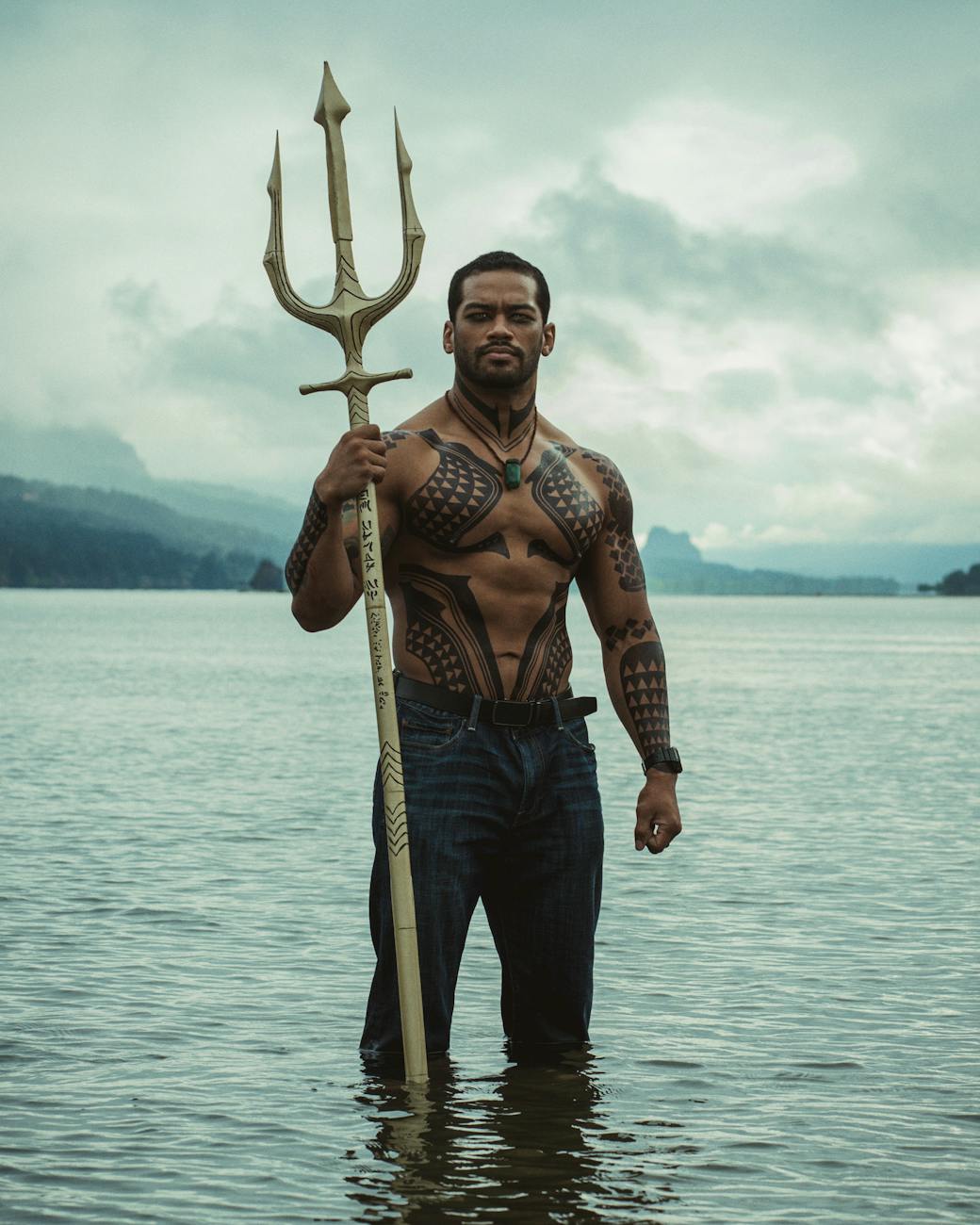
But what is this pull we feel towards the rugged, meaningful world of the Vikings? It’s more than just a fleeting trend. It’s a yearning for authenticity in an age of mass production. It’s a desire to connect with something raw, powerful, and deeply rooted in the natural world. From high fashion runways to the everyday warrior’s wardrobe, the Norse influence is undeniable. In this article, we’ll journey into the heart of the Viking aesthetic, exploring its core elements, its modern resurgence, and how you can authentically weave its threads into your own life.
What truly defines the Viking aesthetic?
To understand its modern appeal, we must first understand its soul. The Viking aesthetic is not simply about horned helmets (a historical inaccuracy we can set aside) or crude brutality. It’s a complex tapestry woven from three essential threads: untamed nature, profound symbolism, and masterful craftsmanship.
- Connection to nature: The Norse people lived and died by the seasons. Their world was one of harsh winters, sprawling forests, and treacherous seas. This deep, often brutal, relationship with the natural world is reflected in their design. Think of raw, functional materials like wood, leather, wool, iron, and stone. The aesthetic is earthy, grounded, and unapologetically organic.
- Deep symbolism: Every line and every carving had a purpose. Norse design is steeped in mythology and belief. From the protective power of Mjolnir (Thor’s Hammer) to the intricate, cyclical patterns of knotwork representing the interconnectedness of life, every object told a story or served a spiritual function.
- Honest craftsmanship: The Vikings were master artisans. Whether carving a detailed animal head onto the prow of a longship or forging a pattern-welded sword, they valued skill, durability, and beauty in equal measure. The aesthetic celebrates the mark of the maker, showing the time and effort invested in creating something both beautiful and built to last.
From the fjord to the runway: a historical thread
In the Viking Age (roughly 793-1066 AD), clothing and design were, above all, practical. A warrior’s armor needed to protect him in a shield wall. A farmer’s tunic, made from coarse wool, needed to provide warmth against the biting northern winds. Jewelry wasn’t just for adornment; it was portable wealth, a display of status, and often a spiritual talisman. Brooches fastened cloaks, and rings were given to cement oaths of loyalty.
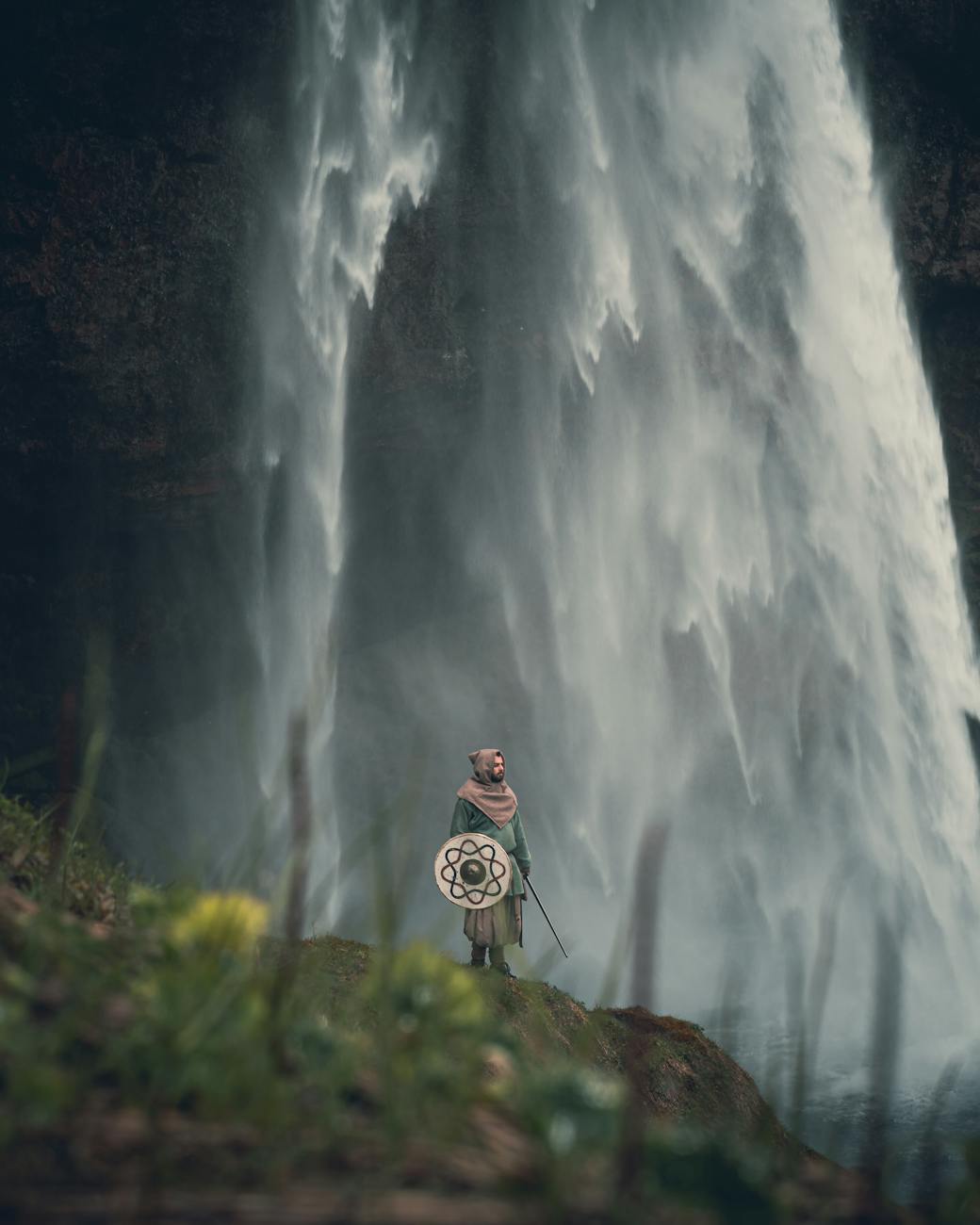
Today, that raw functionality has transformed into a stylistic statement. We no longer need a thick fur cloak to survive the winter (though it certainly helps), but we are drawn to the sense of resilience and self-sufficiency it represents. The modern interpretation of the Viking aesthetic takes these historical elements and refashions them for a contemporary context. The materials are still there—leather, wool, metal—but the cuts are more refined, the applications more diverse. It’s a bridge between a past defined by survival and a present defined by identity.
The key elements of ancient Norse design
To truly embrace the Viking aesthetic, you must understand its visual language. It’s a language of powerful symbols, natural textures, and mesmerizing patterns that have captivated artisans for centuries.
Mythology forged in metal and wood
Norse symbolism is the beating heart of this aesthetic. These weren’t just pretty pictures; they were icons of power, fate, and protection. Today, they are worn by millions seeking to connect with that same ancient power.
- Mjolnir: Thor’s Hammer is perhaps the most iconic Norse symbol, representing strength, protection, and consecration. In modern times, it’s a popular pendant, a declaration of inner strength and a connection to Norse heritage.
- Valknut: The ‘knot of the slain’ is a mysterious and powerful symbol of three interlocking triangles. Associated with Odin, it is often interpreted to represent sacrifice, the afterlife, and the connection between the nine realms.
- Vegvisir: Though its origins are from a later Icelandic grimoire, the Vegvisir, or ‘runic compass,’ has been wholeheartedly adopted into the modern Viking aesthetic. It is believed to provide guidance and protection, ensuring the bearer will not lose their way, even in the worst of storms—a powerful metaphor for life’s challenges.
- Runes: The letters of the ancient Germanic alphabets were more than just a writing system; each rune held a phonetic and esoteric meaning. Today, they are used in jewelry and tattoos to spell out names, invoke certain qualities like ‘courage’ or ‘luck,’ or as powerful single talismans.
The raw materials of the North
The materials are the foundation upon which the aesthetic is built. They are honest, durable, and speak of a life lived close to the earth. Modern designers are embracing these materials for their texture, authenticity, and sustainable qualities.
- Leather: From belts and boots to armor and bags, leather was indispensable. Today, distressed leather jackets, sturdy boots, and wide, embossed belts bring a rugged, warrior-like quality to any outfit.
- Wool and linen: These were the primary textiles for Viking clothing. Modern interpretations include chunky, cable-knit wool sweaters that mimic ancient weaving patterns and breathable linen tunics perfect for layering.
- Wood and bone: Carved into everything from household items to jewelry, these materials connect us directly to the natural world. Think of wooden drinking vessels, bone pendants, or even furniture with a raw, hand-carved finish.
- Iron, silver, and bronze: Metal was a sign of wealth and power. The gleam of a silver arm-ring or the dark heft of an iron pendant adds a touch of ancient gravitas to modern style.
Why has the Viking spirit captured the modern imagination?
The resurgence of Norse design isn’t accidental. It’s a perfect storm of cultural trends, media influence, and a deep-seated human need for meaning.
The call of Valhalla on screen
There’s no denying the colossal impact of pop culture. Shows like *Vikings* and *The Last Kingdom*, and epic video games like *God of War* and *Assassin’s Creed Valhalla*, have brought the Viking world to life for a global audience. They’ve presented a world that is brutal, yes, but also one of deep loyalty, breathtaking landscapes, and complex characters. This media has created a visual dictionary for the modern Viking aesthetic, inspiring everything from hairstyles and beards to clothing and tattoo choices.
A quest for authenticity and heritage
In a world of fast fashion and disposable goods, the Viking aesthetic offers an antidote. It speaks of things made by hand, meant to last a lifetime. It represents a connection to one’s roots and ancestry, a pushback against a globalized, homogenized culture. Wearing a piece of handcrafted jewelry or a garment made from natural fibers feels more meaningful. It’s a quiet rebellion against the superficial, a way of saying, “I value substance, history, and skill.”
Embracing the inner warrior
At its core, the Viking spirit is about resilience, courage, and a fierce independence. It’s about facing the storms of life head-on. This archetype resonates deeply in our often-uncertain modern world. The aesthetic acts as a form of personal armor. Donning a leather jacket or a Mjolnir pendant can be a source of strength, a daily reminder of the warrior spirit that lies within each of us.
How to weave the Viking aesthetic into your modern life
You don’t need to wear full battle gear to embrace the spirit of the North. The beauty of the modern Viking aesthetic is its versatility. It can be as subtle or as bold as you wish.
Start with subtle nods: accessories and jewelry
This is the easiest entry point. A single, well-chosen piece can transform an entire look.
- Pendants: A silver Mjolnir, a bronze Vegvisir, or a carved wooden rune are powerful and personal statements.
- Bracelets and arm-rings: A twisted silver or bronze arm-ring is a classic piece of Viking regalia. A wide leather cuff with runic embossing adds a rugged touch.
- Rings: Look for signet rings with symbols like the Valknut or rings with knotwork patterns.
Build a modern Viking wardrobe
Focus on texture, earthy colors, and layering. Think of a wardrobe that is both stylish and practical.
- Key Garments: Invest in a quality leather or waxed canvas jacket, chunky wool sweaters, linen or henley-style shirts, and durable trousers or jeans in dark or earthy tones (black, grey, brown, forest green).
- Layering is Key: The Norsemen knew how to layer for warmth and functionality. Combine a simple tunic or shirt with a vest, a sweater, and an outer jacket for a look that is both authentic and adaptable.
- Footwear: Sturdy leather boots are non-negotiable. Whether a classic work boot or a more medieval-inspired design, they ground the entire aesthetic.
Beyond clothing: home and lifestyle
The aesthetic can extend into your living space. Create a home that feels like a modern mead hall.
- Decor: Incorporate natural wood furniture, faux fur or wool throws, carved wooden bowls, and perhaps even a decorative drinking horn.
- Atmosphere: Use candlelight, scents of pine and campfire, and rustic textures to create a cozy, northern-inspired sanctuary.
The future of Norse design: authenticity over caricature
As the Viking aesthetic grows in popularity, it’s crucial to approach it with respect. The line between appreciation and caricature can be thin. The goal is not to create a costume, but to draw inspiration from the principles of Norse culture: strength, craftsmanship, and a deep respect for nature and history. Understand the meaning behind the symbols you wear. Seek out independent artisans who use traditional techniques. By doing so, you honor the legacy of the Northmen and ensure that their fierce spirit continues to thrive with the dignity it deserves.
The rise of the Viking aesthetic is a testament to its timeless power. It’s a design language that speaks of resilience, of beauty found in the raw and the real, and of stories that refuse to be forgotten. It’s a call to connect with our own inner strength and to forge a life, and a style, with purpose and meaning. It is, in every thread and every carving, the enduring spirit of the North.

 vikings


