
The echoes of the axe: embracing the spirit of the Norse shipwright
Close your eyes and listen. Can you hear it? The rhythmic chop of an axe biting into oak, the sharp clang of hammer on iron, the hiss of hot tar sealing a seam. This is the symphony of creation that birthed the most iconic vessel of the ancient world: the Viking longship. More than just a boat, the longship was the heart of the Norse world. It was a vessel of exploration, a tool of trade, a chariot of war, and a bridge to new worlds. It was the physical embodiment of Viking ambition, ingenuity, and unparalleled craftsmanship.
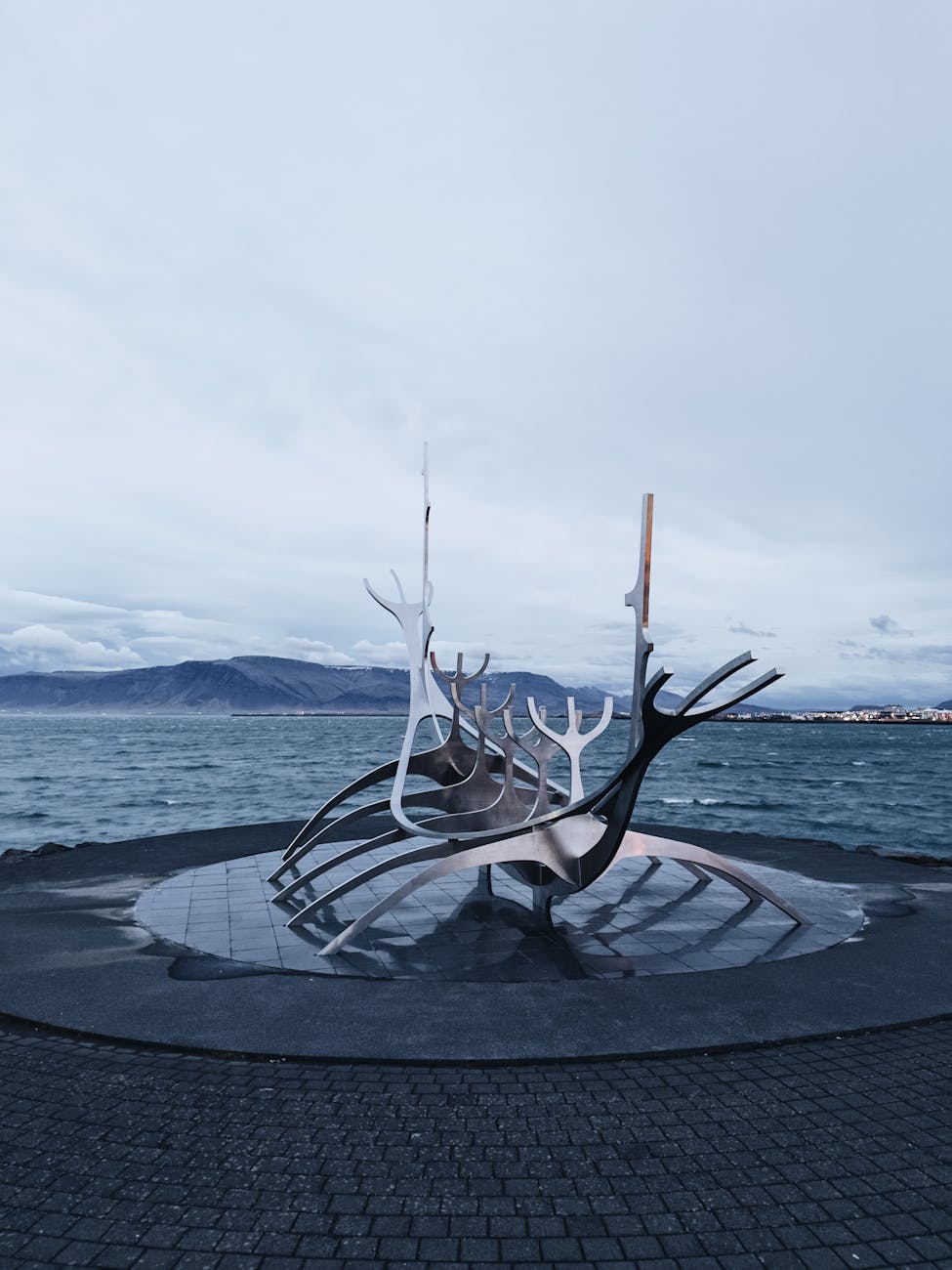
For many of us who feel the call of the North, the longship represents the ultimate custom creation. To build one is to walk in the footsteps of our ancestors, to connect with their skills, and to resurrect a piece of history from raw timber. This is not a weekend project or a simple woodworking task. Building a replica longship is a saga in itself—a monumental undertaking that demands patience, strength, and a deep respect for the craft. In this guide, we will journey through the process, from felling the first tree to carving the final snarl on the dragon’s head, exploring the techniques that made these sea-serpents masters of the waves.
The heart of the sea serpent: understanding longship design
Before a single tool is lifted, one must understand the soul of the ship. Why was the longship so effective? The genius lay in its unique design, perfected over centuries of trial and error on the unforgiving northern seas. A true longship, whether a mighty *drakkar* bristling with warriors or a broader, cargo-hauling *knarr*, shared several key characteristics.
- Clinker-built hull: This is the hallmark of Norse shipbuilding. Instead of planks being laid edge-to-edge (carvel-built), the strakes (planks) of a longship overlapped one another, like wooden scales on a dragon. This method, also known as lapstrake, created a hull that was incredibly strong yet remarkably flexible, allowing it to bend and twist with the waves rather than fighting against them.
- Shallow draft: A longship had a very shallow keel, meaning it didn’t sit deep in the water. This incredible feature allowed the Vikings to navigate not only open oceans but also shallow rivers and coastal waters. They could land directly on a beach, disembarking warriors or traders with terrifying speed and surprise.
- Symmetrical design: The bow and stern were nearly identical. This meant the ship could reverse direction quickly without having to turn around—a critical advantage in a narrow fjord or during a chaotic coastal raid.
- Light and long frame: The long, narrow profile made the ship incredibly fast. Powered by a single, large square sail and supplemented by the might of its oarsmen, a longship could cut through the water with astonishing speed and agility.

To build a longship is to honor this design. It’s not about making a Viking-themed boat; it’s about replicating the engineering that allowed the Norse to dominate the seas.
Sourcing the sinews of the ship: materials and tools
The strength of a longship came directly from the forest. The Vikings were master woodsmen who knew the properties of each tree. Sourcing the right materials is the first and most critical test for any aspiring shipwright.
The sacred trinity of timber

Historically, specific woods were chosen for their unique qualities:
- Oak: The king of the forest was reserved for the most important parts of the ship. Its immense strength and resistance to rot made it the only choice for the keel (the ship’s backbone) and the curved ribs that formed its skeleton. A strong oak keel was the foundation upon which the entire saga was built.
- Pine: For the long, overlapping strakes of the hull, straight-grained pine was often preferred. It was lighter than oak, easier to work with, and when properly sealed with tar, it was perfectly suited for the task. The shipwrights would seek out tall, old-growth pines that could yield long, knot-free planks.
- Ash or other hardwoods: Woods like ash were often used for smaller details, pegs, or parts of the rigging that required both strength and a degree of flexibility.
For the modern builder, sourcing green, unseasoned wood of this quality is a challenge. You will need to connect with specialty sawyers or even manage your own small patch of woodland. The key is to find timbers that can be split, or riven, along their grain, which maintains the natural strength of the wood fibers—a technique far superior to modern sawing.
The tools of the trade
Forget your modern power tools. While they can have their place in a modern replica project, the soul of the work is in the hand tools. The Norse shipwrights were masters of a few essential implements:
- The broad axe: For felling trees and rough-shaping the massive timbers of the keel and stems.
- The adze: A crucial tool for hollowing out and shaping the planks, used with a scooping motion.
- The drawknife: For finer shaping and smoothing of planks and other components.
- Hammers, tongs, and a forge: A longship was held together by thousands of iron rivets, each one forged by hand.
The saga of construction: from keel to open water
With an understanding of the design and materials in hand, the true labor begins. Building a longship is a sequential, almost ritualistic process.
H3: Laying the foundation: the mighty keel
Everything starts with the keel. This isn’t just a plank of wood; it’s a massive, T-shaped beam of solid oak that forms the spine of the vessel. The curved stem and stern posts are scarfed onto each end, creating the iconic, sweeping profile of the longship. This single piece of timber is the soul of the ship, and its shaping requires immense skill and foresight.
H3: The skin of the beast: the clinker-built hull
Once the keel is laid, construction begins on the hull, one plank at a time. The first strake, the garboard, is fixed directly to the keel. Each subsequent plank is then overlapped onto the one below it by a few inches. This is the clinker method. Shaping these long planks to fit the hull’s curve is an art form, done by eye and feel. The planks are temporarily held in place with clamps as the shipwright prepares for the most crucial step: riveting.
H3: The iron nail’s bite: riveting the strakes
The Viking longship was a testament to the blacksmith’s art. The overlapping strakes were not glued or screwed; they were fastened with thousands of iron rivets. The process required two people. One person on the outside would hammer a long iron nail through a pre-drilled hole. On the inside, another person would place a small, square iron washer (a rove) over the nail’s tip. The nail was then snipped, and the end was hammered flat over the rove, creating a permanent, watertight clinch. This painstaking process, repeated for every plank, is what gave the hull its legendary strength and flexibility.
H3: Giving it ribs: framing the vessel
Here lies a key difference between Norse and later European shipbuilding. The ribs, or frames, were installed *after* the shell of the hull was completed. Naturally curved sections of oak were chosen to match the hull’s shape. They were then carefully fitted inside and lashed to the planks using cordage made from spruce roots or animal hide, passed through cleats that were carved directly into the inner face of the strakes. This method allowed the hull to remain flexible, as the ribs weren’t rigidly attached to every plank.
H3: Sealing against the sea: the art of caulking
To make the ship watertight, the seams between the overlapping planks were caulked. The Vikings used a mixture of animal hair (like sheep’s wool) soaked in pine tar. This sticky, odorous concoction was packed tightly into every seam. The tar not only sealed the gaps but also preserved the wood, protecting it from the harsh, corrosive saltwater.
Breathing life into the wood: the final touches
With the hull complete, the ship is a body without a soul. It is the final elements that give it its true Viking character.
H3: The steerboard and the mast: harnessing the wind and waves
Vikings did not use a central rudder. Instead, they controlled their ships with a large side-rudder, called a steerboard (from which we get the nautical term ‘starboard’), mounted on the right side of the stern. The mast, a single tall pine trunk, was stepped amidships into a massive block of oak called the ‘kerling’. It supported a single, large square sail, often made of heavy wool and sometimes dyed in striking patterns of red and white stripes.
H3: Carving the dragon’s soul: the figurehead and adornments
The final act of creation is giving the ship its spirit. The most fearsome warships were often crowned with a terrifying, removable dragon or serpent head. These were not mere decorations; they were symbols of power, designed to intimidate enemies and ward off evil spirits of the sea. The gunwales would be lined with brightly painted shields, and intricate knotwork carvings might adorn the stem and stern posts. This is where the shipwright becomes an artist, infusing the vessel with the stories, symbols, and spirit of their culture.
A modern Viking’s quest: is this project for you?
Let us be clear: building a full-sized replica longship is a monumental, multi-year endeavor that requires a team of skilled craftspeople, a huge workshop, significant funding, and access to a forest’s worth of timber. For an individual, it is likely beyond reach.
However, the spirit of the Norse shipwright can still be embraced. Start smaller. Consider building a *faering*, a traditional four-oared boat that uses the exact same clinker construction techniques as its larger cousins. This is a challenging but achievable project for a dedicated individual or small group. Alternatively, seek out maritime museums or historical reenactment societies. Many of these groups have ongoing longship projects and are always looking for passionate volunteers. Participating in such a project allows you to learn the skills firsthand, to feel the axe in your hand, and to be a part of a community dedicated to keeping these ancient crafts alive.
To build a longship—or even a part of one—is to do more than just assemble wood and iron. It is to forge a direct, tangible link to the Viking Age. It is to understand that every curve of the hull and every clinch of the rivet was a choice made for survival and success. It is a tribute to the fierce spirit of creation that defined the North, a spirit that still calls to the builders, the dreamers, and the adventurers among us today.

 vikings

