
The heart of the longship: understanding Norse naval architecture
Before a single piece of timber is shaped, one must first understand the soul of the vessel. The Viking longship was not merely a boat; it was a masterpiece of engineering, a symbol of power, and the key that unlocked the known world for the Norse people. To build one is to connect with the very spirit of Viking ingenuity. Unlike the heavy, clumsy cogs of other European powers, the longship was a creature of speed, flexibility, and terrifying beauty, born from a deep understanding of the sea and the forest.
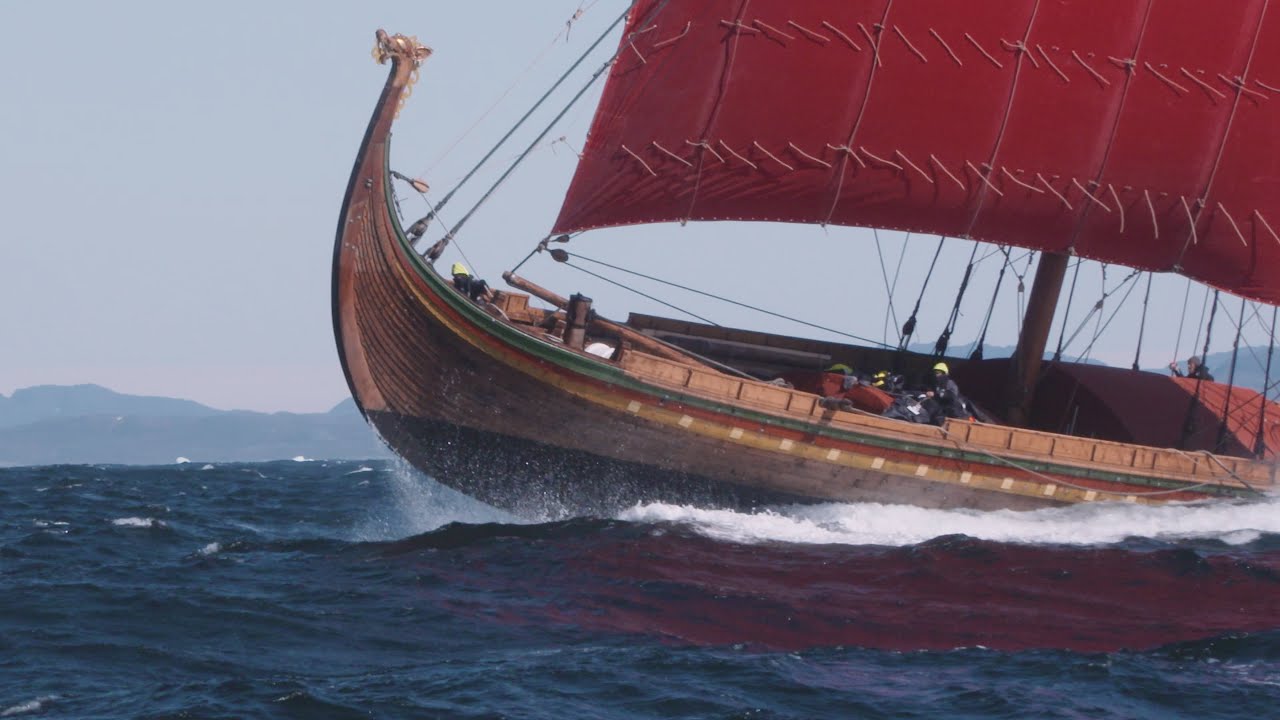
The secret to its success lies in its unique clinker-built, or lapstrake, construction. Imagine planks, split radially from mighty oaks, overlapping each other like the scales of a dragon. Each plank was fastened to the one below it with hand-forged iron rivets, hammered tight over a rove on the inside. This technique created a hull that was both incredibly strong and surprisingly flexible. It allowed the ship to bend and twist with the waves of the brutal North Atlantic, absorbing the ocean’s fury rather than fighting against it. This flexibility was a stark contrast to the rigid, frame-first construction of other cultures, and it gave the longships a life of their own.
At the core of this design was the keel. The Vikings were masters of the keel, often hewn from a single, massive oak tree. This T-shaped backbone provided immense longitudinal strength and stability, allowing the ship to carry a large sail without capsizing. It was a technological leap that enabled them to sail further and faster than ever before. Combined with a shallow draft, the longship could not only conquer open oceans but also navigate far up shallow rivers, delivering warriors to the heart of unsuspecting lands. Its symmetrical bow and stern, often adorned with a fearsome dragon or serpent head, meant the ship could reverse direction in an instant, a crucial advantage for a quick escape after a raid.
The power of the longship came from two sources: the wind and the arms of its crew. A single, large square sail, typically made of wool and reinforced with a leather grid, captured the wind for long voyages. When the wind died or during combat, the sail was lowered, and the ship became a different beast. Long oars, manned by the Vikings themselves, would emerge from oar-ports along the gunwale. This dual-propulsion system made the longship the most versatile vessel of its age, equally at home on the vast sea or a winding river. To study the remains of archaeological treasures like the Gokstad or Oseberg ships is to read the blueprint of Norse domination, a lesson in how form, function, and materials can be forged into a legend.
Gathering the hoard: materials and tools for your drakkar
A ship is only as strong as the wood from which it is born, and the Norse shipwrights were master foresters. They did not simply cut down trees; they sought them out, understanding the grain, strength, and spirit of each one. Building an authentic replica demands the same reverence for materials. The primary wood, the very soul of your vessel, must be oak. It is sought for its incredible strength, density, and resistance to rot, making it the only choice for the keel, stems, and structural ribs.
For the hull planks, or strakes, straight-grained pine or larch is often preferred. While not as tough as oak, it is lighter and more flexible, contributing to the ship’s legendary ability to ride the waves. The Vikings worked with green, unseasoned wood. This fresh timber was far easier to split and shape with hand tools. As the wood slowly dried after construction, the joints tightened, and the hull became even more secure. For the oars, ash is the traditional choice, prized for its combination of strength and springiness. Sourcing these timbers is the first great quest of your build. You must seek out trees with natural curves for the ribs (known as ‘grown crooks’), as this preserves the strength of the wood grain, a detail the original builders understood intimately.
Your hoard of materials extends beyond timber. The sinews that hold the ship together are thousands of iron rivets. Each one consists of a nail and a rove, or washer. The nail is driven through overlapping planks from the outside, the rove is placed over the tip on the inside, and the end is hammered flat to form a second head, clenching the planks in an unbreakable grip. This process is repeated thousands of times, creating the distinctive dotted pattern seen on all Viking ships. For caulking, the traditional method involves driving tarred animal wool or moss into the seams between planks. This material would swell when wet, creating a remarkably effective watertight seal. The final protective layer is a liberal coating of pine tar, mixed with linseed oil or even animal fat. This sticky, black concoction waterproofs the wood, protects it from shipworms, and gives the longship its iconic dark, menacing appearance.
While a true Viking had only his axe, adze, and auger, the modern builder can make some concessions. However, to truly understand the craft, one must embrace the traditional tools. The broadaxe is essential for hewing the keel and shaping the planks. An adze is used for finer shaping and hollowing. The drawknife shaves wood with precision, and a spoon-bit auger drills the holes for the rivets. While a chainsaw may help in felling the tree and a power drill can speed up the drilling of thousands of holes, the real shaping, the soul of the work, should be done by hand. This connection between builder, tool, and timber is what transforms a pile of wood into a living vessel.
Raising the beast: the step-by-step construction process
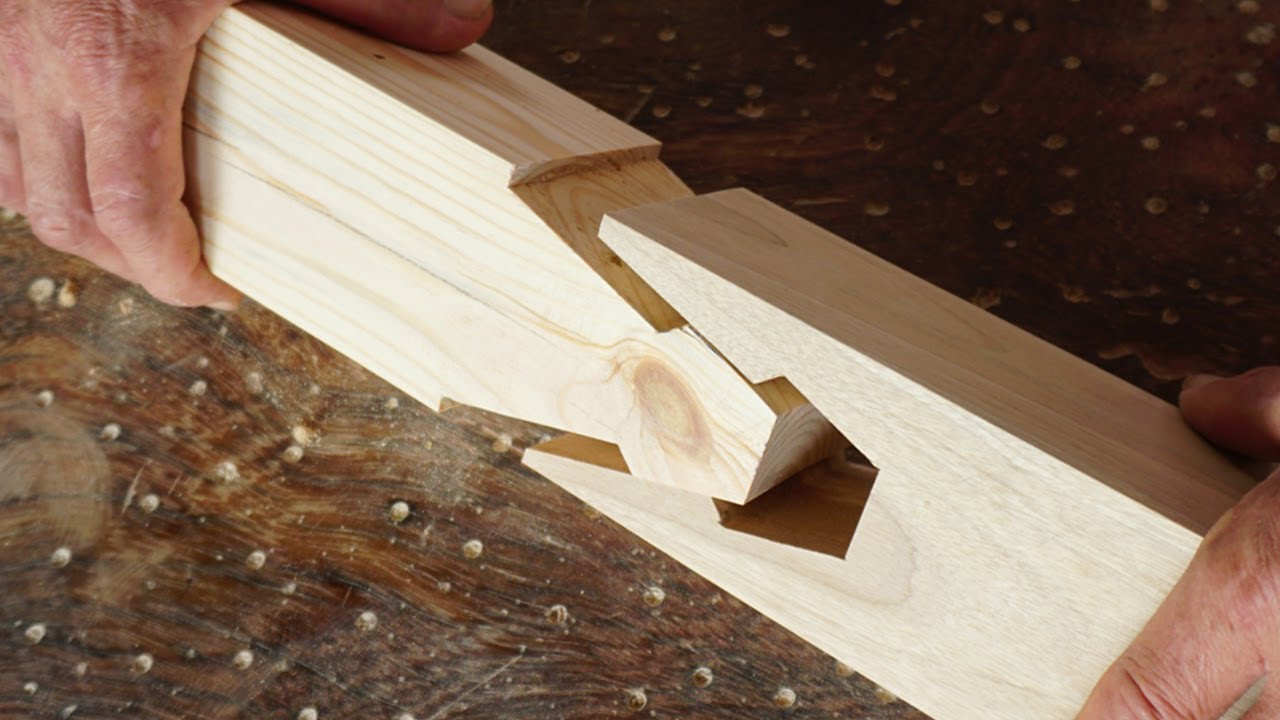
With your materials gathered and your spirit steeled, the great work begins. The construction of a longship is a saga in itself, a testament to patience, strength, and skill. It starts not with a bang, but with a single, foundational piece: the keel. Laying the keel is a moment of ceremony. This massive beam of oak is carefully shaped, its T-cross section providing the anchor point for the entire hull. To this backbone, the gracefully curved stems for the bow and stern are attached using complex and incredibly strong scarfed joints, secured with wooden pegs and iron nails.
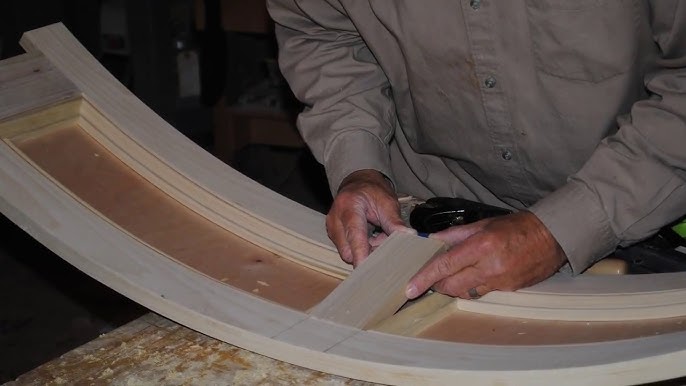
Once the spine is complete, the skeleton takes shape. The ribs, or frames, are shaped from those naturally curved timbers you sought in the forest. In the Viking method, however, the ribs are not installed first. The hull is built first, a shell of overlapping planks, and the ribs are fitted into it afterward. This shell-first construction is a hallmark of the clinker tradition. The first planks to be attached are the garboard strakes, which connect directly to the keel. From here, you work your way up, one plank at a time. Each new strake is temporarily clamped to the one below it, overlapping by an inch or two. The fit must be perfect, a process of constant shaping, checking, and shaving with a drawknife. When the fit is right, you begin the rhythmic work of riveting. Drill, drive the rivet, place the rove, and hammer. This percussive chant will become the soundtrack to your build, each rivet a note in the song of creation.
As the hull rises, a beautiful, sweeping form emerges from the wood chips and sawdust. It will seem impossibly fragile at first, but as more strakes are added, its inherent strength becomes apparent. Once the hull reaches its full height, it is time to fit the ribs. These internal frames are carefully scribed and cut to fit the exact curvature of the hull and are then secured to the planks, often with lashings made from spruce root. This non-rigid attachment is another key to the longship’s flexibility. Crossbeams, known as thwarts, are then installed. These not only provide lateral strength but also serve as the benches for the rowers.
Now the ship truly looks like a ship. The focus shifts to its heart of power: the mast and sail. A massive block of oak, the mast step or *kerling*, is set into the keel and ribs at the ship’s center. This foundation is designed to withstand the incredible forces of the sail. The mast itself, a tall spar of straight-grained pine, is stepped, and the rigging, traditionally of hemp rope, is set. The final touches bring the beast to life. The *steerboard*, a large side-mounted rudder, is fitted to the starboard quarter (a name derived from ‘steer-board side’). And, of course, no drakkar is complete without its figurehead. Whether you carve a fearsome dragon, a coiled serpent, or a stoic warrior’s head, this is the ship’s face to the world. Finally, the entire vessel is coated in pine tar, a ritual that both protects the wood and anoints the ship, preparing it for its journey into the water. Launching your longship for the first time is not just the end of a project; it is the birth of a legend, a tangible connection to the fierce spirit of the North that courses through every thread of its being.

 vikings

