
The first impression: stepping back in time
The scent hits you first. It’s a rich, primal mix of woodsmoke, roasting meat, and damp earth. Then, the sounds: the rhythmic clang of a hammer on an anvil, the hearty laughter of bearded men, the distant skirl of a flute, and the low murmur of a hundred conversations weaving a tapestry of sound. You part the flap of a canvas tent and step out, not into the 21st century, but into a bustling Norse encampment. This is the heart of a modern Viking festival, a place where history is not just remembered, but relived.
For the uninitiated, a Viking festival can seem like a fantasy convention. But for those who look closer, it’s a vibrant, immersive celebration of culture, craftsmanship, and community. These gatherings are far more than just costumes and drinking horns; they are mobile museums and living history workshops where ancient skills are painstakingly preserved and passed on. They are a tribute to the Norse spirit, a gathering of clans from all walks of modern life, united by a shared passion for the Viking Age. Here, accountants become blacksmiths, software developers become shield-maidens, and historians become skalds, telling tales around the fire. It’s a place to connect with the past on a visceral level, to feel the weight of a chainmail hauberk, and to understand the skill required to forge a simple nail. This is where custom Viking creations are born, tested, and celebrated.
The forge and the anvil: the heartbeat of the viking camp
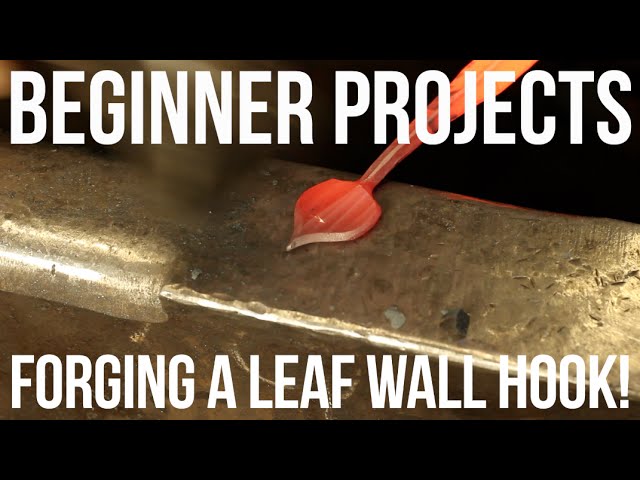
Wandering through the rows of canvas and hide tents, your ears will inevitably lead you to the smithy. It is the soul of any Viking settlement, both ancient and modern. The blacksmith’s corner is a whirlwind of intense heat, focused energy, and raw creation. Here, you’ll see artisans, their faces smudged with soot and sweat, transforming bars of mundane steel into objects of deadly beauty and practical function. The rhythmic pulse of the hammer striking glowing metal is a hypnotic song of creation, a sound that has echoed through the ages.
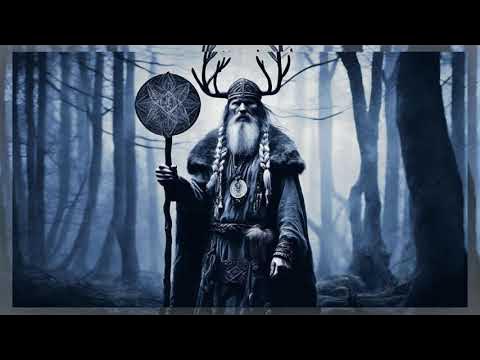
This is where you see true mastery at work. A smith might be forging a seax, the iconic single-edged knife of the Vikings, carefully hammer-welding a harder steel edge to a softer iron spine for a blade that is both sharp and resilient. They might be crafting intricate Thor’s hammer pendants, twisting and shaping the metal with a deftness that belies the brute force involved. But it’s not just about weapons. They create everyday essentials: nails for shipbuilding, hinges for chests, hooks for cooking pots, and strikers for making fire. Each piece is a testament to a deep understanding of metallurgy and a respect for historical accuracy. Many reenactors and enthusiasts commission custom pieces here, ensuring their gear is not just visually correct, but also forged using period-appropriate techniques.
Beyond the forge, other artisans practice their ancient crafts. You’ll find leatherworkers meticulously tooling intricate knotwork onto belts, pouches, and bracers. The sharp, clean scent of tanned hide fills their workspace as they cut, sew, and stamp, creating durable goods that are essential for any Viking’s kit. You will see woodcarvers, chips of ash and oak flying as they shape everything from ornate god-idols to simple, elegant spoons. Their work reminds us that the Vikings’ world was built of wood, from their longships to their homes. And then there are the jewelers, working with silver and bronze, casting intricate brooches to fasten a cloak or weaving delicate silver wire into bracelets, their designs echoing the treasures found in burial mounds across Scandinavia.
Dressed for the danelaw: authenticity in viking attire
One of the most visually striking aspects of a Viking festival is the clothing. This isn’t the horned-helmet-and-fur-bikini caricature of Hollywood. The reality is far more practical, comfortable, and beautiful. Authentic Viking attire, or “kit,” is a subject of intense research and passion for reenactors. It’s a world of natural fibers, hand-stitching, and subtle status symbols.
The foundation of any Viking’s wardrobe, male or female, was linen and wool. A simple linen under-tunic, or ‘serk,’ was worn against the skin for comfort. Over this, a woolen tunic, or ‘kyrtill,’ provided warmth. The wool was often dyed with natural pigments derived from plants like woad (for blues), madder root (for reds), and weld (for yellows), creating a surprisingly colorful palette. The quality of the fabric and the vibrancy of the color were clear indicators of wealth and status. A powerful jarl might wear a tunic of fine, brightly dyed wool, perhaps decorated with silk trim imported from Byzantium, while a humble farmer would wear coarser, undyed ‘wadmal’ wool.
For men, simple woolen trousers, either loose or fitted, were held up by a belt. For women, the iconic garment was the ‘hangerok’ or apron-dress, a tube of fabric worn over the under-dress and held up by two straps, which were fastened at the shoulders with ornate oval brooches. These brooches were not just decorative; they were a woman’s treasury, often made of bronze or silver, from which she might hang keys, a knife, or other essential tools. Looking closely at the clothing, you’ll notice the details: the hand-spun thread, the visible running stitches, and the intricate tablet-woven bands that adorned necklines and cuffs. These are not costumes; they are functional, historically-informed garments made to withstand the rigors of camp life, from chopping wood to sparring in the fighting circle.
The clash of steel and the roar of the shield wall
No Viking festival is complete without the visceral thrill of combat. The fighting circle is where the warrior spirit of the North is put on full display. This is not theatrical sword-swinging; it is a full-contact martial art, practiced with discipline, honor, and a deep respect for safety and history. The combatants are clad in protective gear that is both functional and period-accurate: padded gambesons, leather lamellar, and chainmail hauberks. Helms, often of the ‘spangenhelm’ construction with a protective nasal guard, protect the head.
The most iconic element is, of course, the shield wall. Two lines of warriors lock their round shields together, creating a formidable defensive barrier bristling with spear points. The command to “form wall” rings out, and individuals become a single, powerful unit. They advance, shields overlapping, absorbing charges and probing for weaknesses in the opposing line. The sound is deafening—the thunderous crash of steel on wood and metal, the guttural war cries, and the sharp commands of the leaders. It’s a brutal, chaotic dance where teamwork and courage are paramount.
You’ll see a variety of weapons in action. The spear, the most common weapon of the Viking Age, is used to thrust at opponents over and through the shield wall. The axe, from the small, fast hand-axe to the fearsome two-handed Dane axe, is a devastating weapon capable of hooking shields and crushing helms. Swords, expensive and high-status weapons, are carried by the wealthiest warriors, their flashing blades a blur in one-on-one combat. Watching these reenactors, you gain a profound appreciation for the skill, strength, and sheer bravery required to stand in a shield wall, holding the line against a determined foe.
Feasting and fellowship: the social fabric of the festival
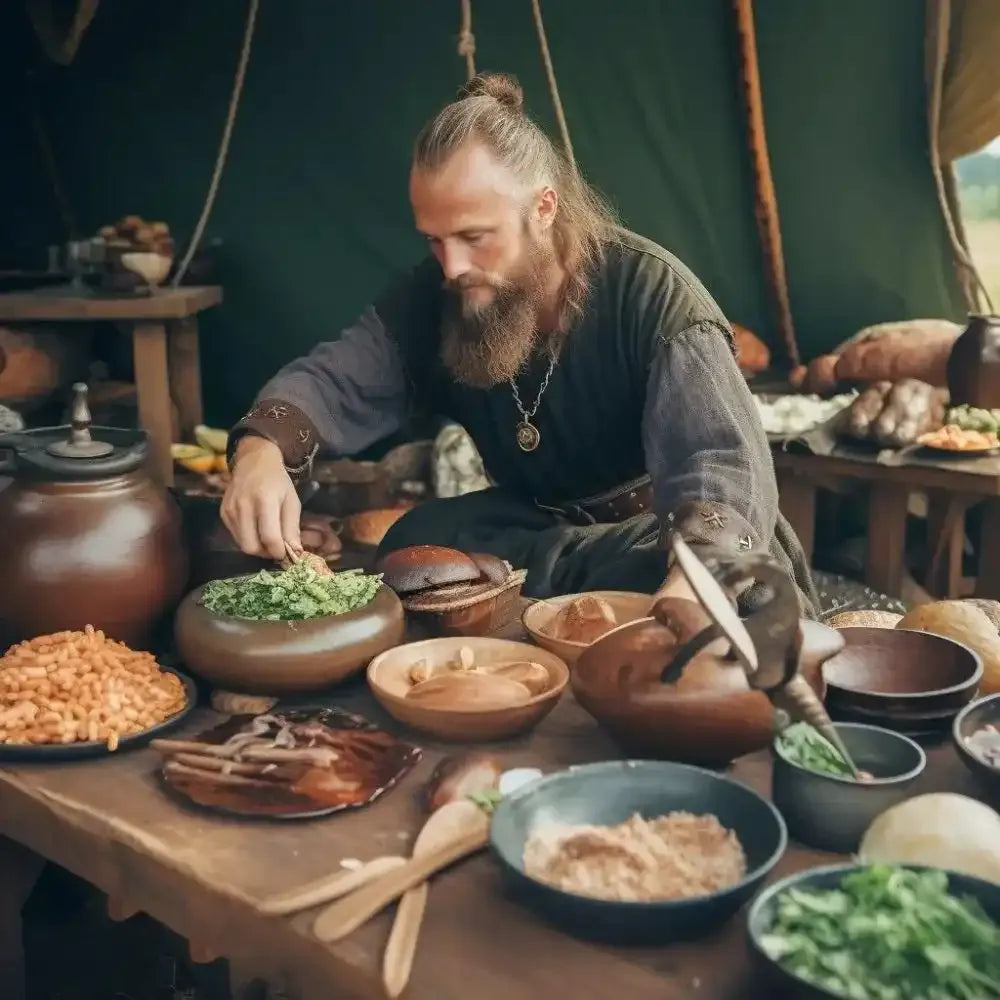
When the sun sets and the weapons are put away, the festival transforms. The great fires are stoked, casting a warm, flickering glow over the camp. This is the time for feasting, storytelling, and fellowship. The air fills with the aroma of stews bubbling in iron cauldrons, of bread baking on hot stones, and of honey-sweet mead being poured from clay jugs into drinking horns. The community gathers, sharing food and drink, their faces illuminated by the firelight.
This is where the social heart of the Viking age is recreated. A skald might stand to recite a saga, their powerful voice weaving epic tales of gods, heroes, and legendary battles. Musicians play haunting melodies on bone flutes, lyres, and taut-skinned drums, their music a backdrop to the laughter and conversation. People gather to play historical games like Hnefatafl, a strategic board game often called ‘Viking chess.’ It’s in these quiet, communal moments that the spirit of the festival truly shines. It’s a reminder that the Vikings were not just warriors; they were farmers, traders, explorers, and poets. They were people who valued family, honor, and the bonds of community. In sharing a meal and a story around the fire, modern enthusiasts are not just recreating a tradition; they are forging the same bonds of kinship that held Norse society together over a thousand years ago. It’s this profound sense of connection—to the past, to the crafts, and to each other—that keeps people coming back, year after year, to live the Viking way.

 vikings


