
The Upper Realms: Forging divinity in Asgard, Vanaheim, and Alfheim
Our journey begins high in the branches of the World Tree, where the realms of gods and elves shimmer with otherworldly light. These are not places of mortal men, but their stories, values, and aesthetics provide a deep well of inspiration for the most ambitious custom Viking creations. When you seek to craft gear that speaks of power, wisdom, and ethereal beauty, look to the upper realms.
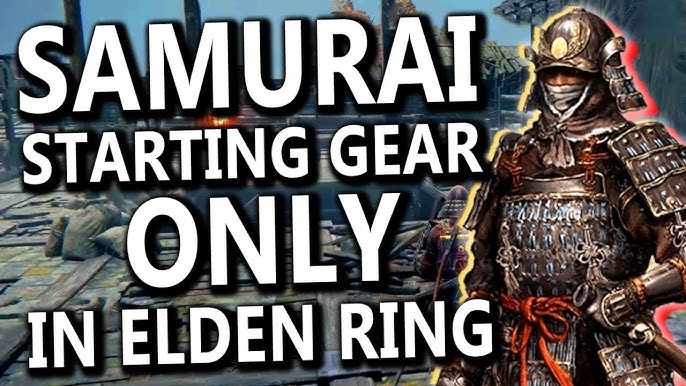
Asgard, the fortress of the Aesir gods, is a realm of order, strength, and divine authority. It is the home of Odin, the Allfather, and Thor, the thunderer. Inspiration from Asgard is bold and martial. Think of custom Viking armor that isn’t just functional but is a work of art fit for a jarl. Picture a helmet with embossed knotwork depicting Odin’s ravens, Huginn and Muninn, symbolizing thought and memory. A warrior’s breastplate could be etched with the protective symbol of Mjolnir, not just as a pendant, but as a central, powerful motif. The materials here are noble: polished steel that shines like the Bifrost bridge, accented with brass or even gold leaf. The fabrics for a tunic worn beneath such armor would be rich and deep, dyed in crimson or royal blue, their hems trimmed with intricate, geometric patterns that speak of divine order and might.
In contrast, yet equally divine, is Vanaheim, home of the Vanir gods. This is the realm of Freya and Freyr, deities of fertility, nature, and powerful magic (seidr). Vanaheim inspires creations that are more connected to the earth and the flow of life. Here, the focus shifts from the cold steel of war to the vibrant warmth of peace and prosperity. For your custom Viking clothing, consider flowing tunics and dresses made from fine, soft wool or breathable linen. The embroidery would move away from martial symbols and embrace the natural world: twisting vines, blossoming flowers, and the powerful forms of Freyr’s boar, Gullinbursti, or the cats that pull Freya’s chariot. The color palette would be drawn from the earth itself—deep greens, rich browns, and the gold of a summer sunset. Accessories inspired by Vanaheim might include polished amber beads, carved bone fertility symbols, and leather belts stamped with swirling, organic patterns that evoke the untamed magic of the wild.
Nearby lies Alfheim, the land of the light elves. This realm offers an aesthetic of grace, artistry, and ethereal beauty. Light elf-inspired gear is less about brute strength and more about elegance and skill. Imagine a finely crafted leather bracer, tooled with delicate, swirling patterns that seem to move in the light. Or a silver brooch, worked into an intricate design that is both complex and weightless. Clothing from Alfheim would be made from the lightest fabrics, perhaps fine, undyed linen or silk, adorned with shimmering silver thread. It’s the perfect inspiration for the garb of a skald, a seer, or a noble who values beauty and craft as much as strength. By channeling the spirits of these three upper realms, you can create pieces that tell a story of divinity, magic, and the highest aspirations of Norse culture.
The Mortal Coil: Weaving the sagas of Midgard and Jötunheim
Descending the trunk of Yggdrasil, we arrive in the realms that define the central conflict of the Norse sagas: Midgard, the world of mortals, and Jötunheim, the formidable land of the giants. These two realms are locked in an eternal struggle, and their contrasting natures provide a fantastic blueprint for creating Viking gear that is either historically grounded and practical or primal and savagely powerful.
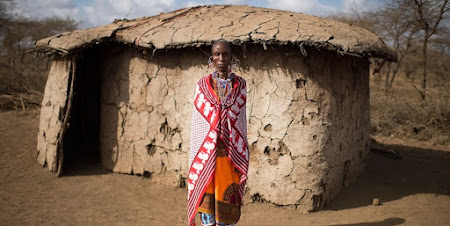
Midgard is our world, the realm where history and mythology meet. The inspiration drawn from here is rooted in authenticity and function. This is the heart of traditional Viking attire. The Norsemen of Midgard were farmers, explorers, traders, and warriors, and their clothing reflected the harsh realities of their lives. When designing custom pieces inspired by Midgard, focus on durable, natural materials. Think of a thick, hand-woven wool tunic, dyed with plants found in the Nordic landscape—muted yellows from onion skins, earthy browns from walnut shells, or the deep blue of woad. Your leather belt wouldn’t just be decorative; it would be a sturdy tool belt, holding your knife, pouch, and perhaps a drinking horn. Customization here is subtle and personal. It’s the small, hand-carved toggle on your cloak, the unique weave of the trim on your kyrtle, or a single bead on a leather cord that was a gift from a loved one. Armor from Midgard is practical: a simple Spangenhelm helmet, a leather-backed mail shirt, and a sturdy round shield. The beauty of Midgard-inspired gear lies in its purposefulness. Every stitch, every rivet, and every piece of leather serves a function, telling the story of a life of resilience, community, and survival in the fierce North.
Stretching beyond the borders of Midgard lies Jötunheim, the wild and chaotic realm of the jötnar, or giants. This is a land of untamed mountains, frozen rivers, and ancient forests. It represents the raw, elemental forces of nature that the Norse both respected and feared. To channel Jötunheim in your custom creations is to embrace a more primal and intimidating aesthetic. Forget polished steel and delicate embroidery; the giant-kin style is about raw power. Imagine a heavy cloak made from unshorn sheepskin or the pelt of a bear, offering unmatched warmth and a formidable silhouette. Armor would be thick, rugged leather, perhaps adorned with horn, bone, or large, unrefined iron plates. The metalwork would be rough-hewn, bearing the marks of the hammer. The symbolism is one of untamed strength: jagged mountain peaks carved into a bracer, or the snarling face of a frost giant tooled into a leather pauldron. This is the gear of the berserker, the wild warrior who draws strength not from discipline, but from raw, untamable fury. It’s a powerful choice for those who want their Viking attire to convey a sense of primal force and a deep connection to the unforgiving wilderness.
The Primordial Depths: Crafting from the fire and shadows of the lower realms
At the roots of the great Yggdrasil lie the foundational realms, places of elemental power, unparalleled craftsmanship, and the somber reality of the underworld. These realms—Muspelheim, Svartalfheim, and Niflheim—offer inspiration for Viking creations that are dark, masterfully made, and deeply symbolic. They speak of the foundational forces that bind the cosmos: fire, earth, and ice.
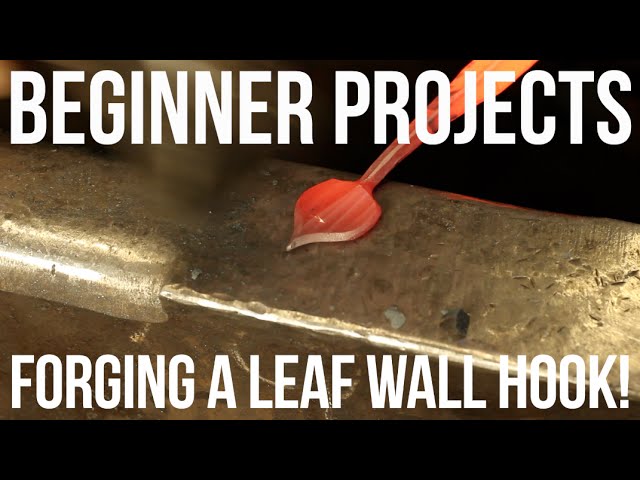
First is Muspelheim, the primordial realm of fire and home to the fire giants, led by the formidable Surtr. This realm is pure, creative, and destructive energy. It is the heat of the blacksmith’s forge, where ore is transformed into a warrior’s blade and a farmer’s tool. To draw inspiration from Muspelheim is to honor the smith. Custom Viking armor can be given a blackened, heat-treated finish, with edges that gleam like cooling embers. Inlays of copper or brass can be used to create patterns that mimic flowing lava or flickering flames. On a leather piece, you could tool the image of Surtr’s flaming sword, a symbol of cosmic finality. Even textiles can carry the spirit of Muspelheim, with tunics dyed in fiery shades of red, orange, and black, and embroidery that uses stark, aggressive lines to represent the destructive and life-giving power of fire.
Deeper in the earth lies Svartalfheim, also known as Nidavellir, the realm of the dvergr, or dwarves. The dwarves are the master craftsmen of the Nine Realms, the legendary smiths who forged Mjolnir for Thor, Odin’s spear Gungnir, and countless other treasures for the gods. Svartalfheim is the ultimate inspiration for any custom creation that values artistry above all else. This is where you focus on the details. Think of a silver Thor’s hammer pendant, but one covered in filigree so fine it seems impossible. Imagine a belt buckle with impossibly complex knotwork, or a set of brooches inlaid with precious stones and garnet. The dwarven aesthetic is not about size, but about perfection in a small space. It’s about taking the finest materials—steel, silver, gold, and gems—and working them with a skill that borders on the magical. When you want to create a true heirloom piece, a testament to the highest form of Norse-inspired craftsmanship, you are channeling the spirit of Svartalfheim.
Finally, we reach Niflheim, the primordial realm of ice, mist, and darkness, which also contains Helheim, the land of the dead. This is a stark, cold, and somber realm. The inspiration here is minimalist, mysterious, and deeply meaningful. Gear inspired by Niflheim uses a muted color palette: the whites, grays, and blacks of a winter landscape. A heavy wool cloak could be left undyed, its natural off-white color evoking the snows of the deepest winter. Jewelry would be made of simple, polished silver or iron, perhaps shaped like shards of ice or etched with runes for protection on a dark journey. Symbols like the Valknut, associated with Odin and the fallen slain, are perfectly at home here. It’s an aesthetic that speaks of introspection, fate, and the stark beauty of the cycle of life and death. Your custom creation doesn’t have to be bright and loud to be powerful. Sometimes, the most profound statement is made through the quiet, chilling whisper of the frozen depths.

 vikings


