
The roots of creation: Asgard, Vanaheim, and Alfheim
At the very heart of Norse cosmology stands Yggdrasil, the mighty World Tree. Its branches scrape the heavens and its roots delve into the unknown, a cosmic pillar connecting all of existence. It is not merely a tree, but an eternal witness to the lives of gods, giants, and men. Its rustling leaves whisper tales of the Nine Realms, each a unique world teeming with its own character, challenges, and aesthetics. For us, the modern shield-brothers and shield-maidens who seek to honor the old ways, these realms offer a boundless well of inspiration for our custom Viking creations. Every piece of clothing, every forged accessory, can be a tribute to one of these legendary worlds. It’s about more than just wearing a garment; it’s about draping yourself in a story, carrying the essence of a realm in every thread and buckle. Let us embark on a journey through Yggdrasil’s boughs and discover how the spirit of the Nine Realms can be woven, forged, and carved into your personal Norse attire.
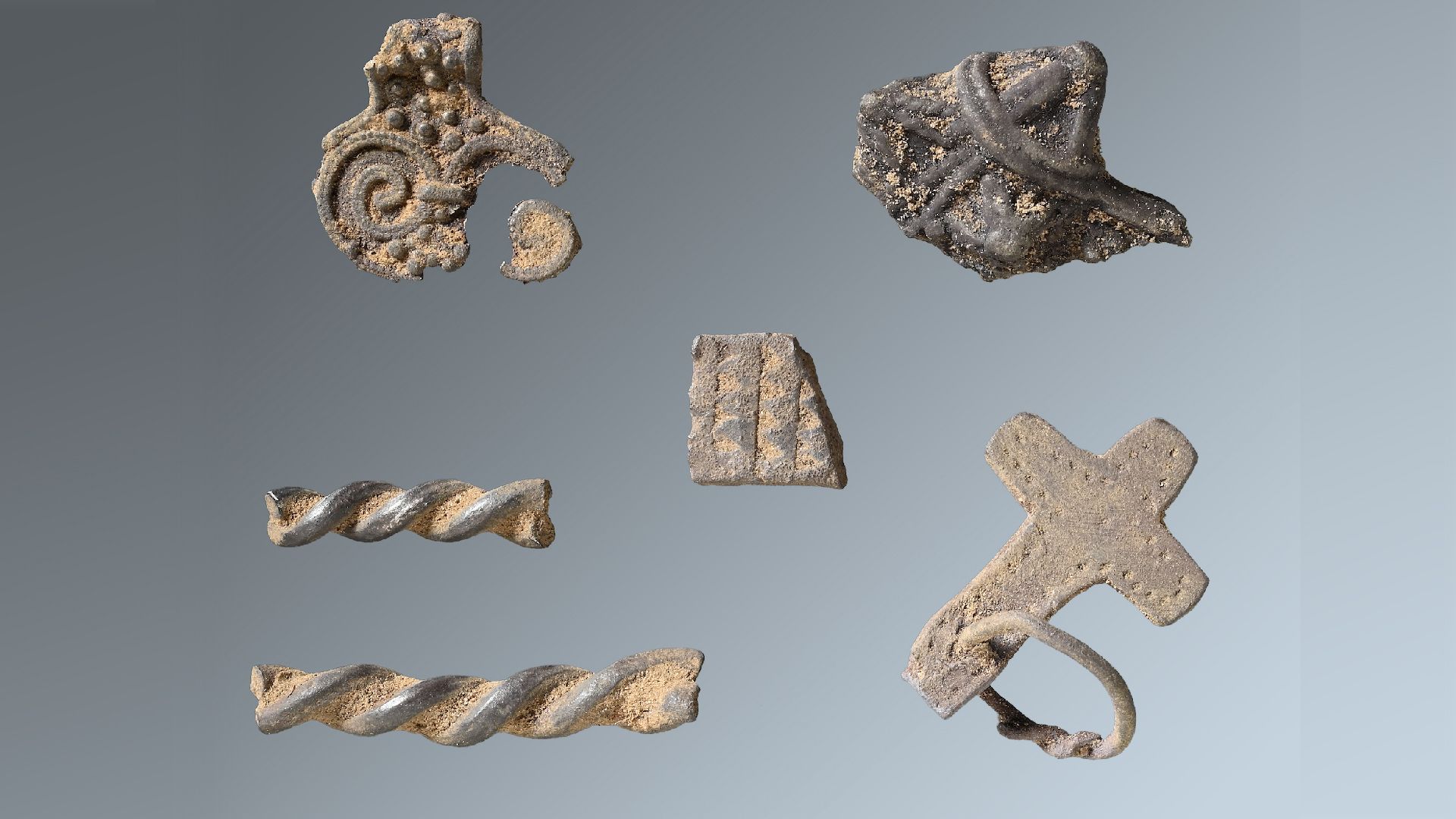
Our journey begins in the upper branches, among the realms of divine light and ancient magic. This is the domain of gods and elves, where craftsmanship is elevated to an art form and power is worn like a mantle.
First, we look to Asgard, the fortress of the Aesir gods. Imagine the golden halls of Valhalla, where Odin presides over feasts for fallen heroes. The inspiration here is one of nobility, strength, and divine authority. Custom creations inspired by Asgard should feel regal and powerful. Think of a deep blue or crimson wool tunic, its collar and cuffs adorned with intricate gold or silver embroidery depicting Odin’s ravens, Huginn and Muninn, or his loyal wolves, Geri and Freki. For the warrior, Asgardian armor would be more than just functional; it would be a statement. Picture steel plates etched with runes of victory or the fearsome visage of Thor’s hammer, Mjolnir. Accessories would include finely crafted silver arm rings, symbols of loyalty and wealth, and cloak clasps shaped like the knotwork that guards the Bifrost bridge.
Next, we travel to Vanaheim, the home of the Vanir deities like Freya and Freyr. This realm is intrinsically tied to nature, fertility, and the deep, wild magic of seidr. Its aesthetic is less about martial glory and more about the untamed beauty of the earth. Vanaheim-inspired attire would utilize natural, flowing fabrics like soft linen and undyed wool. The color palette would be drawn from the forest: mossy greens, rich earth browns, and the pale gold of ripening wheat. Embroidery would feature swirling vine patterns, blooming flowers, or symbols of the harvest. A custom creation from this realm might be a long, flowing kirtle for a shield-maiden, with sleeves embroidered with life-giving symbols, or a simple leather belt for a warrior, adorned with carved wooden beads and a pouch for carrying herbs or runestones. Jewelry would favor natural materials like amber, bone, and carved wood, reflecting a deep connection to the land and its cycles.
Finally, in the upper reaches, we find Alfheim, the luminous realm of the light elves. Known for their otherworldly beauty and mastery of art, the elves inspire creations of supreme elegance and delicate craftsmanship. An Alfheim-inspired piece is all about refinement. Think of garments made from the finest, lightest materials, perhaps even silk traded from distant lands. The colors are ethereal: pearly whites, sky blues, and shimmering silvers. The focus is on intricate detail, such as delicate silver filigree work on brooches and pendants, or clothing with subtle, shimmering threads woven into the fabric itself. Designs would be graceful and fluid, avoiding the hard, angular lines of war in favor of patterns that evoke light, air, and magic. This is the attire of the mystic, the poet, and the noble whose power lies not in brute force, but in wisdom and grace.
The mortal and elemental planes: Midgard, Jotunheim, and Muspelheim
Descending from the divine branches, we arrive at the central trunk of Yggdrasil, where the realms are defined by struggle, raw power, and the resilience of life itself. These are worlds of conflict and survival, providing a powerful, grounded inspiration for any Viking creator.
At the very center of it all lies Midgard, the Realm of Humans. Protected by Asgard but surrounded by chaos, Midgard is our world. The inspiration drawn from here is one of pragmatism, durability, and a deep sense of community. Midgardian attire is the heart of historical Viking clothing. It is built to last, to withstand the harsh northern seasons and the rigors of daily life, from farming the land to raiding across the sea. Think of sturdy, practical wool tunics in earthy tones, reinforced with leather at the stress points. Trousers would be comfortable and allow for free movement, while a simple iron or bronze brooch would fasten a heavy cloak against the wind. Leatherwork is key: wide belts to support tools and a seax, durable turn-shoes for long journeys, and simple bracers to protect the arms. A Midgard-inspired creation is not flashy; it is honest, reliable, and tells the story of a life lived with strength and resolve.
Beyond the borders of civilization, we find Jotunheim, the wild and perilous land of the giants (Jotnar). This is a realm of untamed nature—crushing mountains, frozen rivers, and dark, ancient forests. The aesthetic of Jotunheim is raw, primal, and immense. Creations inspired by this realm should feel massive and formidable. Cloaks would be made of thick, untrimmed fur from bear or wolf, providing maximum warmth and an intimidating silhouette. Armor would be heavy and functional, perhaps featuring jagged edges or a hammered, unpolished finish that speaks of brutal strength. Jewelry would be less about fine metalwork and more about raw materials wrested from the earth. Think large, unrefined stone pendants, necklaces of bone and teeth, and massive iron arm rings that look like they could shatter a shield. The spirit of Jotunheim is one of chaotic power and survival against the odds.
In stark contrast, we journey to the fiery depths of Muspelheim, the primordial realm of fire. Ruled by the fire giant Surtr, this is a world of eternal flame, molten rock, and searing heat. The inspiration here is one of destruction, transformation, and relentless power. The color palette is unmistakable: fiery reds, burning oranges, and the deep, charcoal black of cooled lava. For the blacksmith, Muspelheim is the ultimate muse. Custom armor could be blackened steel, with edges that seem to shimmer with an inner heat, or inlaid with copper to resemble veins of lava. Leather could be dyed a deep crimson or branded with flame-like patterns. Symbolism would center around Surtr’s flaming sword, swirling embers, and the raw, destructive force of fire. A Muspelheim-inspired creation is not for the faint of heart; it is a bold statement of intensity and untamable spirit, perfect for the warrior who fights with unbridled fury.
The shadowed roots: Svartalfheim, Niflheim, and Helheim
Our final descent takes us to the roots of the World Tree, to the realms of darkness, craft, and echoes. These are the hidden worlds, where treasures are forged in secret and the final destinies of souls are decided. The inspiration here is subtle, profound, and often somber, offering a unique depth to our custom creations.
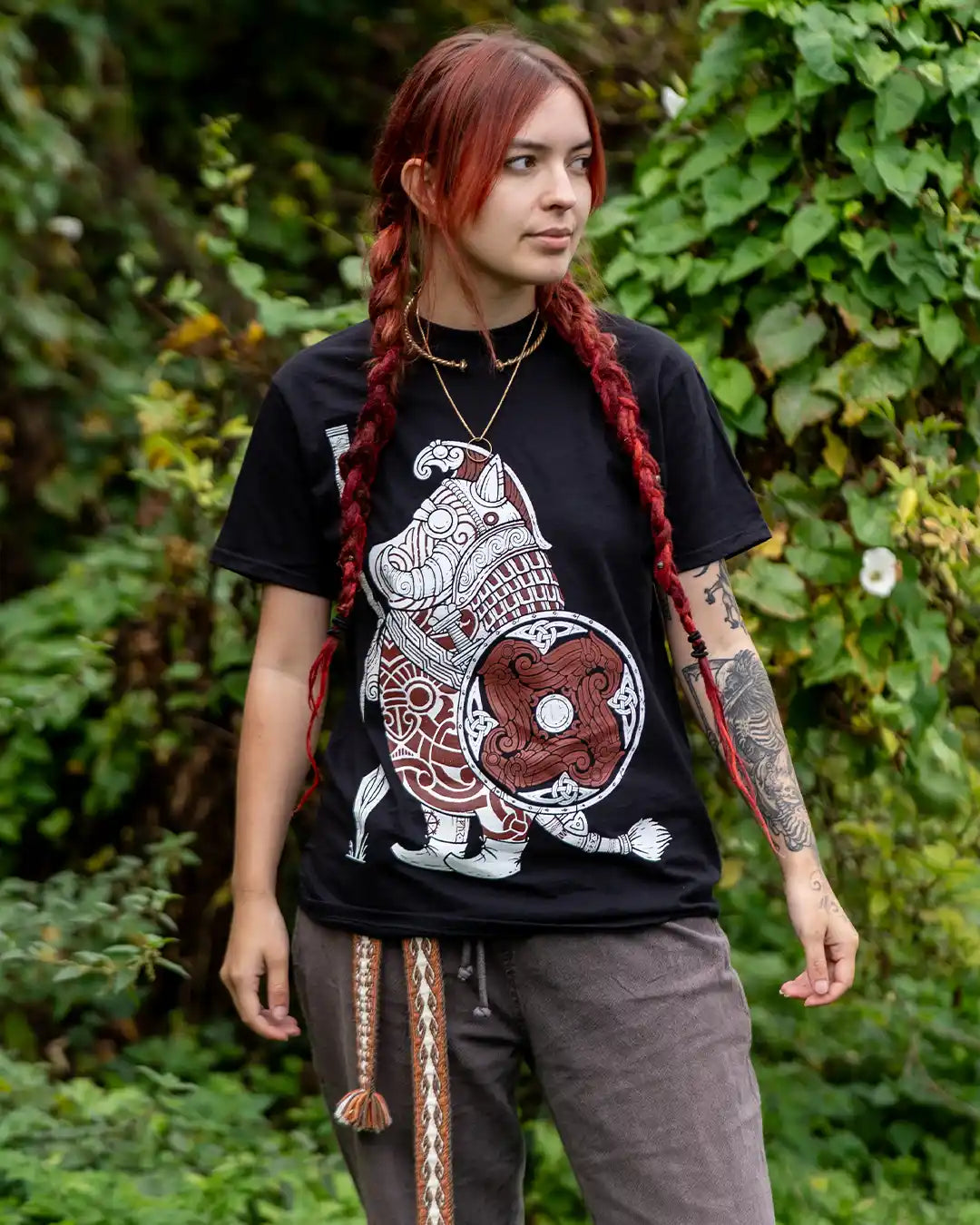
Deep within the earth lies Svartalfheim, the subterranean home of the dwarves. These are the undisputed master craftsmen of the Nine Realms, forging legendary artifacts for the gods. The aesthetic of Svartalfheim is a celebration of masterful skill, intricate detail, and the treasures of the earth. Any piece inspired by this realm must exhibit superior craftsmanship. Think of complex, dense knotwork carved into a belt buckle or an axe handle. Imagine a set of finely woven chainmail, each ring perfectly interlocked. Jewelry would be a primary focus, with silver and gold intricately worked and set with deep-colored gems like garnet and amethyst. The designs are often geometric and angular, reflecting the precision of a master smith. The color palette is dark and subterranean—charcoal greys, deep browns, and the glint of polished metal. To wear a Svartalfheim-inspired piece is to carry the legacy of the greatest artisans the cosmos has ever known.
Adjacent to the darkness is Niflheim, the primordial realm of ice, mist, and fog. It is one of the two original realms, an ancient and desolate landscape of unrelenting cold. The inspiration here is one of stark, chilling beauty and profound emptiness. The color palette is muted and cold: frosty whites, misty greys, and the pale, ethereal blue of glacial ice. Fabrics would be chosen to evoke this coldness, such as pale, undyed linen or the white fur of an arctic fox. Silver is the metal of Niflheim, its cool sheen perfectly capturing the glint of ice. Designs could be crystalline and fragmented, like shattered ice, or soft and indistinct, like rolling fog. A custom creation might be a white wool cloak fastened with a silver brooch shaped like a snowflake, or a tunic with subtle grey embroidery that fades in and out of the fabric like mist. This aesthetic is for those who find beauty in silence, solitude, and the stark landscapes of the far north.
Finally, our journey ends in Helheim, the realm of the dishonorable dead, ruled by the goddess Hel. This is not a place of fire and punishment, but a grim, shadowy underworld. The aesthetic is one of decay, fate, and quiet solemnity. It’s a somber and powerful source of inspiration. Colors are faded and dark: dusty blacks, moldy greens, and the grey of bone. Clothing would have an aged, worn look, perhaps with frayed hems or distressed leather to signify a long, hard existence. Motifs would be drawn from the myths surrounding this realm: the monstrous hound Garmr that guards its gates, skeletal imagery, or the gnarled roots of Yggdrasil that pierce its ceiling. A Helheim-inspired piece might be a dark leather bracer tooled with a skull motif or a tattered cloak that feels heavy with the weight of ages. It’s a style that embraces the darker aspects of the Norse cycle of life and death, appealing to those who walk a more shadowed path.
From the shining halls of Asgard to the misty plains of Helheim, the Nine Realms offer a universe of inspiration. Yggdrasil connects them all, and through our craft, we can draw upon their power and stories. Each tunic, belt, and arm ring becomes more than an object; it becomes a piece of a world, a whisper from the past. Choose the realm that calls to your spirit, and let its essence guide your hand in creating a truly personal piece of the Viking age.

 vikings


