
More than mere marks: The power and purpose of Norse symbols in attire
Step into the longhouse, the air thick with the scent of woodsmoke and beeswax. A Viking warrior is not defined solely by the sharpness of his axe or the might of his shield. Look closer. His identity, his faith, and his fate are etched into the very fabric of his being—and his clothing. The intricate symbols carved into his leather bracers, the runic verses embroidered on his woolen cloak, were far more than simple decoration. They were a living, breathing part of the Norse world, a tangible connection to the gods and the unseen forces that governed their lives.
For the Vikings, the world was alive with magic and meaning. Every rock, tree, and river held a spirit, and the gods were not distant figures but active participants in the drama of daily existence. To navigate this world, they needed more than courage; they needed power. This is where runes and symbols came into play. They were the language of this power, a way to invoke protection, seek victory, and declare one’s place in the rigid social structure of the Norse people.
The most famous of these symbols is the Elder Futhark, the 24-rune alphabet that was less a tool for mundane writing and more a sacred system of cosmic principles. Each rune held a specific phonetic sound, but more importantly, a deep conceptual meaning. The ‘Tīwaz’ rune (ᛏ) was not just the letter ‘T’; it was the embodiment of the war god Týr, a prayer for justice and victory in battle. A warrior might have this rune carved into the hilt of his sword or stitched into his glove, a direct appeal to the one-handed god for strength and righteous triumph. Similarly, the ‘Algiz’ rune (ᛉ), representing the antlers of an elk, was a powerful symbol of defense and protection, often worn as an amulet or embroidered onto the collar of a tunic to ward off evil.
Beyond the Futhark, other powerful symbols were deeply integrated into their attire. The Ægishjálmur, or Helm of Awe, was a formidable symbol of protection and fear, believed to render the wearer invincible and to paralyze enemies with terror. Imagine this intricate, spike-like symbol stamped onto the leather forehead plate of a helmet or tattooed directly onto a warrior’s brow. It was a psychological weapon as much as a spiritual one. The Valknut, the ‘knot of the slain’, was inextricably linked to Odin and the afterlife in Valhalla. A warrior wearing this symbol on a pendant or a belt buckle was declaring his unwavering devotion to the Allfather, ready to die bravely in battle and be chosen for the eternal feast.
These handcrafted marks transformed a simple piece of clothing into a spiritual artifact. A cloak wasn’t just for warmth; it was a shield against malevolent spirits. A leather belt wasn’t just for holding up trousers; it was a repository of strength and identity. Every time a Viking artisan picked up a tool, they were not just crafting an object—they were weaving destiny, carving protection, and dressing a warrior in the very power of the gods.
The craftsman’s touch: Tools and materials for runic artistry
The creation of these potent symbols was an art form passed down through generations, a testament to the resourcefulness and skill of Norse artisans. The materials were those drawn from the world around them—leather from their livestock, wool from their sheep, wood from the sacred forests, and bone from the hunt. The tools were often simple, but in the hands of a master, they could create works of profound beauty and power. Each medium presented its own challenges and opportunities, demanding a unique approach to imbue the material with symbolic meaning.
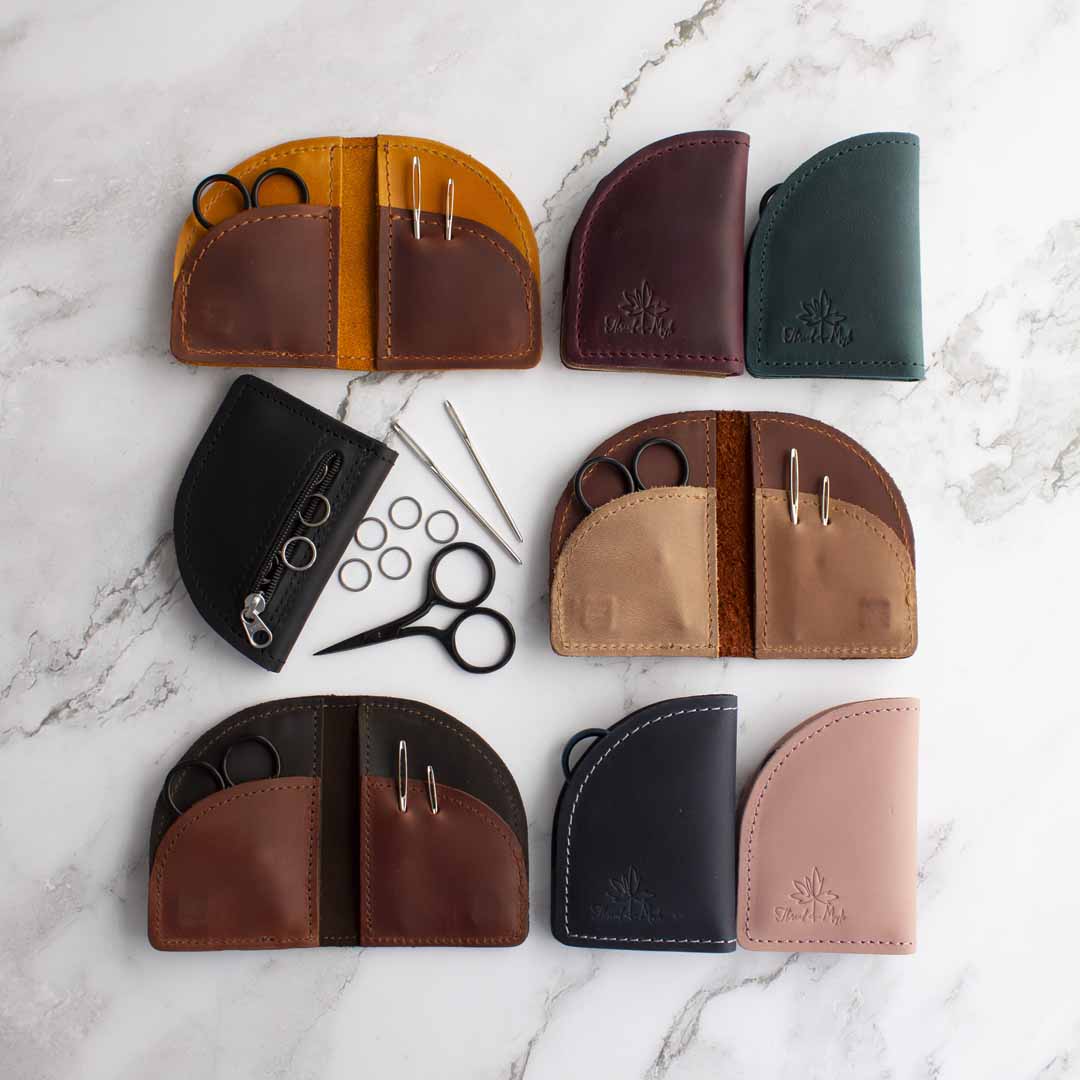
Leather was perhaps the most versatile canvas for the Viking craftsman. Supple yet durable, it was used for everything from boots and belts to armor and pouches. To inscribe runes onto leather, a craftsman might use a sharp, pointed knife or an awl to carefully carve the lines. This required a steady hand and a deep understanding of the material, as one slip could ruin the piece. After carving, the lines would often be darkened with a mixture of soot and oil to make them stand out. Another popular technique was stamping. Artisans would create small stamps from bone or metal, each bearing a single rune or symbol. These could then be heated and pressed into wet leather, leaving a permanent, crisp impression. Imagine a warrior’s belt, its entire length covered in a repeating stamped pattern of the ‘Fehu’ rune (ᚠ) to attract wealth and prosperity.
Textiles offered a softer, more colorful medium. Woolen tunics and cloaks were ideal for embroidery. Using a bone or bronze needle and thread spun from wool and dyed with natural pigments—fiery red from the madder root, deep blue from woad, and rich yellow from weld—women would stitch intricate runic patterns along the cuffs, collars, and hems of garments. This was not idle work; it was a meditative, spiritual practice. Each stitch was a whisper, a prayer woven directly into the cloth that would protect the wearer. A traveler might wear a cloak with the ‘Raidō’ rune (ᚱ) embroidered on the clasp to ensure a safe journey, its protective power physically wrapped around him.
Wood and bone were the materials of personal talismans. The Vikings believed certain trees, like yew and ash, held great spiritual power. A small piece of ash wood, perhaps from a branch of a tree struck by lightning, could be carved with runes and worn on a leather thong around the neck. Combs, a ubiquitous personal item, were often made of bone or antler and elaborately decorated with symbols to protect the user’s mind and thoughts. The tools for this work were simple knives and files. The artisan would painstakingly scrape and whittle the material into shape before incising the symbols, often filling the grooves with a dark paste to make them visible. These weren’t just objects; they were intimate companions, imbued with personal history and magical intent.
Finally, the work of the blacksmith brought symbols to life in metal. Brooches used to fasten cloaks, intricate pendants, and massive arm rings were forged and then decorated using punches and chisels. The iconic Mjölnir pendant, a symbol of Thor’s hammer, was a common sight, offering strength and protection against the forces of chaos. These metal objects were the ultimate status symbols, reflecting not only the wearer’s wealth but also their divine allegiances, their power glinting in the firelight of the mead hall.
Weaving your own saga: Iconic symbols and their place on Viking gear
To truly understand the art of Norse handcrafting is to know the language of its most powerful symbols and to envision where they belonged on a warrior’s attire. Each placement was deliberate, chosen to maximize the symbol’s intended effect. It was a sacred geometry of dress, where form and function met faith and folklore. By examining these key symbols, we can see how a Viking warrior literally wore their beliefs on their sleeve.

First and foremost is the Elder Futhark, the wellspring of runic power. While the entire alphabet was sacred, certain runes were particularly favored for personal attire:
- Fehu (ᚠ): Representing cattle, and by extension, mobile wealth and prosperity. This rune was perfect for a merchant’s leather pouch, a farmer’s tools, or embroidered subtly onto the cuff of a tunic. It was a prayer for abundance, a charm to attract good fortune and material success in a world where survival was never guaranteed.
- Uruz (ᚢ): The rune of the aurochs, the wild ox, this symbol embodied untamed strength, endurance, and vitality. A young warrior might wear this rune on an amulet or have it carved into their first leather bracer to grant them the raw physical power and fortitude needed for their first raid. It was a connection to primal, earthly strength.
- Thurisaz (ᚦ): The rune of the giant, or Thorn. It is a symbol of reactive, destructive force and protection. Often associated with Thor and his hammer, this rune was a powerful defensive ward. It would be placed on the outward-facing parts of gear, such as the shield’s boss or the front of a helmet, to actively repel and break incoming attacks, both physical and magical.
- Tīwaz (ᛏ): The rune of the sky god Týr. It represents victory, justice, and self-sacrifice. This was the quintessential warrior’s rune, a symbol of honor and righteous battle. It was inscribed on sword hilts, axe heads, and worn as a pendant, a direct line to the god who sacrificed his own hand for the good of all.
Beyond the individual runes, several powerful composite symbols, or Galdrastafir, held immense significance:
- The Helm of Awe (Ægishjálmur): An eight-armed symbol radiating from a central point, this was the ultimate sigil of protection and intimidation. Its rightful place was on the head—etched into a helmet, painted onto a warrior’s forehead with clay before battle, or tattooed there permanently. It was meant to be seen by the enemy, to strike fear into their hearts and cloud their minds with confusion.
- The Valknut: Three interlocking triangles forming the ‘knot of the slain’. This symbol was Odin’s own. It was not a mark for the faint of heart. Found on pendants, rings, or carved into memorial stones, it signified a warrior’s dedication to Odin. To wear it was to declare that you lived and fought under his watch, ready to die a glorious death and be carried by the Valkyries to the halls of Valhalla.
These were not just patterns. They were declarations of intent. By choosing which symbols to wear and where to place them, a Viking was telling a story—a saga of their allegiances, their aspirations, and their place in the cosmos. It was a visual language understood by all, a way of shaping one’s destiny through the art of the craftsman’s hand, turning every piece of attire into a chapter of their personal legend.

 vikings


