
Echoes of the World Tree: Midgard’s earthly threads
In the heart of Norse cosmology stands Yggdrasil, the immense and sacred ash tree that cradles the Nine Realms in its branches and roots. It is the axis of existence, a constant witness to the fates of gods, giants, and mortals. For the Norse people, this cosmic tree was not a distant, abstract concept; it was the very fabric of their reality. Its whispers were heard not just in the rustling of leaves but in the crackle of the hearth, the clang of the smith’s hammer, and the hum of the loom. This profound worldview was woven directly into their material culture, most notably in the garments they wore. Viking attire was far more than functional protection against the harsh northern climes; it was a statement of identity, a canvas of belief, and a tangible connection to the realms, starting with their own: Midgard.

Midgard, the ‘Middle-Earth,’ was the realm of humanity, a world carefully crafted by the gods from the body of the primordial giant Ymir and encircled by the impassable ocean where the great serpent Jörmungandr dwells. The clothing of the Vikings was, therefore, an honest reflection of their home. It was born of the earth, practical and resilient. The foundational materials were gifts from Midgard itself. Wool, shorn from sheep that grazed upon the green lands, was the cornerstone of their wardrobe. It was spun into thread and woven into the hardy, warm fabric known as ‘vaðmál’. This fabric formed the basis of the everyday kyrtill, a tunic worn by men, and the long, flowing gowns of women. Linen, cultivated from flax that grew in the fertile soil, provided a cooler, lighter alternative for undergarments and finer tunics, a welcome comfort during the fleeting summer months.
The colors of these garments were also drawn from Midgard’s palette. While modern portrayals often depict Vikings in drab browns and grays, archaeological evidence reveals a love for vibrant color. Dyes were painstakingly extracted from the world around them: woad for deep blues reminiscent of the northern sky, madder root for rich reds that echoed the lifeblood of both man and beast, and weld for brilliant yellows that captured the fleeting sun. Each color was a piece of the landscape, a way of carrying the essence of their realm upon their shoulders. The very act of creating these garments—shepherding the flock, harvesting the flax, foraging for dye-plants, spinning, weaving, and sewing—was a cycle that bound the Norse people intimately to their world. Their clothing was a testament to their resourcefulness and their deep-rooted place within the natural order of Midgard, the sturdy trunk from which their lives branched out.
Asgard’s valor: The divine forge of the Viking warrior
If Midgard’s attire was woven from the earth, then the Viking warrior’s gear was forged in the spirit of Asgard, the celestial realm of the Æsir gods. Perched high in the branches of Yggdrasil, Asgard was the home of Odin, Thor, and the pantheon of deities who governed war, wisdom, and order. For a warrior, to don armor was to do more than simply protect the body; it was to invoke the strength of the gods and wrap oneself in the very essence of divine might.
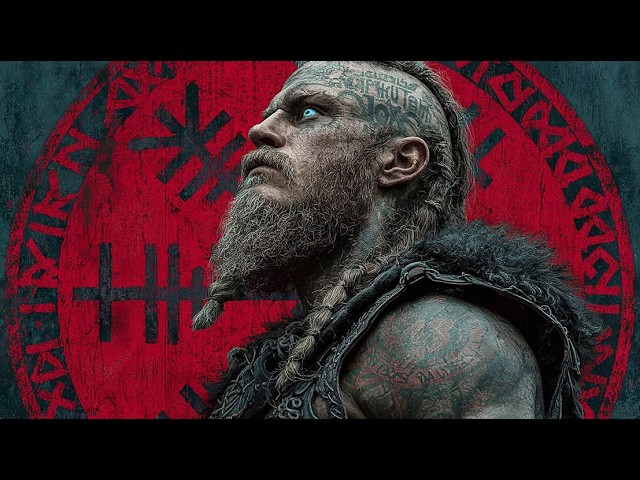
The legendary craftsmanship of Asgard, with its gleaming halls of Valhalla and impenetrable fortress walls, was a clear inspiration for the earthly smith. While the common warrior might have relied on a thick leather jerkin or a padded gambeson, the true symbol of a successful raider was the byrnie, a coat of mail. Each interlocking iron ring was a testament to countless hours of labor, creating a flexible shield that could turn a blade. This mail wasn’t just functional; it was a symbol of status and martial prowess, echoing the invincibility of Thor, whose strength protected Asgard from the giants of Jotunheim. The helmet was equally crucial. The simple conical or ‘spangenhelm’ designs, often featuring a protective nasal guard, were about pure function, but for chieftains and kings, they became canvases for divine invocation. Crests, engravings, and cheek guards could be adorned with symbols of power—the swirling knotwork of fate, the fierce visage of a beast, or the subtle outline of a raven, calling upon Odin’s all-seeing eyes.
Symbolism was the bridge between the warrior and his gods. Small amulets in the shape of Mjolnir, Thor’s mighty hammer, were incredibly common. Worn around the neck, they were a direct plea for the thunder god’s protection, strength, and fury in battle. On shields, weapons, and armor, one might find the Valknut, the ‘knot of the slain,’ a symbol intrinsically linked with Odin, marking the wearer as one sworn to the Allfather, ready to earn a place in Valhalla. The use of animal motifs was also rampant, drawing power from the spiritual world. The wolf, a creature of cunning and ferocity associated with Odin, and the bear, a symbol of berserker rage, were powerful totems. By adorning their gear with these images, warriors sought to channel the primal strength of these beasts, becoming something more than human—a vessel for the divine fury of Asgard itself. In this way, their battle attire was a prayer made manifest in iron, leather, and steel.
Realms of shadow and light: Adornments of giants and elves
Beyond the mortal coil of Midgard and the divine halls of Asgard, the other realms of Yggdrasil cast their influence upon Viking attire, often in more subtle and symbolic ways. These were the realms of elemental forces, masterful craftsmen, and ancient magic, and their essence was captured in the intricate details of jewelry, accessories, and ceremonial garments. The Vikings, ever aware of the interconnectedness of all things, wore these symbols as a form of respect, a source of power, or a ward against malevolent forces.
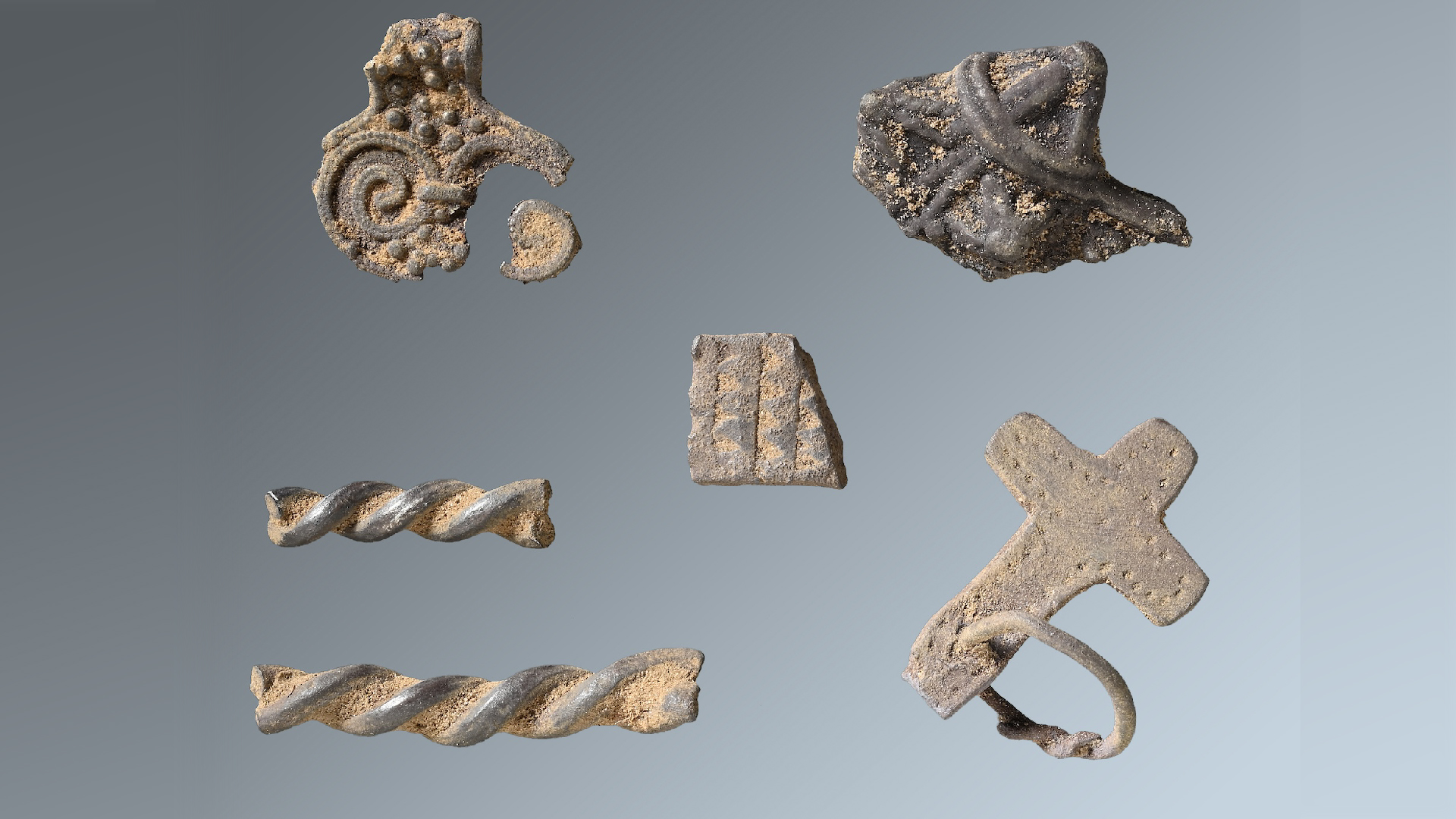
From the dark, subterranean realm of Svartalfheim came the inspiration for unparalleled craftsmanship. This was the home of the dwarves, the master smiths of the cosmos who forged the gods’ most legendary treasures, including Thor’s hammer and Odin’s spear. This mythical artistry was emulated by Norse artisans on earth. The intricate filigree and granulation work seen on Viking brooches, pendants, and rings speak of this dwarven influence. The famous oval brooches, used by women to fasten the straps of their hangerok (apron dress), were often miniature masterpieces of cast bronze or silver, covered in complex animal-style patterns from the Borre or Jelling styles. These were not mere fasteners; they were displays of wealth and artistry, a nod to the hidden treasures forged in the earth’s belly.
The elemental realms of Muspelheim, the land of fire, and Niflheim, the realm of ice, represented the cosmic duality of creation. This contrast can be seen in the materials and colors chosen for adornment. The fiery reds of carnelian and the warm, sun-like glow of amber could be seen as echoes of Muspelheim, worn to invoke passion, vitality, and courage. Amber, often called the ‘tears of Freya,’ was particularly prized, believed to hold the warmth of the sun within it. Conversely, the cool, clear gleam of rock crystal and the stark sheen of polished silver reflected the icy purity of Niflheim. These materials might have been worn for clarity of thought or as part of seidr rituals, the Norse practice of magic.
Finally, the realms of Alfheim, home of the light elves, and Vanaheim, home of the Vanir gods of nature and fertility, whispered their influence into the most delicate aspects of Norse attire. The intricate, flowing embroidery found on the cuffs and collars of high-status tunics and dresses, often depicting plant-like or swirling, graceful motifs, can be interpreted as a reflection of Alfheim’s beauty and magic. These were threads of light and life, starkly contrasting the martial symbols of the warrior. They represented growth, prosperity, and the magical forces of nature governed by gods like Freya and Freyr. A Völva, a seeress, might have worn garments adorned with such patterns, her clothing a map of the hidden, life-giving energies that flowed through the branches of Yggdrasil. Through these adornments, the Norse people wore the entire cosmos on their person—the fire of primordial giants, the artistry of the dwarves, and the magic of the elves, all bound together in the threads of their lives.

 vikings


