
Wear it: Viking Raven
Premium Norse-inspired apparel, made on demand.
🇺🇸 Fast US shipping · 🇪🇺 Ships across the EU · 🔒 Secure checkout
Who were the shieldmaidens of lore?
Close your eyes and listen. Beyond the roar of the sea and the crackle of the longhouse fire, you can hear it — the clash of steel, a defiant war cry, the song of a warrior’s spirit meeting its fate. In the heart of this Norse symphony stands a figure forged in fire and legend: the shieldmaiden. She is more than a historical footnote; she is an archetype, a symbol of female strength and ferocity that echoes from the pages of the sagas to the very soul of the North.
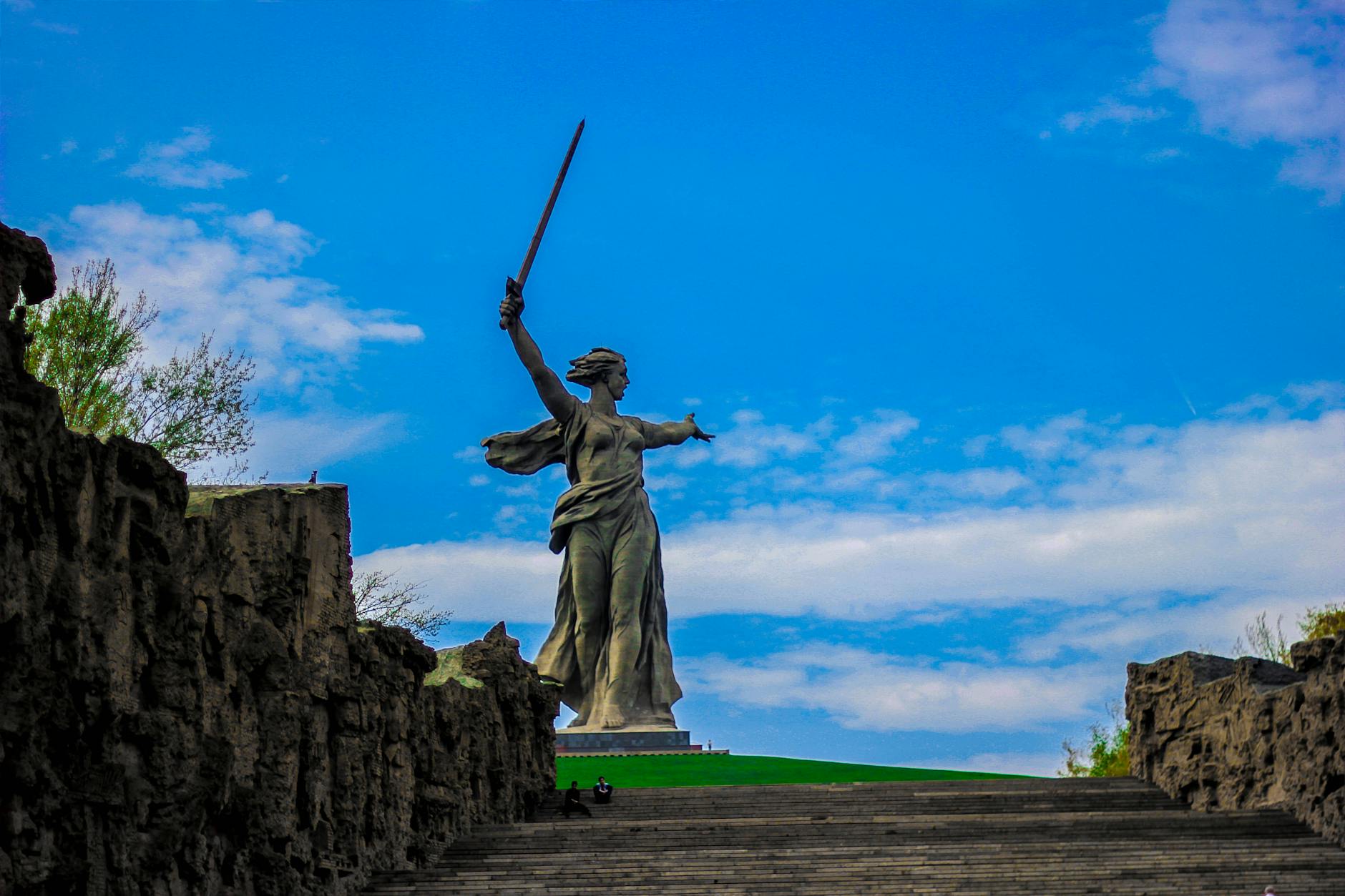
The term skjaldmær, or shieldmaiden, conjures images of women fighting shoulder-to-shoulder with their male counterparts, their shields locked in the formidable wall, their resolve as unyielding as the winter ice. But were these women fact or fiction? While scholars debate the extent of their historical reality, their presence in Norse literature and mythology is undeniable. They are the heroines of epic poems, the choosers of their own destinies, and the embodiment of a courage that does not fear the grave.
In this post, we delve into the world of the shieldmaiden. We will explore her legend as told in the sagas, examine the tantalizing clues left in the archaeological record, and, most importantly, discover how to honor her spirit by crafting a custom Viking creation that tells her story. This is a journey into the heart of the warrior woman, a guide to embodying her strength not just in spirit, but in every custom-forged piece of armor and every carefully chosen symbol.
The shieldmaiden in the sagas: Forging a legend
The first place we meet the shieldmaiden is in the ink and parchment of the sagas. These stories, a blend of history, myth, and poetry, are our primary window into the Viking mind, and they are filled with formidable women who refused to be confined to traditional roles. They weren’t just characters; they were ideals.
Perhaps the most famous is Lagertha, featured in the 12th-century Gesta Danorum by Saxo Grammaticus. When the king of Sweden invades Norway, Lagertha, a woman of “a man’s courage in a woman’s body,” rallies other women who would rather face battle than dishonor. She fights at the forefront, her skill and bravery so profound that the legendary Ragnar Lothbrok falls for her. Lagertha is a leader, a strategist, and a fearsome warrior who commands respect through her actions.
Then there is Brynhildr of the Völsunga saga, a powerful valkyrie punished by Odin to live as a mortal woman. Trapped in a ring of fire, she can only be rescued by a hero brave enough to cross the flames. But Brynhildr is no passive princess. She is a figure of immense power and tragic destiny, whose choices drive the entire epic forward. Her story is one of sovereign will and the consequences of a warrior’s oath.
We also have Hervor from the Hervarar saga ok Heiðreks. She defies her family and society to claim her cursed father’s sword, Tyrfing, from his burial mound. She converses with his ghost, unafraid, and takes up the blade to live the life of a Viking warrior, raiding and fighting under a male name. Hervor’s tale is one of reclaiming a birthright and forging one’s own identity against all odds.
These stories, while likely embellished, reveal a cultural respect for female strength. The shieldmaiden of the sagas is independent, fiercely loyal, and the master of her own fate. Her courage wasn’t just for this life; it was a testament to her worth, a song sung loud enough to be heard in the halls of Fólkvangr or Valhalla.
Beyond the myth: Archaeological echoes of warrior women
For centuries, these sagas were seen as pure fantasy. The idea of female Viking warriors was relegated to the realm of myth. However, modern archaeology has begun to whisper a different story. The earth itself is giving up secrets that add tantalizing weight to the legends.
The most significant discovery is the famous Birka warrior grave, designated BJ 581. Unearthed in the 1880s in a prominent Viking town in Sweden, this 10th-century grave was long assumed to be that of a high-status male warrior. It contained a full suite of weapons—a sword, an axe, a spear, arrows—along with two shields and two horses, all indicators of a professional military leader. For over a century, this was the textbook example of a Viking warrior burial.
In 2017, however, a DNA analysis of the bones revealed a stunning truth: the warrior was biologically female. The revelation sent shockwaves through the historical community. While this single grave does not prove the existence of entire armies of shieldmaidens as depicted in pop culture, it provides powerful evidence that a woman could, and did, hold a position of high martial authority in Viking society. She was not just buried with weapons; she was buried as a warrior. This discovery bridges the gap between myth and reality, suggesting that the sagas, in their poetic way, were remembering a fundamental truth.
Crafting the shieldmaiden’s identity: Attire and armor
To truly honor the shieldmaiden, we must look beyond the fantasy of steel bikinis and corsets. Her attire was born of pragmatism, purpose, and personal expression. When envisioning a custom creation, authenticity and function are your guiding stars.
The foundation: Tunic and trousers
A shieldmaiden’s life was one of action. Her base layer would prioritize mobility and protection from the harsh northern elements. Forget restrictive dresses on the battlefield. The core of her outfit would consist of:
- A linen under-tunic (serk): Worn against the skin, this layer was for comfort and hygiene.
- A wool over-tunic (kyrtill): Wool is a Viking super-fabric—warm even when wet, durable, and breathable. A knee-length, belted tunic allows for free movement of the legs.
- Trousers (brækur): Essential for riding, marching, and fighting. Whether close-fitting or baggy, trousers provided practicality that a skirt simply could not.
When designing your custom piece, consider natural dyes—madder for reds, woad for blues, and walnut for browns—to achieve a historically grounded look.
The armor: Leather and lamellar
A warrior’s primary concern is protection. A shieldmaiden’s armor would reflect her status and fighting style. While full chainmail (byrnie) was incredibly expensive and typically reserved for the wealthy elite, other effective options were available.
- Hardened Leather (Cuir-bouilli): Leather armor is a staple of the warrior aesthetic. Boiled in water or wax, leather becomes stiff and offers significant protection against slashing attacks. A custom-fitted leather cuirass or bracers can be both beautiful and functional.
- Lamellar Armor: This style, consisting of small, overlapping plates (lamellae) of iron or leather laced together, was a common form of armor across Eurasia. It offers excellent protection and flexibility, and its modular nature makes it a fantastic choice for a custom project.
The goal is a balance between defense and agility. A shieldmaiden was likely a swift, versatile fighter, and her armor would need to enhance, not hinder, her movements.
The shield: Her voice in battle
The shield was not just a defensive tool; it was the shieldmaiden’s namesake and her canvas. Typically a round shield made of wooden planks with an iron boss in the center, it was her most vital piece of equipment. Customizing a shield is one of the most powerful ways to connect with her spirit. The design painted on its face was a declaration of identity. It could feature clan colors, mythological beasts like a wolf or raven, or powerful runes to invoke protection and victory.
The weapon: An extension of will
A warrior’s weapon is a personal choice. While swords were a status symbol, the most common Viking weapons were the spear and the axe—both versatile and deadly. The seax, a long single-edged knife, served as both a tool and a sidearm. When thinking about a custom creation, consider the story you want to tell. Is your shieldmaiden a frontline spear-wielder, holding the line? Or a fearsome skirmisher, breaking shields with a powerful axe?
Symbols of strength: Weaving courage into every piece
Norse culture was steeped in symbolism. These powerful icons were not mere decoration; they were believed to hold real power. Integrating them into your custom shieldmaiden attire transforms it from a costume into a tribute.
Freyja’s embrace
While Odin welcomed half the slain warriors to Valhalla, the other half were chosen by the goddess Freyja to reside in her hall, Fólkvangr. As the goddess of love, war, and magic (seiðr), she is a natural patron for a shieldmaiden. Symbols associated with her, like the falcon or the cat, or a representation of her famed necklace Brísingamen, could be carved into leather, engraved on an axe haft, or worn as a pendant. To fight under Freyja’s gaze is to fight with passion and ferocity.
The Valknut
This intricate knot of three interlocking triangles is one of the most enigmatic and powerful Norse symbols. Often found in association with Odin and scenes of battle, it is widely believed to be a symbol of the slain, representing a warrior’s binding pact with the Allfather to die bravely in battle. To bear the Valknut on your shield or armor is a heavy statement—it is an acceptance of fate and a declaration that you do not fear death.
Runes of power
Runes were more than an alphabet; each held a specific, potent meaning. Carving or painting runes onto gear was a way to invoke their power.
- Tiwaz (ᛏ): The rune of the sky god Týr. A symbol of victory, justice, and sacrifice. Often carved on swords and shields.
- Algiz (ᛉ): The elk rune. A powerful symbol of protection and defense against enemies.
- Uruz (ᚢ): The aurochs rune. It represents raw, untamed strength and endurance.
Choosing runes that resonate with your personal interpretation of the shieldmaiden’s spirit makes your creation uniquely yours.
The spirit of the shieldmaiden today: Your custom creation
Embodying the shieldmaiden is about more than assembling pieces of a kit. It’s about telling a story. When you embark on creating your custom ensemble, you are not just recreating history; you are continuing a legacy. Ask yourself: who is your shieldmaiden? Is she a stoic defender of her home, her shield scarred from countless battles? Is she a young, ambitious warrior seeking fame and a glorious afterlife? Is she a follower of Freyja, fighting with wild, untamed passion?
Let your answers guide your choices. Let the nicks and scuffs on your custom-made leather armor tell of battles won. Let the symbols painted on your shield speak of your faith and your fears. Let the weight of a hand-forged axe in your grip connect you to the unyielding spirit of those who came before.
Her song echoes on
The shieldmaiden’s existence may be debated in academic halls, but her spirit is undeniable. She represents the fierce independence, the profound courage, and the unwavering will that defined the very best of the Viking Age. She is a reminder that strength is not exclusive to gender, and that a warrior’s heart can beat in any chest.
Whether she was a historical reality, a mythological ideal, or a blend of both, her song continues to echo through time. It is a song of courage that looks beyond death, a song of a life lived with purpose and honor. And in the custom creations we forge today, in every piece of leather we tool and every symbol we carve, we add our own verse to her immortal legend.

 vikings