
The heartbeat of the festival: authentic crafts and viking markets
Long before you see the first shield wall or longship prow, you hear and smell it. The rhythmic clang of a hammer striking an anvil, a sound that has echoed through the ages. The rich, earthy scent of woodsmoke mingling with roasting meat and tanned leather. This is the sensory welcome to a modern Viking festival, a place where the past is not just remembered, but relived with a fierce and passionate spirit. These gatherings are far more than simple fairs; they are immersive portals, living museums where the traditions of our Norse ancestors are meticulously brought back to life.
For anyone drawn to the spirit of the North, stepping into a festival is like walking into the pages of a saga. It’s a chance to move beyond the books and documentaries and experience the culture firsthand. Here, the threads of history are rewoven by a global community of artisans, reenactors, and enthusiasts. In this article, we’ll guide you through the heart of the action, exploring how these modern-day Vikings honor the old ways, from the forge to the battlefield to the feasting table.
The true heart of any Viking festival is its marketplace. This sprawling, vibrant hub is where the pulse of the community can be felt most strongly. Forget mass-produced trinkets; this is a realm of authentic, handcrafted treasures, where every item tells a story of skill, dedication, and historical reverence. Rows of canvas tents and wooden stalls create a bustling village, each one a workshop and storefront for a master artisan.
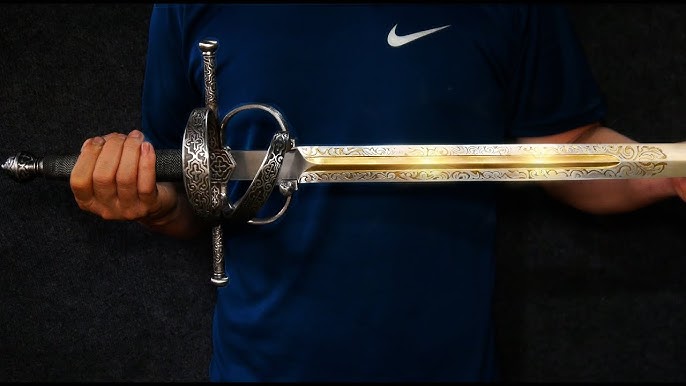
Here, the air is thick with the primal energy of creation. You’ll find blacksmiths, their faces smudged with soot, pulling glowing steel from the fiery maw of a portable forge. They are not merely making objects; they are recreating the essential tools and weapons of the Viking Age. With each powerful strike, they shape functional art—bearded axes with hand-carved hafts, razor-sharp seax knives, and intricate pendants forged in the image of Mjölnir or the Vegvisir. Watching them work is to witness a tradition that was fundamental to Norse survival and expansion.
Wander further and the scent of leather will guide you to the leatherworkers. These artisans transform rugged hides into durable and beautiful goods. You can run your hands over hand-stitched belts with replica buckles, sturdy pouches perfect for carrying modern necessities, and historically accurate turnshoes that are a world away from today’s footwear. They work with traditional tools, their hands deftly cutting, stamping, and sewing leather into pieces that are both practical and deeply connected to the past.
The textile arts, often overlooked in popular depictions of Vikings, are on full display here. You’ll see women and men at looms, weaving wool and linen into the distinctive patterns seen in archaeological finds. They demonstrate the slow, methodical process of nalbinding—a precursor to knitting—to create warm, dense socks and mittens. The vibrant colors of their garments are a testament to the Norse mastery of natural dyes, derived from plants like woad, madder, and weld, proving that the Viking world was far from drab and grey. It’s a powerful reminder that Norse attire was a complex and beautiful craft in its own right.
Woodcarvers and horn-makers offer another glimpse into the daily life and artistry of the age. Intricately carved wooden spoons, bowls, and figures showcase the Norse love for knotwork and animal motifs. And, of course, there are the drinking horns. Polished smooth and often rimmed with silver or brass, these iconic vessels connect festival-goers directly to the feasting halls of old. These markets are more than just places to shop; they are classrooms without walls, where you can speak directly with the artisans, learn about their methods, and hold a piece of history in your hands.
Echoes of valhalla: the spectacle of viking combat and archery
While the market is the festival’s heart, the battleground is its soul. It is here that the fierce, warrior spirit of the North is most vividly unleashed. The thunderous roar of a hundred warriors slamming their axes and swords against their shields is a sound that reverberates deep in your chest. This is the world of Viking combat reenactment, a discipline that blends historical scholarship with intense physical prowess.
The reenactment groups you see are not casual hobbyists. They are dedicated students of history who have spent countless hours researching and training. Their armor—from simple leather jerkins and padded gambesons to imposing chainmail byrnies and spangenhelm helmets—is often painstakingly made by hand to reflect historical accuracy. Their weapons, though blunted for safety, are authentic replicas of those found in Viking graves and hoards. This commitment to detail is what transforms the spectacle from a simple show into a powerful educational experience.
The highlight for many is the shield wall. As a commander barks orders in Old Norse, lines of warriors lock their shields together, creating an almost impenetrable barrier of wood and steel. You witness the tactics that made Viking raiders so feared: the disciplined advance, the feigned retreats, and the brutal, close-quarters fighting that decided the fate of battles. The clash of steel on steel, the splintering of shields, and the guttural war cries create a breathtaking and visceral scene. It’s a living demonstration of the teamwork, courage, and strategy that were essential for survival in the Viking Age.
Beyond the large-scale battles, you can often witness one-on-one duels, or holmgang. These are not wild, chaotic brawls but controlled displays of immense skill. Combatants circle each other, testing defenses, looking for an opening. The fight is a blur of flashing axes, swift sword strikes, and deft parries. It showcases the individual martial skill of the warrior and the deep respect combatants have for each other and their shared passion. It’s a dance of aggression and defense that is as mesmerizing as it is intense.
But the warrior arts were not limited to melee combat. Archery ranges are a common feature at festivals, allowing visitors to test their own skill with a traditional longbow. Reenactors demonstrate the power and accuracy of these bows, which were vital tools for both hunting and warfare. Watching an archer send a shaft whistling through the air to strike a distant target is a reminder that the Viking warrior was versatile, skilled with multiple weapons, and a master of their environment. Through these thrilling demonstrations, the sagas are lifted from the page and played out before your very eyes, offering a raw and unforgettable connection to the Viking warrior ethos.
A feast for the senses: viking food, music, and daily life
A Viking festival engages all the senses, and nowhere is this more true than around the encampments and cooking fires. As the day’s battles wind down, the atmosphere shifts. The air fills with the savory aroma of open-fire cooking and the haunting melodies of ancient instruments. This is where you experience the cultural soul of the Viking Age: the food, the music, and the simple rhythms of daily life.
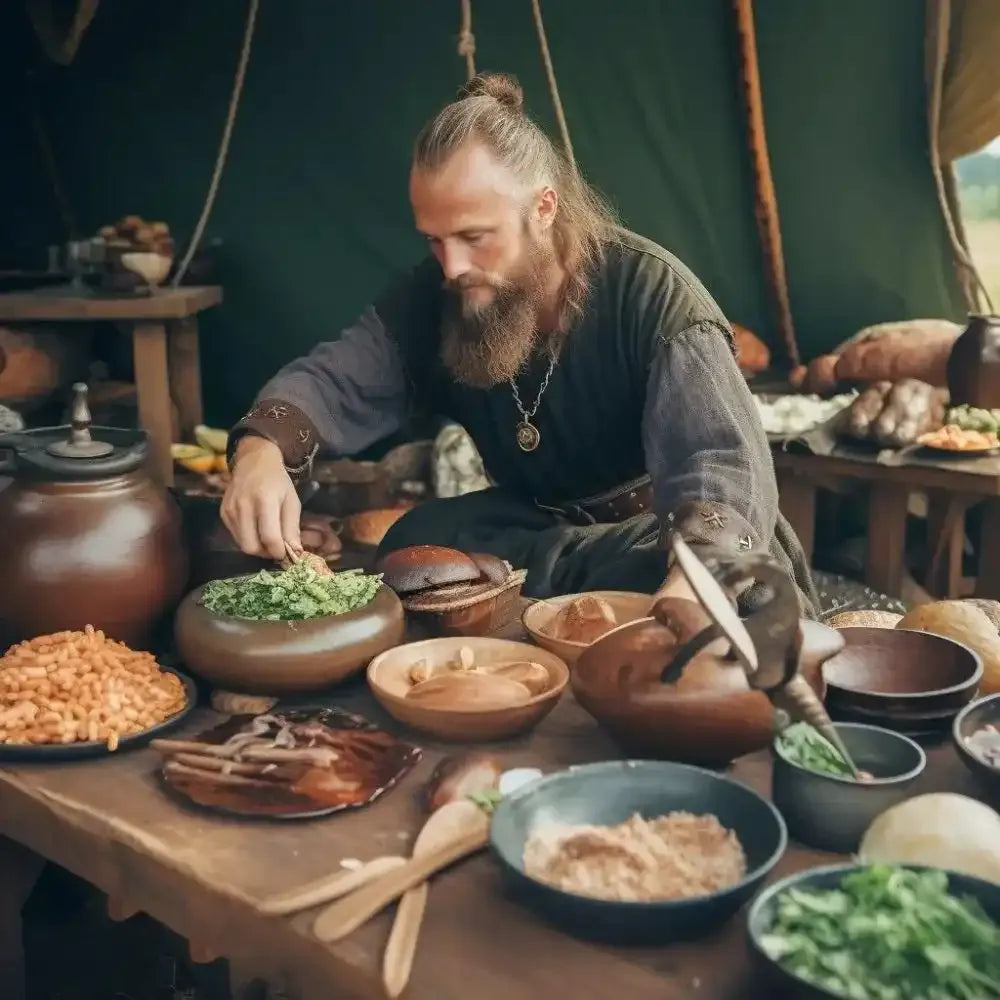
The feast is central to the festival experience. Forget modern fast food; here, the cuisine is hearty, rustic, and cooked over live flames. You’ll see whole pigs or lambs turning slowly on a spit, their skin crackling to perfection. Great cauldrons bubble with rich, savory stews filled with root vegetables and tender meat, seasoned with herbs that were common in the Norse pantry. Bakers tend to clay ovens, pulling out dense, dark loaves of bread. This food is simple, satisfying, and deeply connected to the land. It’s a taste of history, a meal that a Viking farmer or warrior might have enjoyed over a thousand years ago.
And no Viking feast would be complete without mead. This legendary honey wine, often called the “nectar of the gods,” flows freely. Brewers at the festival offer a surprising variety, from sweet and spiced to dry and potent. Sharing a drinking horn filled with mead is a ritual that binds the community together, a nod to the great mead halls of Beowulf and the sagas, where stories were told, oaths were sworn, and bonds were forged.
As dusk settles over the camp, the sounds of the past begin to rise. This isn’t the sound of recorded music, but the live, resonant tones of historical instruments. You will hear the soulful, droning strains of the tagelharpa, a bowed lyre with a mournful voice. The bright, plucked notes of a lyre might accompany a skald, or storyteller, as they recite epic poems and heroic tales. The deep, rhythmic pulse of hide drums provides a primal beat that seems to sync with your own heartbeat. This music is raw, emotional, and powerful, creating an atmosphere that is at once celebratory and reverent.
Perhaps the most profound experience is simply walking through the living history encampments. Here, reenactors don’t just dress the part for a few hours; they live it for the entire weekend. They sleep in authentic A-frame tents, cook their meals over open fires, and occupy their time with historical activities. You’ll see them mending their tunics, carving spoons, playing board games like Hnefatafl, and simply sharing stories around a fire. It is in these quiet, candid moments that the past feels most present. You see not just the warriors, but the families, the artisans, and the farmers. You see a complete, living culture. These festivals are a powerful testament to a heritage that refuses to be forgotten, a vibrant celebration that keeps the fierce, creative, and enduring spirit of the North alive for a new generation.

 vikings


