
Echoes from the past: The historical roots of Norse body art
The modern image of a Viking is inseparable from intricate, powerful tattoos covering battle-hardened skin. We picture warriors adorned with knotted serpents, cryptic runes, and symbols of the gods. But how much of this vision is rooted in history, and how much is a modern interpretation of their fierce spirit? The truth, like a Futhark rune carved in ancient stone, is both clear and mysterious.
Our most significant clue comes from a 10th-century Arab diplomat and traveler, Ahmad ibn Fadlan. While journeying along the Volga River, he encountered a group of Norsemen known as the Rus’. His detailed account provides a rare, if debated, written record of their appearance. He described them as tall as date palms, with bodies covered in markings from “fingertip to neck.” He depicted these as “dark green” patterns of trees, figures, and other intricate designs. For centuries, this has been the cornerstone of the argument for historical Viking tattoos.
However, the archaeological record remains silent. Skin, unlike bone or steel, rarely survives a thousand years in the earth. We have no preserved Viking bodies with tattooed skin to definitively confirm ibn Fadlan’s account. This has led some historians to suggest he may have been describing temporary body paint made from woad or other natural pigments, a common practice in many ancient cultures for rituals or battle. The term he used could be interpreted in several ways, leaving room for debate.
Yet, the absence of direct evidence doesn’t negate the possibility. The Vikings were master artisans, their culture steeped in visual symbolism. They carved elaborate knotwork and fierce beasts onto their longships, weapons, jewelry, and runestones. These weren’t just decorations; they were statements of power, belief, and identity. It seems almost natural that they would extend this profound artistic expression to the most personal canvas of all: their own bodies. To carry the image of a wolf was to channel its ferocity; to be marked with a symbol of Odin was to dedicate oneself to the Allfather. Whether permanently inked or painted for a specific purpose, this body art was a vital part of their warrior identity, a visual language that communicated their connection to the gods, to fate, and to the fierce world they inhabited. It is this powerful idea that forms the bedrock of today’s Norse tattoo revival.
The sacred ink: Unpacking the meaning behind popular Viking symbols
Modern Viking tattoos draw from a deep well of sacred Norse symbolism. Each design is more than just an aesthetic choice; it’s a modern-day talisman, a piece of ink imbued with the power and meaning of a bygone era. Understanding these symbols is key to appreciating why they resonate so deeply with those who seek to channel the Viking spirit today.
Vegvisir, the Runic Compass: Perhaps one of the most popular Norse-inspired symbols, the Vegvisir is often called the Viking or runic compass. Composed of eight runic staves, it was believed to hold the power of guidance. The Huld Manuscript, an Icelandic grimoire from the 19th century, states that if this sign is carried, “one will never lose one’s way in storms or bad weather, even when the way is not known.” While its origins are post-Viking Age, its message of protection and guidance through life’s struggles has made it a quintessential symbol for the modern warrior navigating a chaotic world.
Aegishjalmur, the Helm of Awe: Another powerful sigil from Icelandic magical traditions, the Helm of Awe and Terror is a symbol of overwhelming power and protection. Mentioned in the Poetic Edda, it was said to be worn by warriors to induce fear in their enemies and protect against the abuse of power. Its eight arms, radiating from a central point like armed tridents, represent a formidable defense. As a tattoo, it serves as a personal shield, a reminder of one’s inner strength and the ability to conquer any obstacle.
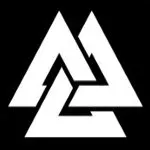
Valknut, the Knot of the Slain: This enigmatic symbol, consisting of three interlocked triangles, is inextricably linked to the Allfather, Odin. Its name translates to “knot of the slain warrior,” and it appears on ancient runestones alongside figures of Odin and scenes of battle. It is widely believed to symbolize the transition between life and death and Odin’s power to bind and unbind the fates of men. A warrior bearing the Valknut was likely dedicated to Odin, ready to fight valiantly and earn their place in the halls of Valhalla. Today, it is a tattoo chosen by those who honor sacrifice, courage, and the acceptance of one’s destiny.
Yggdrasil, the World Tree: The colossal ash tree Yggdrasil is the very center of the Norse cosmos. Its roots delve into the nine worlds, and its branches reach up to the heavens. It represents the cycle of life, death, and rebirth, as well as the interconnectedness of all things. It is a symbol of cosmic order, wisdom, and destiny. A tattoo of Yggdrasil is a profound statement about one’s place in the universe, a connection to nature, ancestry, and the greater spiritual web of existence.
Huginn & Muninn, Odin’s Ravens: Perched on Odin’s shoulders, the ravens Huginn (Thought) and Muninn (Memory) fly across the nine worlds each day to bring news back to their master. They are symbols of intellect, wisdom, and the relentless pursuit of knowledge. A tattoo of these two birds represents a thirst for understanding, the importance of learning from the past, and the power of a sharp mind—proving that the Viking ethos valued wisdom as much as strength.
Mjolnir, Thor’s Hammer: Unquestionably one of the most recognizable Norse symbols, Mjolnir was the mighty hammer of the thunder god, Thor. It represented not only destructive power but also protection, consecration, and strength. Vikings wore Mjolnir amulets to shield them from harm and bless important events. As a tattoo, it remains a potent symbol of protection, fortitude, and the power to defend one’s beliefs and loved ones.
Runes: The letters of the Viking alphabet were far more than a writing system. Each rune, or stave, held a deep, esoteric meaning and was believed to possess magical power. Runes were used for divination, protection, and casting spells. Tattoos of individual runes or bindrunes (ligatures of multiple runes) are deeply personal, chosen to invoke specific concepts like courage (Tiwaz), journey (Raidho), or protection (Algiz).
The modern warrior’s mark: Why Viking tattoos resonate today
The resurgence of Viking tattoos is not merely a passing trend. It’s a powerful cultural movement driven by a deep-seated human need for meaning, strength, and connection in the modern age. These ancient symbols have found a new home on the skin of 21st-century individuals, acting as a bridge to a past defined by a raw and uncompromising ethos. But why does this fierce spirit resonate so strongly now?

First and foremost, Viking tattoos are a declaration of inner strength and resilience. In a world that often feels uncertain and overwhelming, symbols like the Helm of Awe or Thor’s Hammer serve as a form of psychological armor. They are a daily, visible reminder of one’s ability to face adversity head-on. For many, getting a Norse tattoo marks a significant life event—overcoming a personal struggle, embarking on a new path, or committing to a code of personal honor. The ink becomes a testament to their own battles fought and won, a modern-day warrior’s mark.
Furthermore, these tattoos represent a profound connection to ancestry and heritage. For individuals of Scandinavian descent, they are a powerful way to reclaim and celebrate their roots. It’s a way of saying, “The blood of the North runs in my veins.” This ancestral pride goes beyond geography; it’s about identifying with the values attributed to the Vikings: courage, self-reliance, a love of freedom, and a deep respect for nature. It’s a way to feel connected to something ancient, enduring, and authentic in a fast-paced, disposable world.
The aesthetic appeal of Norse art is another undeniable factor. The bold lines, intricate knotwork (Borre and Jelling styles), and powerful, stylized depictions of beasts and gods are visually stunning. These designs are inherently masculine and feminine, raw and sophisticated, chaotic and ordered all at once. Modern tattoo artists have embraced this aesthetic, blending traditional motifs with contemporary styles like dotwork, blackwork, and photorealism, creating breathtaking pieces that are both timeless and new. The result is art that doesn’t just decorate the body but transforms it, making a bold statement of individuality.
Ultimately, a Viking tattoo is a commitment to a certain mindset. It is an outward expression of an internal choice to live fearlessly. It is about embracing the spirit of the explorer, the resolve of the warrior, and the wisdom of the seer. It is a recognition that life is a battle, a journey, and a saga—and that one must face it with courage, honor, and an unbreakable will. Long after the echoes of the longships have faded, the symbols they carried continue to inspire us to carve our own destinies, not in stone or wood, but in the very fabric of our lives.

 vikings


