
The rhythm of the village: life in a recreated encampment
Before you even see it, you hear it. The rhythmic clang of a hammer on steel, the murmur of voices speaking a blend of modern tongues and Old Norse phrases, and the crackle of a hundred campfires. The air hangs thick with the scent of woodsmoke, roasting meat, and damp earth. This is the sensory welcome to a modern Viking festival, an experience that transcends a simple weekend gathering and becomes a portal to the past.
Forget the horned helmets and fur bikinis of pop culture. The first thing that strikes you as you walk through the gates of a true reenactment festival is the profound dedication to authenticity. The heart of the event is the living history encampment, a sprawling village of canvas A-frame tents and timber structures, each meticulously based on archaeological finds. Here, the modern world melts away. There are no plastic chairs or nylon tents, only hand-carved wooden benches, clay pots simmering over open fires, and woolen blankets draped over hay bales.
The people who inhabit this temporary village are the lifeblood of the community. They are historians, craftsmen, students, and families, all united by a shared passion for the Viking Age. Their commitment is woven into every thread of their clothing. As our readers at Viking Blogs know, Norse attire was far from the brutish stereotype. Here, you see it in its full glory. Men wear linen undertunics and sturdy woolen overtunics, or ‘kyrtles’, often dyed with natural pigments of madder red, woad blue, or weld yellow. Trousers are either loose-fitting or wrapped tightly with leg bindings, or ‘winnegas’, for protection and warmth. Women are adorned in long linen shifts, over which they wear a distinctive apron-dress known as a ‘hangerok’, held in place by ornate oval brooches. The fabrics, the hand-stitched seams, and the leather turn-shoes all speak of countless hours of research and skilled craftsmanship.
Life in the encampment follows the rhythms of a bygone era. Mornings start with stoking the fire and preparing a simple breakfast of porridge or bread cooked on a griddle. The day is filled with chores, crafts, and camaraderie. You might see a group mending their gear, sharing a horn of mead, or simply telling stories around the fire. This is not a performance for an audience; it is an immersion. It’s in these quiet moments that the true spirit of the festival reveals itself — a deep-seated desire to connect with history not as a static subject in a book, but as a tangible, living experience.
The fires of creation: reviving ancient skills and martial prowess
As you wander from the quiet residential areas of the encampment, you are drawn toward the hubs of activity where the skills of the Norse world are brought back to life. The air grows hotter and the hammering louder as you approach the blacksmith’s forge. Here, with bellows fanning the coal to a roaring heat, a smith transforms raw iron into functional art. You can watch as they painstakingly forge a knife blade, a fire striker, or the intricate links of a mail shirt, using the same techniques that armed warriors and equipped households a millennium ago. Each swing of the hammer is a tribute to a vital and respected craft.
Nearby, a different kind of creation is taking place. A weaver sits at a large, upright loom, deftly passing a shuttle back and forth to create woolen cloth, the very foundation of Viking attire. You can see leatherworkers tooling intricate knotwork onto belts and pouches, and woodcarvers shaping spoons or breathing life into a fearsome dragon head on a walking staff. These artisans are more than just demonstrators; they are teachers, eager to share their knowledge about the tools, materials, and historical significance of their craft. This is where you can truly appreciate the craftsmanship behind traditional Norse attire, seeing firsthand the skill required to produce every single garment and accessory.
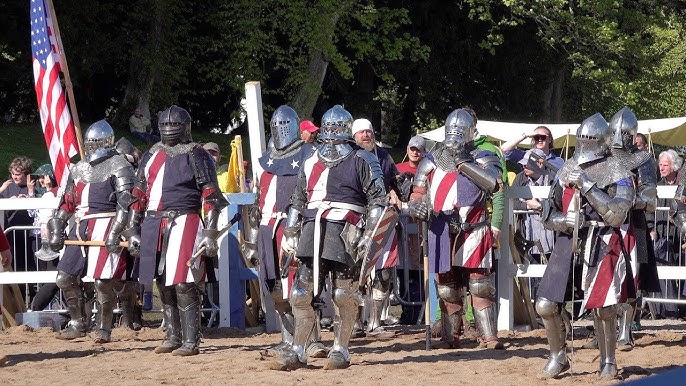
Of course, no Viking festival would be complete without the thunder of combat. The fighting field is where the fierce warrior spirit of the North is put on full display. But this is not the chaotic brawling seen in movies. Reenactment combat is a serious martial discipline. Warriors clad in leather armor, padded gambesons, and steel helmets engage in structured battles, forming shield walls and executing tactical maneuvers. The weapons are real steel, though blunted for safety. The clash of a sword against a shield, the thud of an axe biting into wood, and the unified war cry of a charging line of warriors is a visceral, heart-pounding experience. You’ll witness one-on-one duels that showcase incredible skill and agility, as well as large-scale battles that demonstrate the strategic importance of formations like the shield wall. It’s a powerful reminder that for the Norse, combat was a deadly and highly developed art form.
More than a costume: the enduring spirit of the viking community
After spending a day immersed in the sights and sounds of the past, one question often arises: why? Why do thousands of people dedicate their time, money, and energy to recreating this specific period of history? The answer is as diverse as the community itself. For many, it’s a tangible way to connect with their heritage and ancestry, a hands-on approach to understanding where they come from. For others, it’s the ultimate academic pursuit, moving beyond dusty books to test historical theories in a practical setting. Can you really forge a sword with these tools? How effective is a shield wall against a cavalry charge? At a festival, these questions find their answers.
Beyond the personal motivations, these events serve a vital educational purpose. They are living, breathing museums where families and curious visitors can learn in a way that is engaging and memorable. You can ask a warrior about the weight of his mail shirt, taste bread cooked with period-accurate ingredients, and hold a handcrafted tool in your own hands. This interactive experience fosters a much deeper appreciation for history than any textbook ever could.
If you’re planning to attend your first festival, a few tips can help you make the most of the experience. First, wear comfortable shoes; you’ll be doing a lot of walking on uneven ground. While you don’t need to be in full historical kit, opting for natural fabrics and earthy tones can help you feel more a part of the atmosphere. Bring cash, as many of the incredible artisans at the market stalls sell their wares, offering a unique opportunity to own a piece of handcrafted history. Most importantly, be curious. The reenactors are passionate about what they do and are almost always happy to answer questions about their clothing, their craft, or daily life in the Viking Age. Don’t be afraid to ask, “Is that wool itchy?” or “How long did it take to make that?”
Ultimately, a modern Viking festival is a celebration of community. It’s a place where a global network of enthusiasts can gather to share their knowledge, trade their goods, and forge real-world friendships. It’s a testament to the fact that the spirit of the North — a spirit of resilience, craftsmanship, exploration, and strong community bonds — is still very much alive today. It’s a reminder that history is not just a collection of dates and artifacts, but a human story that continues to inspire and unite us.
So the next time you hear of a Viking market or festival in your area, do not hesitate. Go and step into the fierce world of the Viking Age. You won’t just be a spectator; you’ll be a part of keeping the saga alive, a witness to the enduring power of ancient traditions in our modern world.

 vikings


