
Whispers from the burial mound: a journey into the past
The sagas sing of legendary kings—Harald Fairhair, who united Norway, and Cnut the Great, who forged a North Sea empire. Their names are etched into history, their deeds echoing through the centuries. But what of the others? The sea-kings whose longships never returned, the jarls who ruled remote fjords, and the chieftains whose power was absolute within the shadow of a single mountain? Their names are lost to time, swallowed by the mists of the past. Yet, they are not entirely gone. They speak to us not through weathered runes, but through the treasures they took with them into the earth.

These are the relics of forgotten kings. Buried in soil and clay, preserved in the cold, dark ground of Scandinavia, these artifacts are our most direct connection to the fierce ambition and spiritual depth of the Viking Age. They are the shadows in the fjord, the glint of gold in a farmer’s field, the ghost of a ship beneath a grassy mound. Join us as we dig into the world of Viking archaeology to uncover the stories of power, belief, and community left behind by these enigmatic rulers.
More than myth: the tangible power of Viking chieftains
Before we can understand their relics, we must first understand the nature of their power. Viking Age Scandinavia was not a land of neat, centralized kingdoms as we might imagine today. Kingship was a fluid and often brutal concept. A ‘konungr’ could be the supreme ruler of a unified nation, but he could also be a local chieftain whose authority extended only as far as his sword arm could reach. These were men who commanded loyalty through a combination of military success, shrewd political alliances, and, crucially, immense generosity.
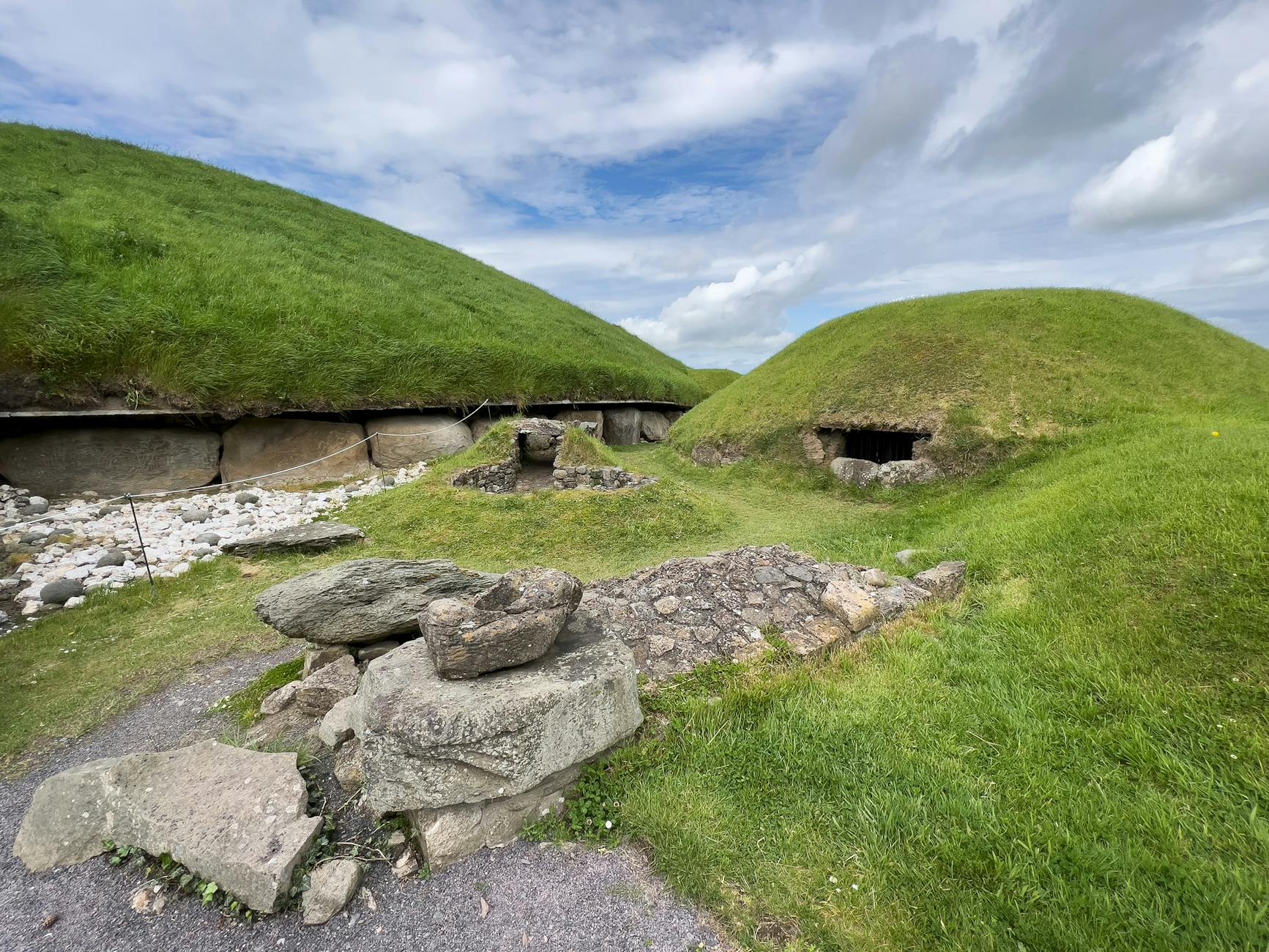
A successful Viking chieftain was a ‘ring-giver’, a lord who rewarded his loyal warriors with silver arm-rings, ornate weapons, and spoils from successful raids. This generosity was a public display of power. It demonstrated a leader’s ability to acquire wealth and his willingness to share it, binding his retinue to him in a web of obligation and respect. Their power wasn’t just held; it was performed. And when they died, this performance reached its epic conclusion in a burial that would broadcast their status for all eternity.
The great ship burials: vessels to the afterlife
For the most powerful Viking rulers, no tomb was more fitting than the very vessel that had defined their life: the longship. A ship burial was the ultimate status symbol, a monumental undertaking that involved the entire community. It was a declaration that the deceased was not merely a man, but a master of the seas, a voyager destined for the halls of Valhalla or the blessed fields of Fólkvangr. Two of the most astonishing examples were unearthed from the Norwegian soil, each telling a different story of power.
The Oseberg ship: a queen’s final voyage
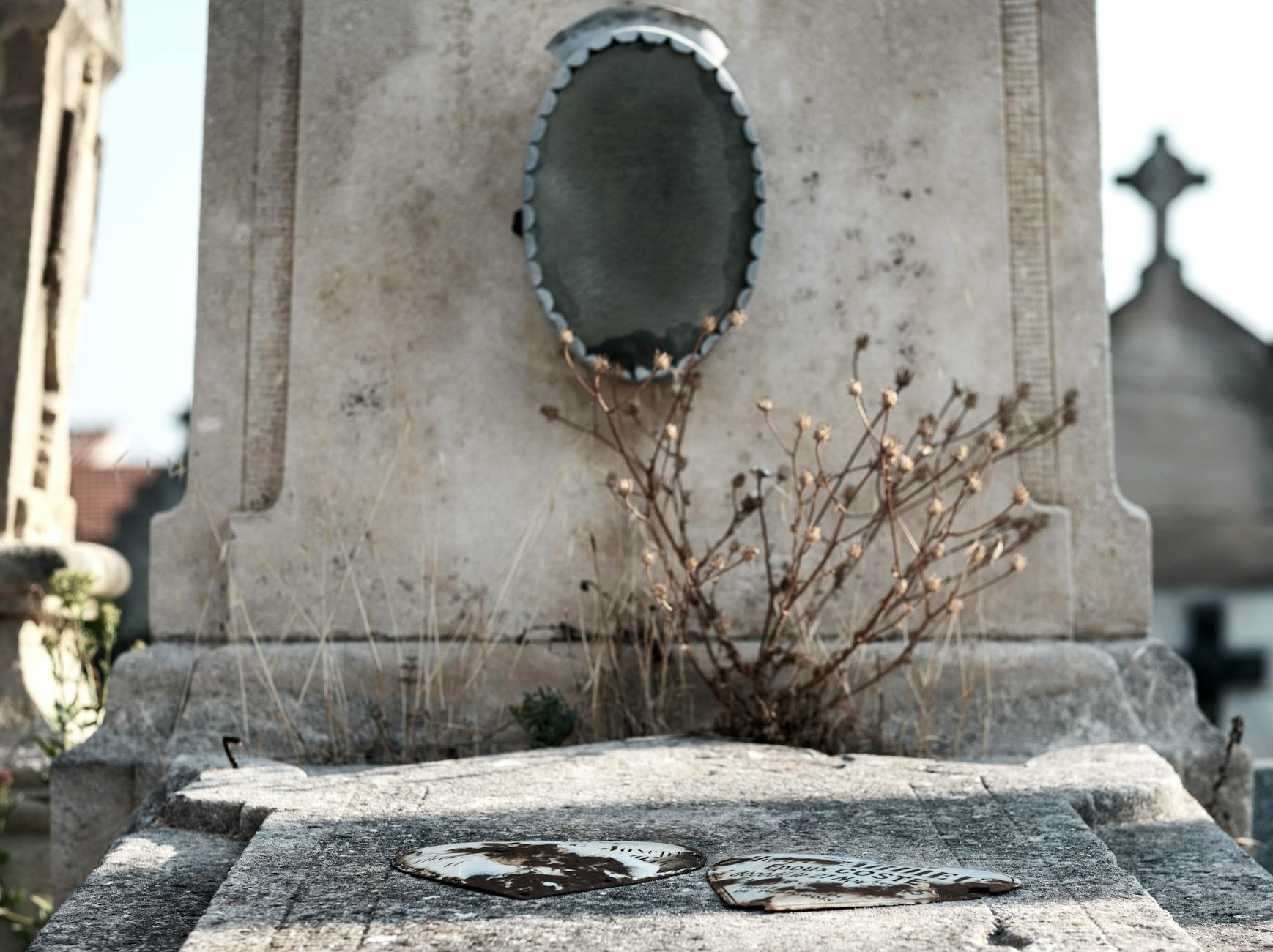
In 1904, a farmer digging in a mound near the Oslofjord struck timber. What he had found would become one of the most spectacular archaeological discoveries in history: the Oseberg ship. Preserved in remarkable detail by the blue clay of the mound, this 70-foot-long vessel was a masterpiece of Norse craftsmanship. Its sweeping lines and intricately carved animal-head prow speak not of a hardened warship, but of a vessel of immense prestige, perhaps a royal yacht.
Within the burial chamber lay the remains of two women. One was elderly, likely in her 80s, suffering from advanced arthritis and other ailments. The other was younger, in her early 50s. Their identities remain a mystery. Was the older woman a powerful queen, perhaps Åsa, grandmother of Harald Fairhair? Was the younger woman her high-ranking attendant or a sacrificial victim? DNA analysis has been inconclusive, leaving us with tantalizing questions. But the grave goods surrounding them paint a vivid picture of their world. They were buried with exquisitely carved sledges, a wagon, ornate tapestries depicting mythic scenes, kitchenware, tools for weaving, and personal chests. The Oseberg burial gives us an unparalleled glimpse into the domestic and ritualistic life of the Viking elite, a world where feminine power and spiritual authority held a place of immense importance.
The Gokstad ship: a warrior king’s legacy
Discovered decades earlier in 1880, the Gokstad ship offers a stark contrast. This was no pleasure craft; this was a clinker-built war machine. A robust, 78-foot-long vessel, it was eminently seaworthy and built for speed and battle. Buried within was the skeleton of a tall, powerful man in his 40s. Battle-marks on his bones showed he was a veteran warrior, and bone analysis suggests he died in combat or from its complications.
Unlike the rich textiles of Oseberg, his grave goods were those of a sea-king. He was laid to rest with his shields hung along the gunwale, as if ready for battle. With him were the remains of twelve horses, six dogs, and even two peacocks—an exotic display of wealth and far-reaching connections, likely acquired from trade routes that stretched far to the east. The Gokstad king was a warrior, a traveler, and a commander. His ship was not just a coffin; it was his warband, his throne, and his legacy, poised to carry his fierce spirit into the next world.
Beyond the ships: treasures from the earth
While the ship burials are the most dramatic, they are not the only windows into the world of forgotten kings. Sometimes, power is revealed not in a single, monumental burial, but in the concentrated wealth a leader chose to hide in the earth, or the single, perfect object that defined his status.
The secrets of the hoard: the Vale of York treasure
In 2007, two metal detectorists in North Yorkshire, England, uncovered one of the most significant Viking hoards ever found. The Vale of York Hoard was not a grave, but a buried treasure chest, a snapshot of the wealth of a single, powerful, yet anonymous Viking leader from the 10th century. Inside a gilded silver Carolingian cup, they found 617 coins and 67 other objects from across the known world.
There were silver arm-rings from Ireland, coins from Samarkand in modern-day Uzbekistan, and currency from Afghanistan, alongside Scandinavian and Anglo-Saxon silver. This was not just random loot; it was a curated collection of global wealth, a testament to the owner’s reach as a raider, trader, and leader. He was powerful enough to amass a fortune that spanned continents, yet for reasons we will never know, he buried it and never returned. The hoard is the legacy of a forgotten king of the Danelaw, his story told only by the silver he left behind.
The sword as a soul: the legacy of Ulfberht
In Viking society, a sword was more than a weapon. It was an extension of the warrior, a symbol of his honor, lineage, and social standing. The finest swords were named, passed down through generations, and believed to contain a spirit of their own. For a Viking king or jarl, owning a superior blade was essential.
Among the most legendary of these are the ‘Ulfberht’ swords. Inscribed with the name +VLFBERH+T, these blades were forged from crucible steel of a purity and strength not seen again in Europe for nearly a thousand years. They were flexible, incredibly sharp, and capable of shattering lesser blades. Owning one was like owning a supercar today—a definitive statement of wealth and elite status. When an Ulfberht sword is found in a grave, we know we are looking at the final resting place of a truly formidable individual, a leader whose name may be forgotten, but whose demand for the absolute best in craftsmanship has survived for a millennium.
Reading the relics: what forgotten kings tell us today
These relics are more than just beautiful or fearsome objects. They are historical documents written in iron, wood, and silver. When we ‘read’ them, they reveal profound truths about the Viking lifestyle and community.
- Global Connections: The peacocks of Gokstad and the Afghan coins from the Vale of York demolish the idea of Vikings as isolated barbarians. These kings were plugged into a vast network of trade, tribute, and raid that connected Scandinavia with the Byzantine Empire, the Abbasid Caliphate, and the far corners of Europe.
- Belief and Ritual: The sheer effort and expense of a ship burial underscores the importance of the afterlife. These weren’t simple funerals; they were cosmic events designed to ensure the chieftain’s smooth passage to the next world and secure his continued protection over his community from beyond the grave.
- Community and Craftsmanship: A king could not build a longship or forge an Ulfberht sword alone. These relics represent the pinnacle of a community’s skill. The farmers, woodworkers, blacksmiths, and weavers who created these masterpieces were part of the chieftain’s power structure. The treasures in his grave are a testament to the thriving, complex society he ruled.
The shadows remain
The names of the Gokstad king, the Oseberg queen, and the owner of the Vale of York hoard may be forever lost to the winds that whip across the fjords. They remain shadows, figures defined only by the outlines of what they left behind. But in their relics, their world comes roaring back to life. In the elegant curve of a ship’s prow and the keen edge of a sword, we can feel the ambition, faith, and fierce pride of these forgotten rulers. Their stories were not written in ink, but buried in the earth, waiting for us to uncover them and, in doing so, embrace the true spirit of the North in every thread of history.

 vikings


