
The echoes of the old ways: The heart of a modern viking festival
The first thing you notice isn’t a sight, but a sound. It’s the deep, resonant call of a Gjallarhorn cutting through the crisp air, a summons that vibrates in your very bones. Then come the smells: the rich aroma of woodsmoke from a hundred campfires, the savory scent of meat roasting over open flames, and the earthy fragrance of leather and damp wool. This is the sensory immersion of a modern Viking festival, a place where the veil between centuries thins, and the fierce spirit of the North awakens in the modern world.
Many outsiders see these gatherings as mere costume parties or fantasy conventions. But for those who walk the grounds, clad in hand-stitched linen and heavy wool, it is something far more profound. It is a living museum, a bustling marketplace, and a gathering of clans dedicated to reviving the skills, culture, and traditions of the Norse people. These festivals are the ultimate celebration of history, not as a static exhibit behind glass, but as a dynamic, breathing entity. Here, history is not just remembered; it is relived. And for us at Viking Blogs, it is the most vibrant showcase of the custom Viking creations that form the bedrock of this incredible community.
From the intricate beadwork on a woman’s apron dress to the precise wrap of a warrior’s leg bindings, every detail is a testament to countless hours of research and skilled craftsmanship. This is where the sagas leap from the page and take human form, where blacksmiths forge steel with the rhythm of ancient smiths, and where skalds once again tell tales of gods and heroes around a crackling fire. Join us as we step through the gates of the encampment and explore the authentic heart of a modern Viking festival.
Forged in authenticity: The art of viking age attire and armor
The visual soul of any Viking festival is the clothing. It is the first and most powerful statement of dedication to historical recreation. Walk through the encampment, and you’ll see a vibrant tapestry of garments that speak of status, region, and personal journey. This isn’t about throwing on a horned helmet and a fur vest; it’s a meticulous craft rooted in archaeological finds and historical sources.
The foundation of authentic Viking attire is built upon natural materials. Wool is paramount, providing warmth, water resistance, and durability. You’ll see it in everything from the warrior’s thick cloak, fastened at the shoulder with a gleaming penannular brooch, to the simple, functional tunic or *kyrtill* worn by nearly everyone. The weave and color tell their own stories. Wealthier individuals might display finely woven diamond twill or sport garments dyed with expensive pigments like madder for red or woad for blue. A common Viking, however, would likely wear undyed wool in shades of brown, grey, and cream, a color palette known as ‘hodden’.
Beneath the wool, linen is the fabric of choice. As an under-tunic or shift, it was comfortable against the skin and could be washed more easily than heavy outerwear. The cut of these garments is deceptively simple but carefully considered. Patterns are often based on finds from historical sites like Hedeby in Denmark or Birka in Sweden, featuring rectangular construction with gussets under the arms and gores in the skirt to allow for freedom of movement without wasting precious fabric.
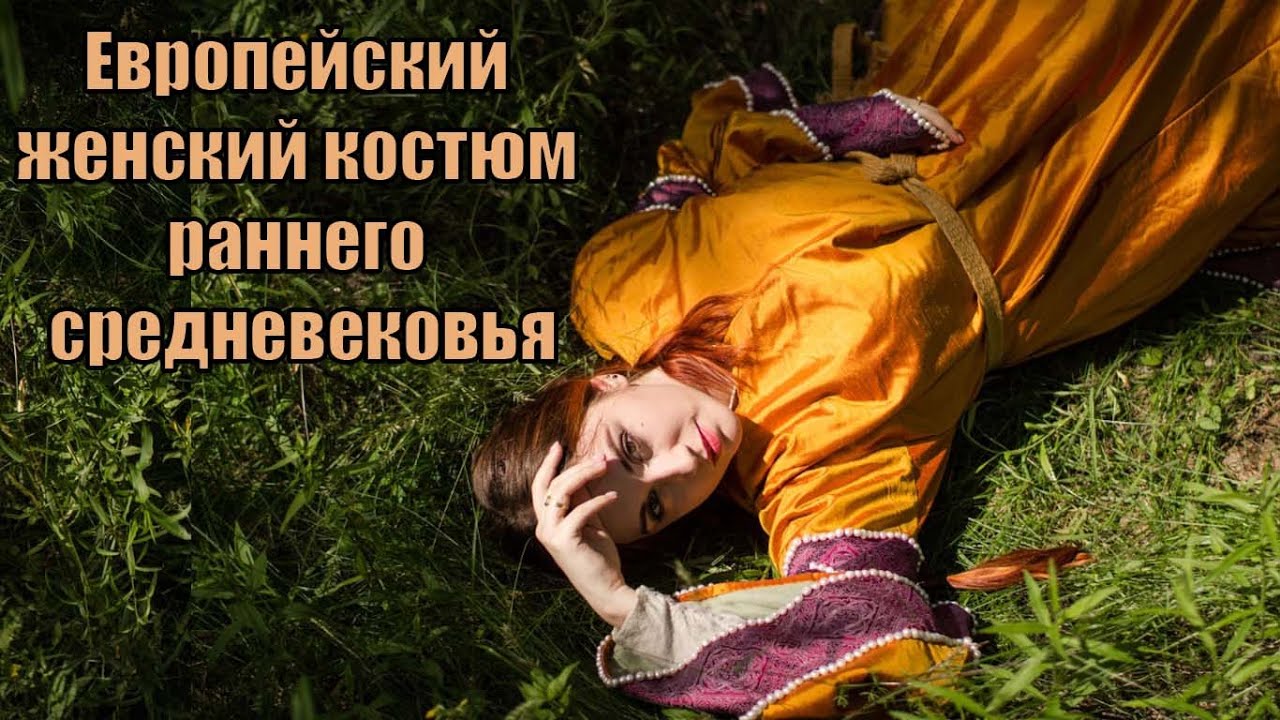
For women, the iconic garment is the *hangerok*, or apron dress. This tube-like woollen dress, held up by straps and fastened with ornate oval brooches, was a staple of Scandinavian female fashion. Between these brooches, strings of glass, amber, and silver beads were often draped, displaying a woman’s wealth and status. It is in this jewelry and the intricate tablet-woven bands that adorned cuffs and hemlines that personal expression and artistry truly shone.
Of course, no Viking gathering is complete without the warrior. The armor you see here is a far cry from Hollywood fantasy. There are no horned helmets—a purely fictional invention of the 19th century. Instead, you will find sturdy ‘spangenhelm’ style helmets, constructed from iron plates riveted together, sometimes with a protective nasal guard. The most common form of body armor was the *byrnie*, a coat of mail, where thousands of interlocking iron rings provided formidable protection against slashing blows. For those who couldn’t afford a full coat of mail, a padded gambeson or even a thick leather jerkin might offer a lesser, but still crucial, degree of defense. Every dent in a shield, every scuff on a leather boot, tells a story of a battle fought, a skill learned, and a tradition honored.
The bustling kaupang: A marketplace of master craftsmanship
Beyond the shield wall and the sparring circle lies the vibrant heart of the festival: the marketplace, or *kaupang*. This is where the modern artisans who are the lifeblood of the reenactment community display their wares. It is a sprawling, bustling hub of commerce and culture, where you can find everything needed to build your Viking identity from the ground up. The air is thick with the smell of beeswax, tanned leather, and linseed oil, and every stall holds treasures wrought by skilled hands.
Here, blacksmiths stand before glowing forges, their hammers ringing out a steady rhythm as they shape raw iron into historical masterpieces. You can find hand-forged axes with razor-sharp edges, utilitarian seax knives for everyday tasks, and intricate fire strikers for making a fire the old-fashioned way. These are not mere replicas; they are fully functional tools made using techniques passed down through generations of craftspeople. Watching a smith draw out a glowing bar of steel, shaping it with deliberate, powerful blows, is to witness an ancient magic being reborn.
Leatherworkers display an incredible array of goods. You can find sturdy belts with replica buckles, hand-stitched turnshoes based on archaeological examples from York, and pouches and scabbards tooled with intricate Norse knotwork. They can explain the difference between vegetable-tanned and brain-tanned leather and show you the precise stitching techniques used to ensure their creations last a lifetime. This is where you can commission a custom piece, ensuring your gear is not only authentic but also perfectly suited to your needs.
Jewelers and bone carvers offer adornments that connect the wearer to the symbolism and beliefs of the Viking Age. You’ll find silver Mjolnir pendants, cast bronze brooches, and delicate arm rings waiting to be claimed. Others specialize in carving intricate designs into bone or antler, creating everything from combs and needles to game pieces for Hnefatafl, the strategy game of the Vikings. Each piece is a small work of art, infused with the spirit and mythology of the North.
The market is also a place for learning. Artisans are almost always eager to share their knowledge. You can speak to a weaver about her warp-weighted loom, ask a potter about the firing process for her clay pots, or learn from a woodworker how he carves a bowl using only an axe and a hook knife. This exchange of knowledge is fundamental to the community. It ensures that these skills are not lost to time but are actively practiced, refined, and passed on to the next generation of creators.
From spectator to shield-brother: Forging your path into the Viking age
For a newcomer, the sheer scale and dedication on display at a Viking festival can be both inspiring and intimidating. It’s easy to feel like an outsider looking in. However, the path from curious spectator to active participant is more accessible than you might think, and it is a journey the community warmly encourages. Whether you wish to simply enhance your visit or take the first steps toward building your own authentic kit, there is a place for you by the fire.
If you’re attending as a guest for the first time, comfort is key. While you don’t need to be in historical attire, opting for natural-colored, modern clothing made of cotton or linen will help you blend in more than bright logos and synthetic fabrics. Sturdy, comfortable shoes are a must, as you’ll be walking on uneven, often muddy ground. Bring cash, as many vendors in the market may not have card readers. Most importantly, be respectful and curious. Reenactors love to share their passion. Don’t be afraid to approach someone whose kit you admire and ask them about it. Inquire about the history of their gear, the artisan who made it, or the group they belong to. This is the best way to learn.
If the call of the Gjallarhorn has truly stirred something in you, and you wish to join the ranks, the key is to start simple and do your research. Your first piece of kit shouldn’t be a sword or a helmet. It should be a basic linen tunic, a pair of simple wool trousers, and a good leather belt. These foundational pieces are relatively easy to make or affordable to commission, and they form the basis of nearly every Viking Age impression. Resist the urge to buy cheap, inaccurate costumes online. The community values effort and authenticity over a flashy, fictional appearance.
The single most valuable step an aspiring reenactor can take is to find a local group. Viking reenactment societies exist all over the world. These groups provide an invaluable support system. They offer mentorship from experienced members, hold training workshops for combat and crafts, and provide a ready-made community of like-minded individuals. They can guide you on your research, point you toward reputable vendors for custom creations, and help you avoid common beginner mistakes. Joining a group transforms a solitary hobby into a shared adventure.
Building your kit, or *huscarl*, is a marathon, not a sprint. It is a deeply personal journey of learning, crafting, and collecting that can take years. Each piece you add, whether you made it with your own hands or commissioned it from a master artisan at a festival, will have a story. It will be a mark of your growing knowledge and deepening connection to the history you strive to honor. Your saga is not written in a day; it is forged over time, piece by authentic piece.
Embrace the spirit of the North
A modern Viking festival is so much more than an event; it’s a testament to the enduring power of history, craftsmanship, and community. It is a place where the past is not a distant country but a living, breathing part of our present. By recreating the attire, the crafts, and the culture of the Norse people with such passion and dedication, participants do more than just play a role—they become links in a chain that stretches back over a thousand years.
Whether you come to watch the thrilling clash of steel, to acquire a unique piece of custom craftsmanship, or to begin your own journey into the Viking Age, you are stepping into a world built on a shared passion. So listen for the call of the horn, follow the scent of the woodsmoke, and discover the unyielding spirit of the North that still beats strong in the heart of the modern world.

 vikings


