
From the Fjord to the Runway: Viking Influence on Modern Fashion
The echoes of the past are often loudest in the things we choose to wear. While the modern world is dominated by fast fashion and synthetic materials, a powerful counter-current is pulling us back to something more primal, more authentic. This is the resurgence of the Viking aesthetic in contemporary fashion, a style built not on fleeting trends, but on the enduring principles of function, nature, and storytelling. It’s a return to the very threads that bound the Norse people to their harsh yet beautiful world.
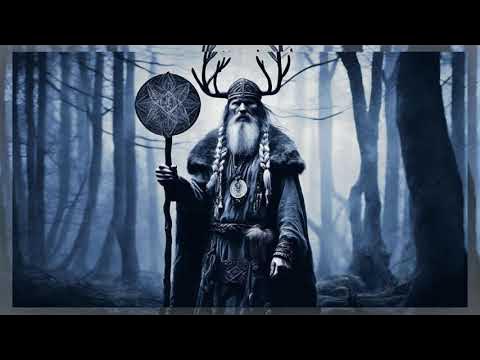
Forget the tired, inaccurate trope of the horned helmet. The true Viking wardrobe was a masterclass in practicality and resourcefulness. Garments were crafted from materials wrested from the land itself: warm, water-resistant wool from hardy sheep, sturdy linen from flax fields, and supple leather from hunted game. Today, we see this ethos reflected in the growing demand for sustainable and natural fabrics. Designers and everyday wearers alike are shunning polyester in favor of chunky wool sweaters, breathable linen tunics, and durable leather accessories. This isn’t just an aesthetic choice; it’s a philosophical one, a desire to reconnect with the earth and wear clothing that tells a story of its origin.
The silhouettes themselves are making a powerful comeback. The simple, functional T-shaped tunic, a staple of the Norse wardrobe, is being reinterpreted in modern dresses, shirts, and oversized tops. The beauty of these garments lies in their versatility. They allow for freedom of movement and can be layered, a crucial technique for surviving the unpredictable northern climates. Modern fashionistas are adopting this layering principle, pairing long tunics over trousers, cinching them with wide leather belts, and draping woolen cloaks or modern, cloak-inspired cardigans over their shoulders for both warmth and dramatic effect.
But the Viking influence goes beyond raw materials and shapes. It’s woven into the very details. Norse culture was rich with symbolism, and their clothing was often a canvas for expressing identity, belief, and status. Intricate embroidery depicting scenes from mythology, protective runes stitched into a cuff, or the complex, interlocking patterns of Norse knotwork are reappearing in modern apparel. These are not mere decorations; they are marks of identity. A small Mjolnir embroidered on a jacket collar or a Valknut pattern on a handbag connects the wearer to a deep well of history and meaning. Accessories, too, have become central to this revival. The simple penannular brooch, once used to fasten a cloak, is now a statement piece. Forged iron bracelets, leather arm guards, and intricate silver rings evoke a sense of handcrafted strength and individuality that mass-produced jewelry simply cannot match. This is clothing with a soul, a defiant roar against the sterile uniformity of the mainstream.
Forging a Modern Longhouse: Nordic Elements in Interior Design
The spirit of the North extends beyond our wardrobes and into the very heart of our homes. Just as Viking fashion prioritizes function and natural materials, so too does the modern interior design inspired by it. The goal is to create not just a house, but a sanctuary—a modern longhouse that offers warmth, strength, and a deep connection to the natural world. This aesthetic stands in stark contrast to minimalist, cold interiors, instead opting for a style that is both rugged and deeply comforting.
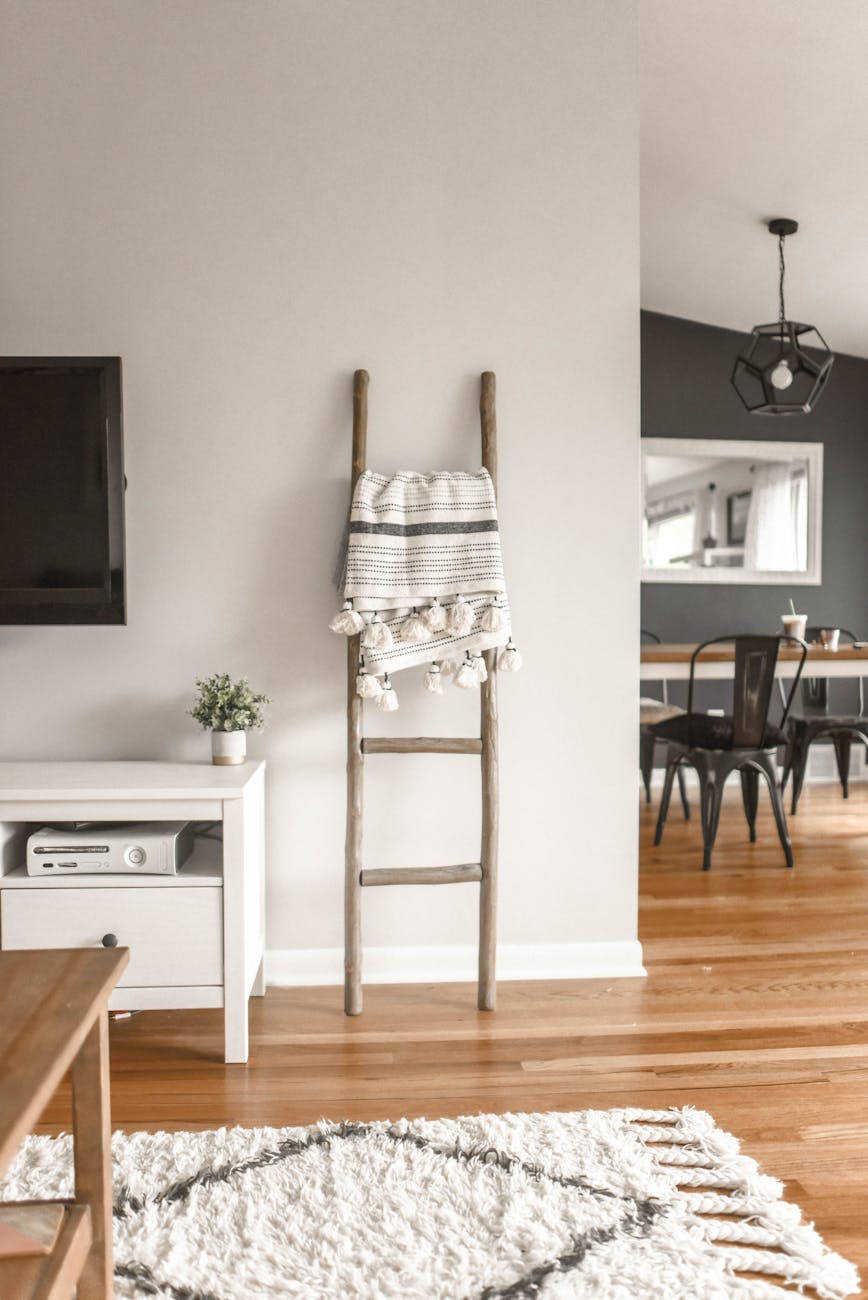
The foundation of this design movement is built on raw, honest materials. The Vikings were master woodworkers, and their longhouses were great halls of timber and stone. Today, this translates into a profound appreciation for wood in its most natural state. We see this in the rise of live-edge dining tables, where the original shape of the tree is preserved, and in the use of reclaimed barn wood for accent walls and flooring. The grain, knots, and imperfections of the wood are not hidden but celebrated, telling a story of age and resilience. This is complemented by the use of stone, whether in a grand, hearth-like fireplace or as a rugged kitchen backsplash. Wrought iron details—in light fixtures, cabinet handles, or fireplace tools—add a touch of the forge, reminding us of the skilled craftsmanship that was central to Norse life.
The color palette is drawn directly from a Scandinavian landscape. Think of the deep, earthy browns of the forest floor, the charcoal grey of storm clouds over the fjord, and the muted greens of moss-covered stones. These dark, enveloping tones create a sense of shelter and intimacy. But a Viking-inspired home is not a dark one. It is illuminated by the spirit of the hearth. The key is warm, layered lighting that mimics the flicker of firelight. Strategically placed lamps, candles, and a roaring fireplace (if you’re so lucky) cast a golden glow that makes the space feel alive and welcoming, a true refuge from the world outside.
Finally, the modern longhouse is furnished with pieces that emphasize community and comfort. Long, communal dining tables made of solid wood invite feasting and storytelling, just as they did a thousand years ago. Sofas and chairs are adorned with faux fur throws and woolen blankets, adding layers of texture and warmth. Hand-thrown pottery, leather-bound books, and subtle decorative elements featuring Norse symbols—a carved rune on a mantelpiece, a knotwork design on a cushion—infuse the space with meaning and personality. It’s about creating an environment that feels earned, crafted, and deeply personal. It is a home that doesn’t just shelter the body but also nurtures the soul, a place where your clan can gather and find strength.
The Mark of the North: Symbolism, Tattoos, and the Modern Viking Identity
Perhaps the most profound way the Viking aesthetic has risen in the modern era is in how we carry it on our own bodies and in our personal philosophies. It has become more than just a style; for many, it’s a way to reclaim a sense of identity, strength, and connection to a powerful ancestral past. This personal expression is most visible in the art we choose to wear, both as jewelry and as permanent marks on our skin.

Norse-inspired jewelry has exploded in popularity, serving as modern-day talismans. A silver Mjolnir (Thor’s Hammer) pendant hanging from a leather cord is no longer a niche item; it is a globally recognized symbol of strength, protection, and defiance. The Yggdrasil, the World Tree, is worn as a reminder of the interconnectedness of all things, while rings engraved with Futhark runes are chosen for their specific, personal meanings—luck, courage, wisdom. These are not just trinkets. For the wearer, they are a conscious link to the old ways, a physical anchor to a set of values they admire: resilience, exploration, and a fierce loyalty to one’s kin.
This deep, personal connection is taken a step further with the indelible medium of tattoos. The modern Viking aesthetic has fueled a renaissance in Nordic-style tattoo art. Arms are covered in intricate sleeves of Celtic and Norse knotwork, backs become canvases for epic mythological scenes, and powerful symbols like the Vegvisir (the Norse compass, meant to guide one through rough weather) or the Helm of Awe (Aegishjalmur, a symbol of protection and irresistibility in battle) are emblazoned on chests and hands. While the historical evidence for Viking tattoos is debated, their modern significance is undeniable. They are a declaration of identity, a visual representation of an inner strength, and a way to carry the stories of the gods and heroes with you always. Each design is a personal saga written in ink.
This revival also extends to grooming. The iconic “Viking beard”—long, full, and often braided—has become a powerful symbol of masculinity and non-conformity. It’s a rejection of the clean-shaven corporate look and an embrace of a more rugged, natural appearance. Paired with hairstyles like the undercut or intricate braids, it’s a direct nod to the warrior image that has been popularized in media, but it’s also a personal commitment to a specific aesthetic. It takes time and care to cultivate such a beard, mirroring the patience and dedication of an ancient craftsman. Ultimately, all these elements—the jewelry, the tattoos, the grooming—are facets of a larger cultural movement. They are the outward signs of an inner shift. People are drawn to the Viking ethos not to glorify violence, but to connect with a culture that valued courage, self-reliance, community, and a profound respect for nature. The rise of the Viking aesthetic in modern design is not a fleeting trend; it is the reawakening of a dormant spirit, a powerful call from the North that many are choosing to answer.

 vikings


