
The soul of the northmen forged in metal
When we picture a Viking, the mind often conjures images of horned helmets (a myth we can set aside), formidable axes, and a fierce, unyielding gaze. But look closer at this warrior, this farmer, this chieftain, or this shieldmaiden. You will see the glint of metal at their throat, the heavy weight of silver on their arm, and the intricate brooch that holds their cloak against the harsh northern winds. For the Norse people, jewelry was far more than mere decoration. It was a language of its own, speaking of power, faith, loyalty, and a profound connection to the cosmos. It was a warrior’s strength forged into silver and a testament to an elegance born from a harsh, beautiful world.
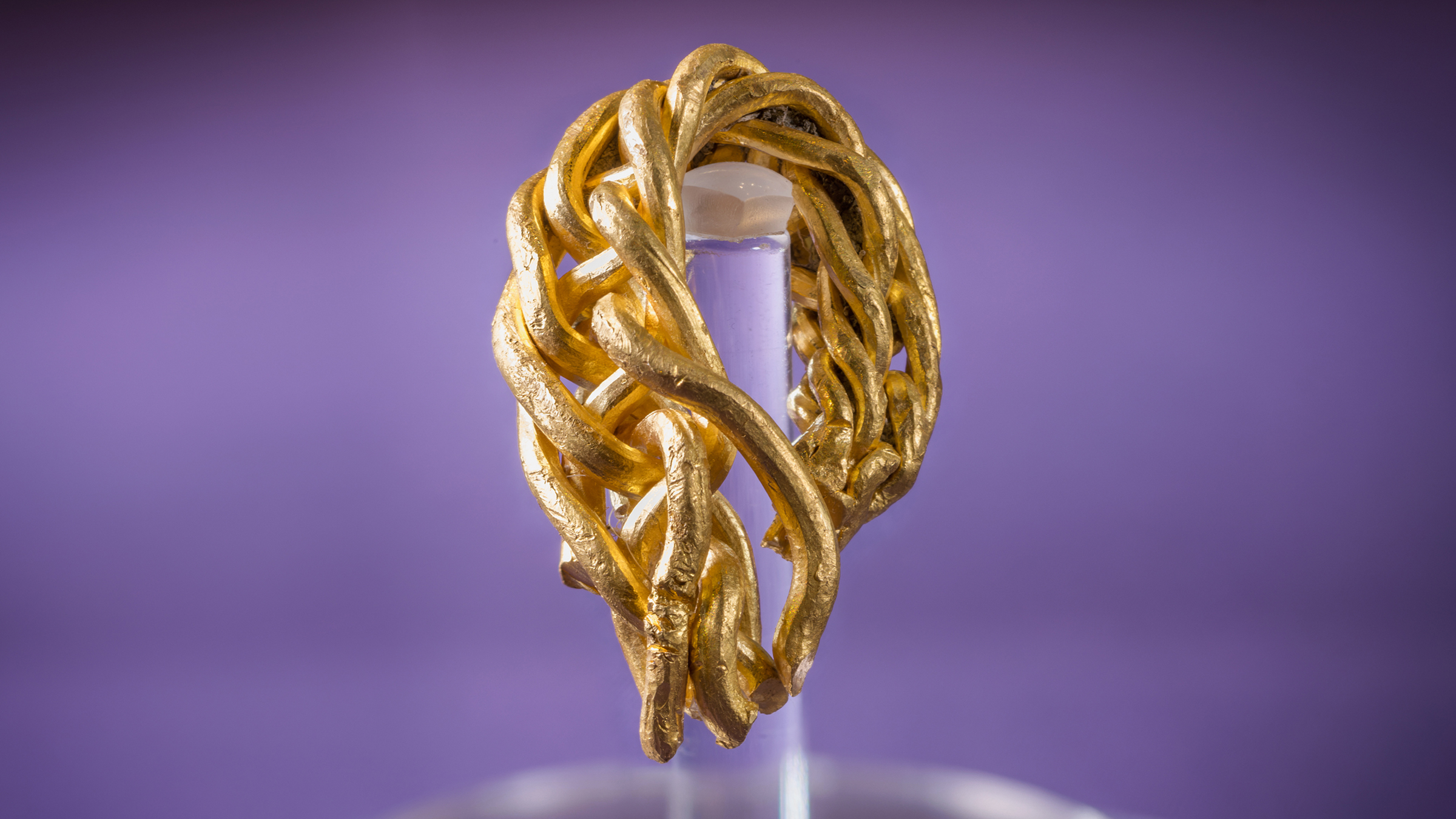
In the Viking Age, from the late 8th to the late 11th centuries, personal adornment was a public declaration of one’s place in the world. A simple farmer might wear a pewter brooch or an iron ring, functional and humble. A successful raider or trader, however, would be laden with silver and gold, their wealth worn for all to see. This wasn’t just vanity; it was a crucial part of the social and economic fabric. Arm rings, known as torcs, were a form of portable currency, easily broken into smaller pieces—known as hack-silver—to trade for goods and services. A jarl, or chieftain, would reward his loyal warriors with these rings, forging a literal and symbolic bond of allegiance that was as strong as the metal itself. Every piece, from the smallest glass bead to the most elaborate golden torc, told a story of journeys taken, battles won, and gods revered. It was a tangible link to their identity, their community, and their place in the epic saga of Norse life.
The motifs carved and cast into these pieces were not chosen at random. They were powerful symbols drawn from the depths of Norse mythology, intended to offer protection, invoke strength, or signify a connection to the divine. The swirling forms of beasts, the stark geometry of knots, and the revered hammer of a god were all part of a visual lexicon understood by all. In this article, we delve into the world of Viking jewelry, exploring the iconic symbols, the functional elegance, and the masterful craftsmanship that allowed these ancient treasures to define both the warrior and the artist. Step with us into the forge, and discover the spirit of the North in every thread of metal.
More than adornment: status and function in norse society
To truly understand Viking jewelry, we must look past its shine and see its purpose. Every piece worn by a Norse man or woman served a function, whether practical, social, or economic. These objects were deeply integrated into the daily lives and social structures of the Viking world, acting as tools, symbols of status, and pillars of the economy.
Perhaps the most essential and ubiquitous pieces were brooches, or fibulae. Far from being simple pins, these were critical pieces of engineering that held clothing together. For women, a pair of oval-shaped tortoise brooches were typically worn on the chest to secure the straps of their apron-style dress (smokkr). A third, often a trefoil or equal-armed brooch, might be used to fasten a shawl or cloak at the center. These brooches were often incredibly ornate, featuring detailed filigree and granulation, and were sometimes connected by chains from which tools like tweezers, ear spoons, or keys would hang. They were a woman’s display of her household’s wealth and her status as its manager. Men, on the other hand, favored a single, large penannular (ring-and-pin) brooch worn on the right shoulder to fasten their heavy wool cloaks, keeping their sword arm free. The size and material of this brooch—from simple iron to gilded silver—directly reflected the wearer’s standing in the community.
Arm rings and neck rings held a particularly powerful place in Viking society. These were not merely bracelets or necklaces; they were the embodiment of wealth and loyalty. The Viking economy was largely based on bullion, and silver was the metal of choice. Arm rings were, in essence, wearable bank accounts. When a payment was needed, a piece could be hacked off and weighed. This practice of using ‘hack-silver’ is why archaeologists often find fragmented pieces of stunningly beautiful jewelry. More importantly, these rings were central to the bond between a chieftain and his warriors. In sagas and poems, lords are often referred to as ‘ring-givers.’ By bestowing a silver or gold arm ring upon a warrior, a chieftain was rewarding loyalty and securing a sworn oath. To accept the ring was to pledge fealty. To wear it was a constant, visible reminder of that bond and the warrior’s value to his leader. This transformed a simple piece of jewelry into a potent symbol of the hierarchical, honor-based society of the Norse people.
Even smaller items like beads and finger rings carried significant weight. Glass beads, often colorful and intricate, were highly prized by Norse women. They were strung together to be worn between their tortoise brooches or as necklaces. The materials tell a story of the vast Viking trade network; carnelian from the Middle East, amber from the Baltic shores, and intricate ‘millefiori’ glass beads from continental Europe have all been found in Viking graves. For men and women, finger rings, often made of twisted silver wires or cast with intricate designs, could signify personal identity or a connection to a particular group. Some were even inscribed with runes, perhaps with the owner’s name or a magical incantation. In a world without written contracts, these visible markers of status, wealth, and allegiance were the threads that held the fabric of Viking society together.
The powerful symbols forged in silver and gold
While function and status were paramount, the soul of Viking jewelry lies in its powerful symbolism. The Norse people lived in a world governed by fate (wyrd) and the will of powerful gods. Their jewelry was a way to connect with this spiritual realm, to carry a piece of divine protection with them into the chaos of battle or the uncertainty of a long sea voyage. These were not just images; they were talismans, imbued with the very essence of the myths they represented.
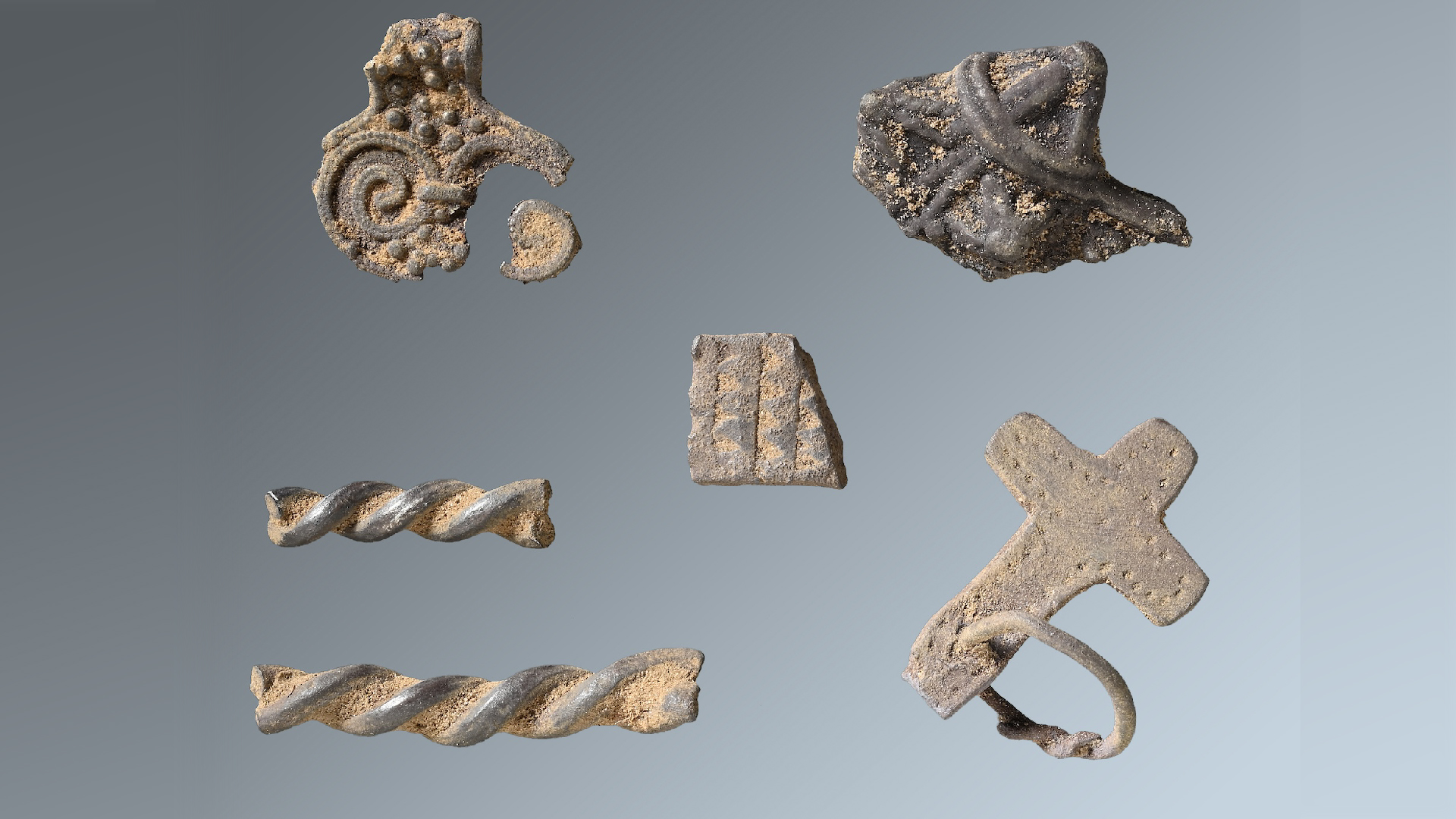
Without a doubt, the most iconic and enduring symbol from the Viking Age is Mjolnir, the Hammer of Thor. As the god of thunder, Thor was a fierce protector of mankind, a powerful warrior who stood against the destructive forces of giants. His hammer was a weapon of immense power, capable of leveling mountains, but it was also a tool of consecration and blessing. Wearing a Mjolnir pendant was an invocation of Thor’s strength and protection. It was a clear statement of faith, particularly during the period of Christian conversion when wearing a hammer became a sign of adherence to the old ways, in direct contrast to the Christian cross. Hundreds of these hammer amulets, ranging from simple iron to ornate silver, have been discovered across the Viking world, a testament to the deep reverence for this powerful deity.
Another potent, though more enigmatic, symbol is the Valknut, the ‘knot of the slain.’ Comprised of three interlocked triangles, this symbol is strongly associated with the Allfather, Odin. It appears on picture stones and artifacts found in burial contexts, often alongside scenes depicting warriors and Odin himself. Its true meaning is debated among scholars, but it is widely believed to represent the transition between life and death and Odin’s power to bind and unbind the fates of men. It may have been a symbol worn by warriors who dedicated themselves to Odin, embracing the idea of a glorious death in battle that would earn them a place in Valhalla. To wear the Valknut was to align oneself with the god of wisdom, war, and death—a heavy and powerful commitment.
Beyond the symbols of the gods, the Norse worldview was captured in other powerful motifs. Yggdrasil, the World Tree, was the immense ash tree that connected the Nine Worlds of Norse cosmology. Jewelry depicting its sprawling branches and deep roots symbolized the interconnectedness of all things—life, death, and the cosmic order. Animal motifs were also incredibly popular, particularly gripping beasts and intertwining serpents or dragons. These creatures, often depicted in a stylized, almost abstract form, represented the chaotic and powerful forces of nature. Jormungandr, the Midgard Serpent, who was so large he encircled the world, was a common theme, symbolizing the eternal cycle of destruction and rebirth. These intricate designs were not just decorative flourishes; they were a way of acknowledging and respecting the powerful, often dangerous, forces that shaped their world.
The master craftsmanship of the norse artisan
The enduring legacy of Viking jewelry is not just due to its symbolic weight but also to the extraordinary skill of the artisans who created it. Working with limited tools in dimly lit workshops, Norse metalsmiths produced pieces of staggering complexity and beauty. Their mastery over metal reveals a deep understanding of both material and artistry, turning raw silver, gold, and bronze into masterpieces that have survived a thousand years.
Silver was the metal of the Viking Age. It flowed into Scandinavia from the Islamic Caliphates via Russian rivers and from raids and tribute in Western Europe. It was the foundation of their economy and the primary material for high-status jewelry. Gold, while rarer and reserved for the absolute elite, was used to create breathtaking pieces that showcased the pinnacle of the smith’s art. However, a wide range of other materials was also employed. Bronze and other copper alloys were common for everyday items like brooches and pins. Natural materials were also highly valued. Amber, the ‘gold of the north,’ was gathered from the shores of the Baltic Sea and carved into beads and pendants. Jet, a fossilized wood, was fashioned into dark, glossy ornaments. Walrus ivory, bone, and even animal teeth were carved with precision, while colorful glass beads, many imported, added vibrancy to their adornments.
The techniques used by these smiths were sophisticated and required immense patience and a steady hand. One of the most characteristic techniques was filigree, where thin, twisted wires of metal were soldered onto a surface to create delicate, lace-like patterns. Another was granulation, the art of applying tiny spheres of metal to a piece to add texture and intricate detail. The lost-wax casting method allowed for the creation of complex, three-dimensional objects. A model would be carved from wax, encased in clay, and then heated. The wax would melt and run out, leaving a perfect mold into which molten metal was poured. This technique was used to create everything from the bodies of tortoise brooches to detailed animal-head terminals on neck rings. Finally, techniques like repoussé (hammering a design from the reverse side) and chip-carving (using punches and chisels to create faceted, light-catching surfaces) added depth and brilliance to the finished piece. Many items were also engraved with runes or geometric patterns, further personalizing them and adding another layer of meaning.
This dedication to craftsmanship meant that even the most functional object was an opportunity for artistic expression. The beauty of a Viking artifact lies in this perfect marriage of form and function. A brooch was not just a pin; it was a canvas for the smith’s artistry. An arm ring was not just currency; it was a sculpture to be worn. This legacy of skill and artistry is why Viking jewelry continues to captivate us today. It speaks of a people who, surrounded by a harsh and unforgiving world, chose to create objects of profound elegance and enduring strength. In every twist of wire and every polished surface, we can still feel the fierce and creative spirit of the North.

 vikings


