
Forged in fire: the materials and artistry of norse jewelry
When we picture a Viking, the mind often conjures images of horned helmets (a myth, by the way), formidable axes, and a fierce, unyielding gaze. Yet, beneath the rugged exterior of the warrior lay a deep appreciation for beauty, artistry, and symbolism, most profoundly expressed through their jewelry. This was not mere decoration; it was a language spoken in metal and stone, a testament to a culture that balanced brutality with sophisticated craftsmanship. Viking jewelry was forged from the very earth they roamed, imbued with the spirit of the North, and designed to be as resilient as the people who wore it.

Silver was the undisputed king of Viking metals. It flowed through their trade routes, was brought back from daring raids, and became the standard for wealth. Unlike modern currency, Viking wealth was wearable. A jarl or successful warrior didn’t just own silver; they wore it in the form of heavy arm rings, intricate neck torcs, and detailed pendants. This concept, known as the ‘hacksilver’ economy, meant that a piece of a bracelet could be literally hacked off and weighed to pay for goods. It was a practical, portable treasury that also declared one’s status to the world. The shinier and heavier your silver, the more successful you were perceived to be.
Gold, while rarer and reserved for the highest echelons of society, carried an almost mythical prestige. Found in the graves of kings and legendary chieftains, gold jewelry was the ultimate symbol of power and divine favor. Bronze and iron were more common, used for everyday items like brooches and simple pendants, accessible to a wider range of the population. These humbler metals were no less skillfully worked, often displaying the same complex patterns as their more precious counterparts.
But the true magic lay in the hands of the Norse smith. These artisans were masters of their craft, using techniques that still command respect today. They employed lost-wax casting to create complex, three-dimensional pieces like the iconic animal-head brooches. Filigree, a delicate process of soldering twisted threads of metal onto a surface, created lace-like patterns of breathtaking complexity. Granulation involved fusing tiny spheres of metal to a piece, adding texture and a shimmering effect. These were not simple, hammered trinkets. They were miniature sculptures, each telling a story of mythological beasts, divine protection, and the interconnectedness of the cosmos. Every swirl of wire and every stamped pattern was a deliberate act of creation, turning raw metal into a powerful emblem of Viking identity.
Symbols of power and protection: decoding the meaning behind the metal
To wear Viking jewelry was to carry your beliefs, your allegiance, and your hopes upon your person. Each piece was a vessel of meaning, drawing power from the rich tapestry of Norse mythology. These symbols were not passive decorations; they were active talismans, believed to offer protection in battle, guidance on long voyages, and favor from the gods. Understanding these symbols is to understand the Viking mind, a world where the divine and the mortal were in constant, dynamic interaction.
Perhaps no symbol is more synonymous with Viking strength than Mjölnir, the Hammer of Thor. As the god of thunder, Thor was the defender of Midgard (the realm of humans) and a symbol of raw, protective power. Wearing a Mjölnir pendant was an invocation of his strength. It was worn by warriors seeking protection in the chaos of a shield wall, by farmers hoping for fertile lands, and by sailors praying for safe passage through stormy seas. It was a universal symbol of protection, order, and righteousness against the forces of chaos. Archaeological finds across the Viking world, from Britain to Russia, are rich with these hammer amulets, a testament to their profound importance in daily life.
For the dedicated warrior, the Valknut, or ‘knot of the slain,’ was a more somber and potent symbol. Composed of three interlocked triangles, its exact meaning is still debated by scholars, but its connection to Odin, the Allfather, is undeniable. It appears on runestones and memorial stones associated with battle and death. It is widely believed to symbolize the binding and unbinding of magic and fate, and to mark a warrior who had dedicated their life to Odin. To wear the Valknut was to accept one’s fate and to fight with the hope of being chosen by the Valkyries for a glorious afterlife in Valhalla.
Beyond specific gods, the Vikings saw divinity in the world around them. Yggdrasil, the World Tree, was the cosmic axis connecting the Nine Realms. Jewelry depicting its sprawling branches and deep roots symbolized the interconnectedness of all things—life, death, and rebirth. Animal motifs were also incredibly powerful. The wolf, representing ferocity and cunning, was often linked to Odin’s companions, Geri and Freki. Ravens, symbolizing thought and memory, invoked Odin’s ever-watchful eyes, Huginn and Muninn. The serpent or dragon, like Jörmungandr who encircled the world, was a symbol of the destructive and creative cycle of the universe. By wearing these symbols, a Viking wasn’t just accessorizing; they were aligning themselves with the fundamental forces of their cosmos, drawing strength from the very fabric of their mythology.
More than adornment: the role of jewelry in viking society
In the Viking Age, jewelry was deeply woven into the social, political, and economic fabric of the community. It was a public declaration of identity, loyalty, and achievement. From the moment of birth to the final journey to the afterlife, pieces of metal and bead marked the significant milestones and relationships of a person’s life. It was a tangible record of a life lived within the Norse world, a silent saga told in silver and gold.
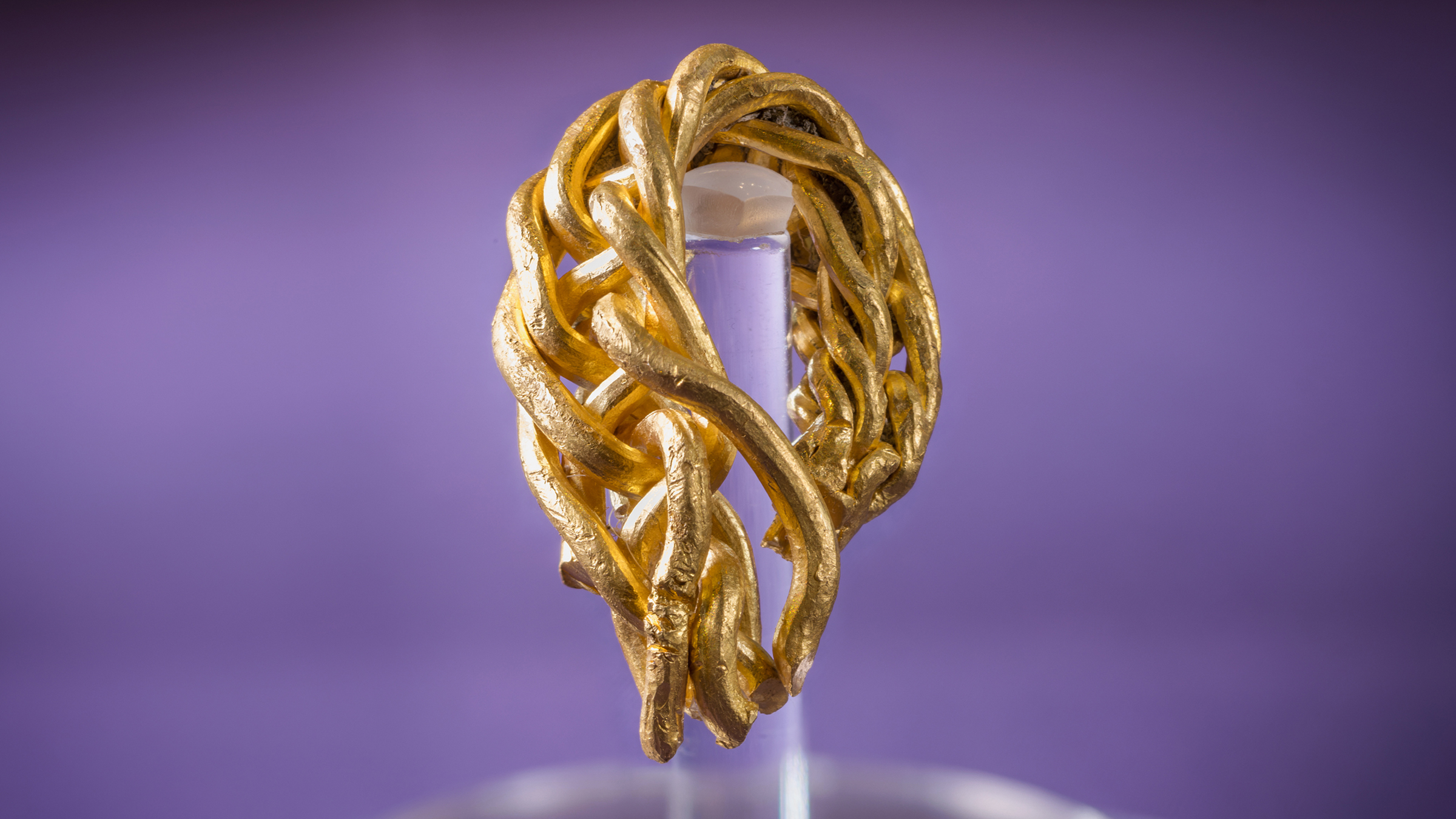
The most potent example of this is the arm ring, or oath ring. These heavy bracelets, often made of twisted silver, were far more than simple ornaments. They were the bonds of loyalty. A jarl or chieftain would reward his warriors with arm rings, not just as payment, but as a physical symbol of the fealty sworn between them. The warrior, in accepting the ring, pledged his spear and his life to his lord. To be a ‘ring-giver’ was to be a generous and powerful leader, and to receive one was a mark of honor and trust. This tradition is immortalized in sagas and poems, where lords are praised for their generosity and warriors display their collection of rings with immense pride. These were not meant to be removed; they were a permanent mark of one’s place in the social hierarchy.
Jewelry also played a crucial role in defining gender roles and responsibilities. While both men and women wore rings, necklaces, and pendants, some items were distinct. A Viking woman’s traditional attire, the Hangerok or apron-dress, was held up at the shoulders by a pair of large, ornate brooches, often of the ‘tortoise’ or oval variety. These were not just functional fasteners; they were the centerpiece of her ensemble. Suspended between these brooches were often elaborate strings of glass, amber, and silver beads. From these beads, she might hang keys, small tools, and amulets, symbolizing her status as the manager of the household and farmstead. Her jewelry was a declaration of her domain and authority within the community.
Men’s jewelry, in contrast, was often heavier and more directly related to warrior status and wealth. Massive neck torcs and thick arm rings spoke of physical strength and success in raiding or trade. The Mjölnir pendant was more commonly, though not exclusively, a male adornment. For both men and women, however, jewelry was an essential part of their funerary rites. Vikings were often buried with their finest pieces, ensuring they would enter the afterlife with the same status and wealth they held in the world of the living. This practice has provided archaeologists with the incredible treasures that allow us to piece together the story of their lives, a story where strength and elegance were not opposing forces, but two sides of the same, masterfully forged coin.

 vikings


