
Embrace natural fabrics and earthy tones
Before you can wear the symbols of the North, you must first build the foundation. The Viking aesthetic is born from the rugged landscapes they called home. It’s a style forged by necessity, shaped by the unforgiving seasons, and built to last. Forget cheap, synthetic materials; the path to authentic Norse style begins with embracing the very elements they lived with: wool, linen, and the colors of the earth.
1. Master the art of layering with wool and linen
The core of any Viking-inspired wardrobe is built upon two legendary fabrics: wool and linen. Linen, made from the flax plant, was the fabric of the undergarments. It was breathable in the mild summers and provided a comfortable layer against the skin beneath rougher wool. Wool was the shield against the cold, the wind, and the rain. Its natural lanolin oils made it water-resistant, and its insulating properties were unmatched.
How do you bring this into your modern life? Start by investing in quality basics. A well-made linen shirt in a natural, undyed color is incredibly versatile. It can be worn on its own in warmer months or as a base layer when the temperature drops. For your outer layers, seek out 100% wool sweaters, cardigans, or even a simple, functional cloak or poncho for the truly adventurous. The key is to focus on the material’s quality and texture. Feel the weight of the fabric, appreciate its durability, and understand that you’re not just wearing a piece of clothing—you’re wearing a piece of history.
2. Adopt a palette drawn from the northern lands
The Vikings didn’t have access to neon dyes. Their colors were pulled directly from the world around them, created from plants, minerals, and insects. This resulted in a rich, earthy palette that is both timeless and easy to wear. Think of the deep greens of a mossy forest, the rich browns of soil and leather, the rust-red of dried blood or madder root, the charcoal grey of storm clouds, and the deep blue of the North Sea.
Integrating these colors is simple. Start by replacing overly bright or synthetic-looking pieces in your wardrobe with these more subdued, natural tones. An olive green tunic, a brown leather belt, or a charcoal wool sweater immediately evokes a more grounded, powerful aesthetic. These colors work exceptionally well together, making it easy to create layered, textured outfits that look intentional and authentically inspired.
3. Layer for function, not just fashion
For the Norse, every layer had a purpose. A linen undertunic wicked away sweat, a wool kyrtle provided warmth, and an outer cloak offered protection from the elements. This philosophy of functional layering is a cornerstone of Viking style that translates perfectly to modern life. It’s about building an outfit that can adapt to changing conditions, whether you’re moving from the cold outdoors to a warm indoor space or facing an unpredictable day of weather.
Think in threes: a base layer (like a linen shirt or simple cotton tee), a mid-layer (a wool sweater, a vest, or a thicker tunic), and an outer layer (a durable jacket, coat, or a modern shawl/cloak). This not only provides practical comfort but also adds visual depth and texture to your look, making it far more interesting than a single, simple garment.
Incorporate powerful norse symbolism and jewelry
Once you’ve established a foundation of natural materials and earthy colors, it’s time to add the soul of the Viking warrior: the symbols and adornments that spoke of their beliefs, their allegiances, and their personal sagas. This is where you can truly customize your look and connect with the deeper meaning behind the style. It’s not about ostentatious display, but about wearing your story.
4. Adorn yourself with meaningful jewelry
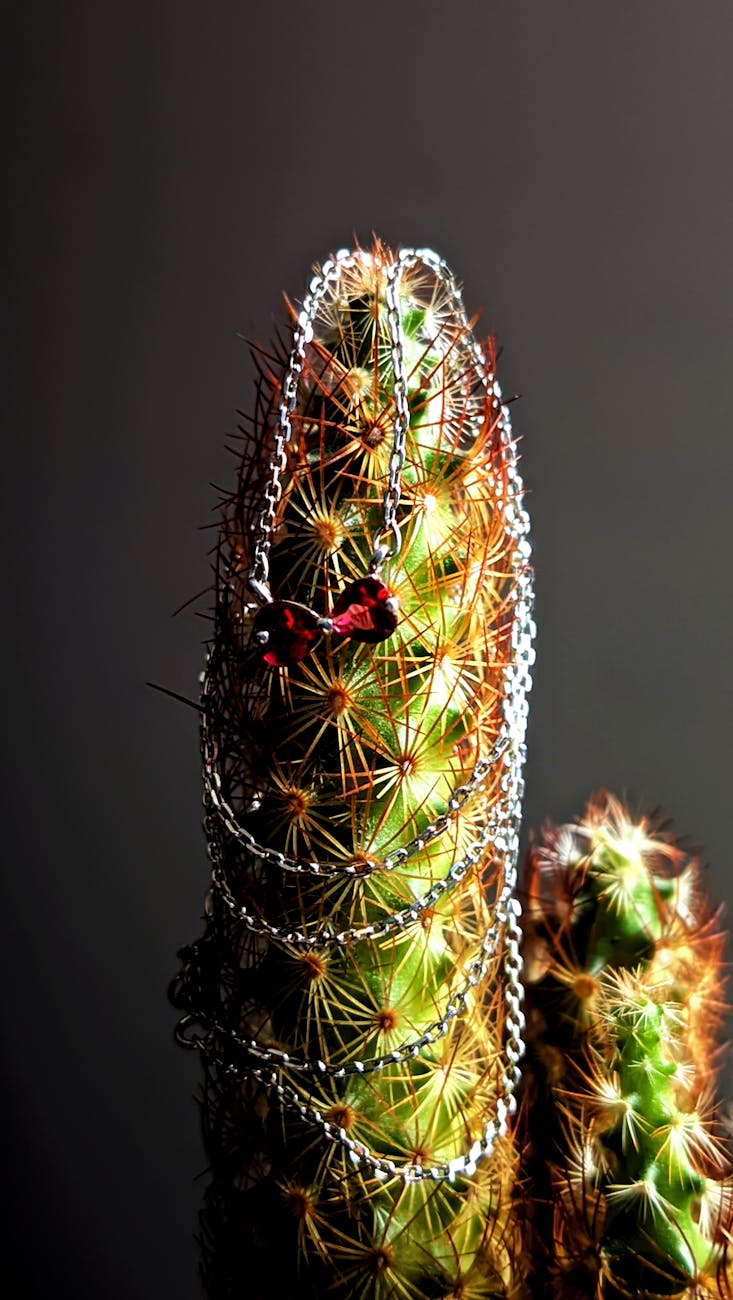
Jewelry was not mere decoration for the Vikings; it was a display of wealth, a mark of status, and often, a powerful amulet. Men and women alike wore intricate pieces crafted from silver, bronze, iron, and pewter. The most iconic of these is the Mjolnir, Thor’s hammer, a symbol of protection, strength, and consecration. Wearing a Mjolnir pendant is perhaps the most direct way to connect with the warrior spirit.
But don’t stop there. Explore other symbols like the Valknut, the knot of the slain, associated with Odin and the transition between life and death. Consider a runic ring inscribed with a word of power, or a twisted arm ring, which historically served as both adornment and portable currency. Choose a piece that resonates with you personally. Let it be a private source of strength, a tactile reminder of the resilience and courage you wish to embody.
5. Weave in subtle runic embroidery
For a more personal and understated approach, consider the power of runes. The Elder Futhark alphabet was more than just a writing system; each rune held a deep, esoteric meaning. You don’t need to cover your clothes in overt symbols to make a statement. A single rune or a personal bindrune (a combination of multiple runes into one symbol) embroidered onto a cuff, the inside of a collar, or the hem of a tunic can be a powerful, hidden detail.
Choose a rune that represents a quality you admire or a goal you’re striving for—Tiwaz for victory and justice, Fehu for wealth and prosperity, or Algiz for protection. This small, custom touch transforms a simple garment into a personal talisman.
6. Anchor your look with a proper belt
In the Viking Age, a belt was not an optional accessory; it was an essential piece of equipment. It held up their trousers, but more importantly, it was where they carried their tools for daily life: a knife, a pouch, a whetstone, and other necessities. A modern Viking-inspired look demands a proper belt—not a flimsy fashion accessory, but a sturdy, wide strap of quality leather that feels substantial.
Elevate this essential piece with a distinctive buckle. Look for hand-forged iron or cast bronze buckles with knotwork designs, animal motifs, or geometric patterns. This single accessory can anchor your entire outfit, providing a focal point that is both functional and deeply rooted in Norse tradition.
7. The functional elegance of the brooch
The fibula, or brooch, was another indispensable item. The most common type, the penannular brooch (an incomplete ring with a pin), was used to fasten a cloak at the shoulder. While you may not be wearing a full cloak every day, this beautiful and functional piece can find its place in a modern wardrobe. Use a quality penannular brooch to fasten a heavy scarf or shawl in the winter. It can also be used to pin a cardigan closed or simply as a decorative element on the lapel of a thick wool coat. It’s a unique and authentic alternative to a simple pin or button.
Adopt the warrior’s spirit in grooming and accessories
The Viking way of life extended beyond clothing and jewelry. It was present in their grooming, their tools, and most importantly, their mindset. To truly bring the spirit of the North into your life, you must look at the details—the way you carry yourself, the tools you use, and the spirit you cultivate.
8. Cultivate a warrior’s hair and beard

Contrary to popular depictions of wild, unkempt barbarians, Vikings took great pride in their grooming. Combs, made from bone or antler, are one of the most common archaeological finds from the era. Hair was kept clean and often styled elaborately. For those who can grow it, a well-kept beard is a powerful statement. It was a sign of virility and honor in the Norse world. Consider adding small braids, perhaps adorned with custom beard beads or rings made of silver or bronze.
This isn’t limited to men. Women’s hairstyles were also complex, often involving intricate braids and knots. Whether your hair is long or short, embracing braided styles is a direct nod to Viking culture. It’s a practical way to keep hair in order while creating a look that is both beautiful and fierce.
9. Invest in handcrafted leather goods
Craftsmanship was paramount. A Viking’s tools and accessories were made to endure. This ethos is perfectly captured in handcrafted leather goods. Beyond a belt, consider incorporating other quality leather pieces into your daily life. A simple leather pouch or satchel, a wide leather cuff or bracer, or a pair of sturdy, well-made leather boots can instantly elevate your style. Look for pieces with hand-stitching, tooled designs, or rugged, durable hardware. Like a good blade, these items are investments that will age with you, gaining character and telling their own story over time.
10. Embrace the mindset of the North
Ultimately, the most profound way to bring Viking style into your life has nothing to do with what you wear. It’s about adopting the spirit that forged their culture. It’s the spirit of resilience in the face of hardship, the courage to explore the unknown, and a deep, abiding connection to the natural world. It’s an appreciation for things that are handcrafted, functional, and built to last. It’s the loyalty of the shield-wall and the fierce independence of the lone raider.
Wear your Mjolnir not as a fashion accessory, but as a reminder to be strong. Choose your wool coat not because it’s a trend, but because it will shield you from the storm. Build your style around pieces that are meaningful, durable, and authentic. By doing so, you’re not just dressing like a Viking—you’re living with the spirit of the North in every thread and every deed.

 vikings

