
Embracing the echo of the Northmen
When we picture a Viking, the mind often conjures a wild, battle-hardened warrior clad in furs and heavy armor, fresh from a raid. While this image holds a kernel of truth, it barely scratches the surface of a rich and sophisticated culture. The true Viking aesthetic, the style woven into their everyday lives, was one of profound connection to nature, masterful craftsmanship, and deep, symbolic meaning. It was a style born of necessity, shaped by the harsh beauty of the northern lands, and defined by a spirit of resilience and pride.
Bringing this ancient style into your modern life isn’t about donning a costume. It’s about consciously choosing pieces that echo the Norse ethos: quality over quantity, function intertwined with beauty, and a story behind every object. It’s about carrying the strength of your ancestors not as a caricature, but as a quiet, powerful undercurrent in your daily existence. Forget the horned helmets (a myth, by the way) and step into the authentic world of Viking style. Here are 10 practical ways to infuse the spirit of the North into every thread of your life.
1. Adorn yourself with symbolic jewelry
For the Norse people, jewelry was far more than mere decoration. It was a public declaration of wealth, status, and allegiance. It was a vessel for faith, a talisman against ill fortune, and a way to carry the power of the gods. An arm ring, often given by a jarl to his warriors, was a symbol of a sacred oath. A pendant of Mjölnir, Thor’s hammer, was a potent symbol of protection, strength, and consecration.
To bring this tradition into your life, choose a piece that resonates with you. Don’t just pick a symbol because it looks fierce; understand its meaning. A silver Mjölnir pendant can be a daily reminder of your own inner strength. A ring etched with a Valknut might represent a commitment to a path of courage. Look for pieces made from traditional materials like silver, bronze, iron, or amber. The weight of a handcrafted arm ring on your wrist or a cool pendant against your skin connects you to a lineage of warriors, poets, and explorers.
2. Embrace earthy and natural fabrics
The Viking wardrobe was a testament to resourcefulness and an intimate knowledge of the natural world. Their clothing was built to withstand biting winds and unforgiving seasons. The core materials were wool and linen, supplemented by leather and furs.

You can echo this by prioritizing these fabrics in your own closet. Swap out synthetic fast-fashion for a high-quality wool sweater in a deep, earthy tone. Its warmth, texture, and durability are timeless. A simple linen shirt, known as a kyrtill, is breathable in the summer and an excellent base layer in the winter. These fabrics not only look authentic but they feel different. They connect you to the earth and are built to last, a principle the Vikings would have respected. Look for clothing with a visible, satisfying texture that speaks of its natural origins.
3. Master the art of functional layering
The Scandinavian climate demanded a practical approach to dressing. Layering was not a trend; it was a survival skill. A typical Viking outfit consisted of a linen undertunic, a woolen overtunic (kyrtill), trousers (brækr), and often a cloak or caftan for extra warmth. Each layer served a purpose and could be added or removed as the weather changed.
This principle is effortlessly modern. Start with a simple base layer, like a long-sleeved Henley or a thin linen shirt. Add a thicker tunic-style shirt or a rugged wool overshirt. A leather vest or a chunky, cloak-like cardigan can serve as your final layer. This approach creates a silhouette that is both visually interesting and incredibly practical, giving you a subtle nod to Norse attire without looking out of place in a modern city.
4. Invest in quality leather goods
Leather was a cornerstone of Viking life, used for everything from shoes and belts to armor and bags. It was valued for its strength, flexibility, and longevity. A Viking’s belt was not just for holding up his trousers; it was a tool belt from which he hung his knife, pouch, and other essentials.
Incorporate this by investing in timeless leather pieces. A wide, sturdy leather belt with a hand-forged iron or bronze buckle can transform a simple outfit. Choose durable leather boots with a simple, rugged design that can handle any terrain. A well-made leather satchel or messenger bag is a modern equivalent of the Viking pouch, carrying your daily essentials with style and durability. These are not disposable items; they are companions that will age with you, gathering stories and character along the way.
5. Incorporate subtle Norse patterns and embroidery
While much of their daily wear was plain and functional, the Vikings had a flair for decoration. They adorned the cuffs, collars, and hems of their tunics with intricate embroidery and woven braids. These patterns often featured the complex knotwork (like the Borre or Jelling style) and stylized animal motifs that are so iconic to their art.
Look for this detail in modern clothing. A shirt with a subtle embroidered pattern along the collar, or a jacket with a woven trim on its cuffs, can add a layer of authentic detail. You don’t need a garment covered in runes. A small, well-placed detail is often more powerful. This appreciation for subtle craft speaks to a deeper understanding of the Norse aesthetic, where beauty was often found in the masterful execution of small, intricate details.
6. Let your hair and beard grow (and groom it well)
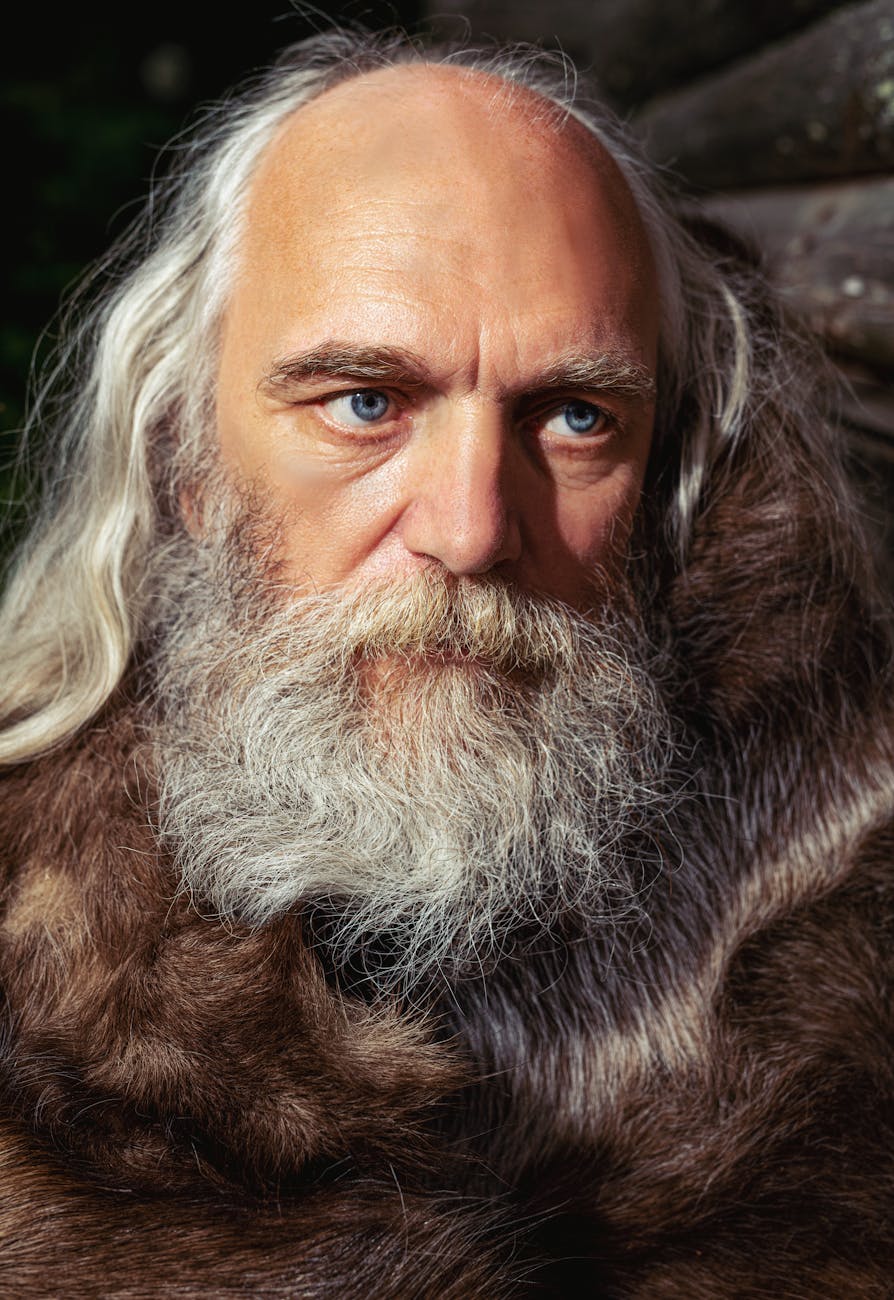
Long hair and formidable beards are undeniably part of the classic Viking image, and for good reason. They were symbols of virility and freedom. But contrary to popular belief, Vikings were not unkempt. Archaeological digs are rich with discoveries of combs, tweezers, and razors. They took pride in their appearance.
If it suits you, let your hair and beard grow, but maintain them. For men, a well-groomed beard, perhaps with a few beads or braided strands, is a powerful statement. For both men and women, long hair can be styled in intricate braids, a look that is both historically accurate and strikingly beautiful today. This isn’t about letting yourself go; it’s about embracing a natural, powerful look and grooming it with intention.
7. Infuse your home with a Nordic spirit
Why should your Viking style end at your wardrobe? The Viking longhouse was the center of family life, a sanctuary of warmth and community. You can bring this feeling into your own home. Focus on natural materials: rough-hewn wood for furniture, slate or stone coasters, and hand-thrown pottery. Drape wool blankets and sheepskin throws over your chairs and sofa to create a sense of cozy refuge, the modern-day version of sitting by the longhouse fire.
For decoration, consider a displayed drinking horn, a carved wooden bowl for your keys, or wrought iron candle holders. The goal is to create a space that feels grounded, warm, and connected to the natural world. It’s less about a specific look and more about a feeling—a haven that is both rugged and deeply comforting.
8. Choose a palette inspired by the northern lands
The colors of the Viking Age were derived from the world around them. Dyes were painstakingly created from plants, minerals, and insects. This resulted in a rich, earthy palette that harmonized with the Scandinavian landscape.
Build your wardrobe around these colors. Think of the deep green of a pine forest, the rich brown of fertile soil, the stormy gray of the North Sea, and the muted blue of a winter sky. For accents, use the bold, blood-red of the madder plant or the sunny yellow of weld. These colors are not only historically resonant but also timeless and easy to coordinate. Dressing in this palette is like wrapping yourself in the northern landscape itself.
9. Adopt a mindset of skill and self-sufficiency
Perhaps the most profound way to embrace the Viking style is to adopt the Viking ethos. Theirs was a world where you had to be capable. A person’s worth was measured by their skills, whether in battle, sailing, farming, or crafting. The objects in their lives were not mass-produced; they were made with purpose and skill, often by their own hands or the hands of a neighbor.
Channel this spirit by learning a practical craft. Try your hand at woodworking, leatherworking, or even basic metal forging. Learn to knit a woolen hat or mend your own clothes. This mindset of self-sufficiency and the appreciation for handmade quality is the very soul of the Viking way. To create something useful and beautiful with your own two hands is to connect with the deepest currents of your Norse heritage.
10. Walk with purpose in sturdy, practical footwear
A Viking was always ready to journey, whether across a field or across the sea. Their footwear had to be up to the task. Simple leather turn-shoes or more robust boots were essential, designed for function and durability above all else.
Your choice of footwear grounds your entire look, both literally and figuratively. Opt for high-quality boots made of real leather. Look for simple, classic designs that prioritize comfort and durability over fleeting trends. A good pair of boots should make you feel capable and ready for anything, prepared to walk your own path with a firm and steady tread. It’s the foundation upon which the rest of your modern Viking style is built.
The spirit of the North in every thread
Weaving the Viking style into your everyday life is a journey of intention. It is about choosing objects that have weight, history, and meaning. It is about valuing the strength of natural materials and the beauty of skilled craftsmanship. Whether you start with a single silver ring or a commitment to buying clothing that lasts, each choice is a quiet rebellion against the disposable nature of the modern world.
This is more than an aesthetic; it’s a way of carrying an ancient spirit forward. It’s about walking through your life with the fierce heart and capable hands of a Northman. What is the first step you will take on this path? Share your own ideas for embracing the Viking style in the comments below.

 vikings


