
Echoes on the battlefield: Who were the shieldmaidens?
The clang of steel, the bite of a Nordic wind, and the roar of a warrior charging into the fray. When we imagine the Viking Age, we often picture fearsome, bearded men, axes in hand. But listen closer, beneath the din of battle, and you might hear another sound—a different kind of war cry. This is the song of the shieldmaiden, a figure as enigmatic as she is ferocious, whose legacy is woven into the very fabric of Norse culture.
For centuries, the shieldmaiden has occupied a space between myth and history. Was she a common sight on the battlefields of the North, or merely a powerful literary invention designed to inspire and entertain? The answer, like many things from the Viking Age, is complex and buried under layers of soil and saga. She is both a ghost and a god, a historical possibility and a mythological powerhouse.
The term ‘shieldmaiden’ (or ‘skjaldmær’ in Old Norse) refers to a woman who chose to fight as a warrior, taking up the sword and shield to stand alongside her male counterparts. These were not simply women defending their homes in a moment of crisis; they were said to have dedicated their lives to the warrior’s path. From the legendary tales of Lagertha to the chilling discovery of a female warrior’s grave, the evidence beckons us to explore the world of these incredible women. Join us as we uncover the stories, the steel, and the steadfast spirit of the shieldmaidens, whose courage echoed far beyond death.
Whispers in the sagas: The legendary women of the North
Our first glimpse into the world of the shieldmaiden comes from the ink and parchment of the Norse sagas and historical chronicles. While these texts were often recorded centuries after the events they describe, they provide a rich tapestry of the values and archetypes that defined the Viking world. Within these stories, warrior women are not just present; they are often pivotal characters, driving the narrative with their ambition, rage, and unwavering bravery.
Perhaps the most famous literary shieldmaiden is Lagertha, whose tale is chronicled by the 12th-century Danish historian Saxo Grammaticus in his work, *Gesta Danorum*. According to Saxo, Lagertha was a skilled warrior who fought alongside the legendary Ragnar Lothbrok. He describes her and other women who, to avoid the shame of capture, “put on men’s clothes and devoted themselves to the occupations of war.” Saxo was captivated by Lagertha’s spirit, noting, “a woman with a man’s courage, who fought in front among the most valiant, her hair loose over her shoulders. All marvelled at her matchless feats, for the locks flying down her back betrayed that she was a woman.”
But Lagertha is not alone. The sagas are filled with formidable female figures. In the *Hervarar saga ok Heiðreks*, we meet Hervor, a woman who defies convention to claim her cursed ancestral sword, Tyrfing, directly from her father’s burial mound. She embraces her destiny as a warrior, leads fleets, and engages in bloody raids, all while embodying the Viking ideals of honor and lineage. Then there is Brynhildr, a powerful Valkyrie in the *Völsunga saga*, punished for her defiance by the god Odin. Her story is one of tragic love and fierce independence, a warrior maiden whose fate is intertwined with the greatest heroes of her age.
These stories, while likely embellished, are more than just fantasy. They reflect a culture that, at the very least, could conceive of women in such powerful roles. They show that the concept of a woman wielding a sword was not alien to the Norse imagination. These sagas are the first songs of the shieldmaiden, painting a picture of women who valued honor above all and were willing to carve their own destiny with a blade, seeking a glorious death that would earn them a seat in the halls of Valhalla.
Scratched in stone and buried in earth: The archaeological evidence
For a long time, the epic tales of shieldmaidens were dismissed by many historians as pure fiction. The idea of female Viking warriors seemed too romantic, a literary trope rather than a historical reality. But the earth itself holds its own stories, and in recent decades, archaeology has begun to provide tantalizing physical evidence that brings these sagas to life.
The most groundbreaking discovery came from a 10th-century grave in Birka, Sweden. Designated Bj 581, this burial was unearthed in the late 1800s and was long considered the archetypal grave of a high-status Viking warrior. The individual was interred with a breathtaking array of martial equipment: a sword, an axe, a spear, armor-piercing arrows, two shields, and the remains of two horses. A full set of gaming pieces lay on the individual’s lap, suggesting a strategic mind, a leader of troops. For over a century, the inhabitant of this grave was assumed to be a man.
However, in 2017, a team of researchers conducted a DNA analysis on the skeletal remains. The results were stunning: the high-ranking warrior of Birka was, biologically, a woman. This discovery sent shockwaves through the historical community. Here was not a myth, but a woman of flesh and blood, buried with all the honors and equipment of a professional warrior. She was not just a woman with a weapon; she was a respected military commander. The Birka warrior woman provides the most compelling evidence to date that shieldmaidens were not confined to the pages of the sagas.
While the Birka grave is the most definitive example, it is not the only one. Female graves containing weapons like axes and spears have been found across Scandinavia and in Viking settlements abroad. Skeletons of women have been discovered with signs of battle-related trauma, their bones bearing the cuts and parries of a life of conflict. Scholars still debate the frequency and exact role of these warrior women—were they a rare exception, or a more integrated part of Norse military life? Regardless, the archaeological record confirms a crucial point: some women in the Viking Age lived and died as warriors, and their communities chose to honor them in death for their martial prowess.
The fabric of a warrior: Attire and armament of a shieldmaiden
Imagining a shieldmaiden in the heat of battle requires us to strip away the fantasy and focus on function. The popular image of a woman in a leather bikini or flowing gown is a modern invention. A true shieldmaiden’s attire would have been dictated by the brutal necessities of combat, prioritizing mobility, protection, and practicality above all else.
Her clothing would have been similar to her male counterparts, designed to allow for a full range of movement. A base layer of a linen or wool tunic, or *kyrtill*, would provide comfort and insulation. Over this, she would likely wear sturdy trousers, known as *brækur*, which were essential for riding a horse or scrambling over a shield wall. Leather boots, reinforced and waterproofed with animal fat, would complete the foundational garments. This attire was a statement in itself, a clear departure from the long dresses and aprons typical of most women in Norse society. It signaled a different role, a different path.
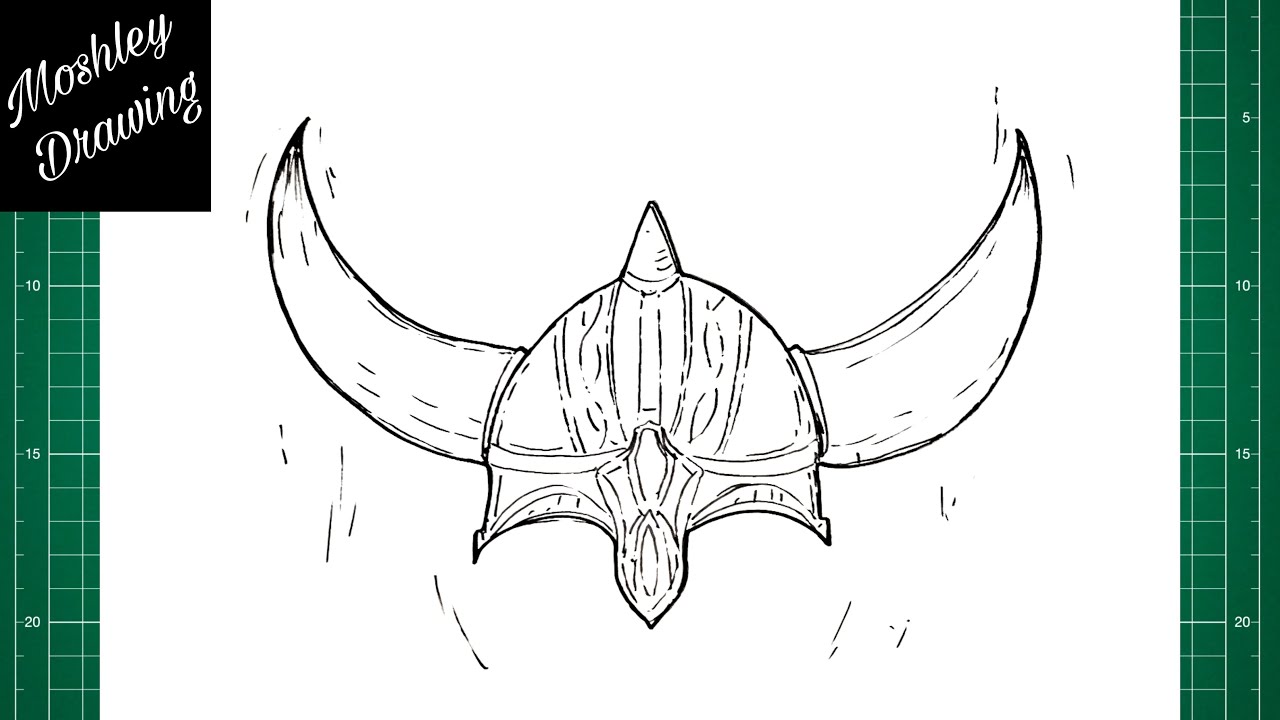
For protection, armor was key. A thick, padded leather jerkin or gambeson would have been the most common form of defense, capable of absorbing the shock from blunt force and turning aside a glancing blow. For those with greater wealth and status, like the Birka warrior, a coat of mail, or *byrnie*, offered superior protection against slashing attacks. This interlocking web of iron rings was a testament to a warrior’s success. Crowning it all would be a helmet, likely a simple conical design or the more protective ‘spectacle’ style, which guarded the eyes and nose.
The weapons she carried were her voice on the battlefield. The shield, the very item that gave her the name ‘shieldmaiden,’ was her first and most vital line of defense. A round wooden shield with an iron boss was the constant companion of every Viking warrior. Her primary offensive weapon would likely have been a spear—it was versatile, had a long reach, and was relatively cheap to produce. A seax, a long single-edged knife, served as a practical sidearm. The sword, however, was the ultimate status symbol. A double-edged blade of pattern-welded steel was incredibly expensive and was often a treasured heirloom, passed down through generations. To be buried with a sword was the highest honor, a sign that you were truly one of the warrior elite. For a shieldmaiden, her attire and her arms were not just tools; they were the embodiment of her identity and the symbols of her courage.
Beyond the battlefield: The shieldmaiden’s spirit
The legacy of the shieldmaiden extends far beyond the battlefield. Her story is part of a broader narrative about the remarkable agency and strength of women in Viking society. Unlike many of their contemporaries in other parts of Europe, Norse women could inherit property, run large farms and estates, initiate divorce, and act as powerful matriarchs within their clans. The Viking woman was the keeper of the keys, the manager of the household, and the guardian of the family’s honor. The shieldmaiden can be seen as the ultimate expression of this inherent strength.
This spirit is immortalized in the form of the Valkyries, the divine choosers of the slain. In Norse mythology, these supernatural warrior maidens, led by the goddess Freyja, would descend upon battlefields to select the most courageous fallen warriors and guide them to their afterlife in Valhalla or Fólkvangr. They are the archetypal shieldmaidens, bridging the world of mortals and gods. They embody the Norse fascination with a glorious death and the belief that courage in battle was a virtue worthy of divine reward.
Ultimately, whether she was a historical rarity or a common warrior, the shieldmaiden represents a powerful truth about the Viking Age: courage was a universal virtue, not bound by gender. Her song is one of defiance, independence, and the relentless pursuit of a legacy that could outlast death itself. It is a song that continues to inspire us today, a fierce and timeless melody from the heart of the North.

 vikings


