
Picture a Viking. The image that storms into your mind is likely one of fierce, raw power: a bearded warrior, axe in hand, eyes set on a distant shore. While the axe and longship are undeniable symbols of the Viking Age, a closer look reveals a world of intricate detail and profound meaning, often found glinting on a warrior’s arm or a chieftain’s cloak. Viking jewelry was far more than mere decoration; it was a wearable saga, a language of power, loyalty, faith, and artistry forged in silver, bronze, and gold.
In a society where one’s word was a binding force and one’s reputation was paramount, material possessions spoke volumes. Jewelry served as a public ledger of a person’s achievements, social standing, and allegiances. It was a warrior’s reward, a king’s gift, a woman’s inheritance, and a mystic’s talisman. Each piece, from the weighty arm ring to the delicate filigree of a brooch, tells a story of the person who wore it and the culture that created it. This was not the subtle, hidden adornment of later eras. This was bold, symbolic, and deeply personal. It was a declaration of identity in a harsh and unforgiving world. Join us as we journey beyond the battlefield to uncover the dual nature of Viking jewelry—pieces that define both uncompromising strength and breathtaking elegance.
Wear it: Viking Raven
Premium Norse-inspired apparel, made on demand.
🇺🇸 Fast US shipping · 🇪🇺 Ships across the EU · 🔒 Secure checkout
Arm rings: The currency of loyalty and power
Of all the jewelry worn by the Norse, perhaps none was as culturally significant as the arm ring. Clamped onto the forearm, these heavy bands of twisted metal were a constant, tangible presence. They were not simply accessories; they were symbols of a warrior’s identity, a lord’s generosity, and the very fabric of the Viking social contract. In the sagas and poems, great leaders are not called kings or chiefs, but “ring-givers.” This title was a badge of honor, signifying a lord who was wealthy and powerful enough to reward his loyal warriors with precious gifts of silver and gold. To receive an arm ring from a jarl was to accept a bond, a public oath of fealty sworn upon the metal itself. The ring on a warrior’s arm was a visible sign of his allegiance and a reminder of the spoils of successful raids and unwavering loyalty.
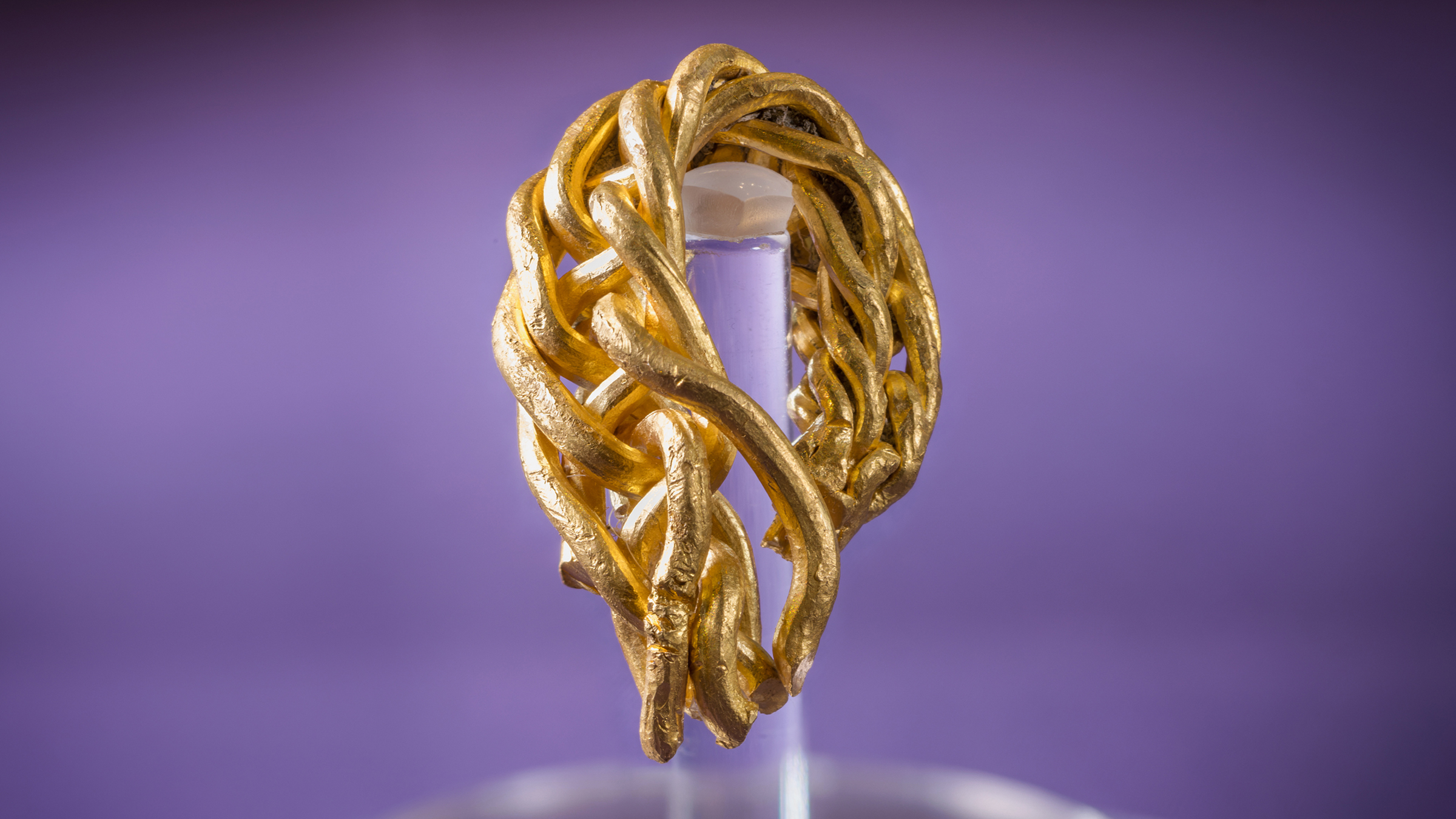
This deep connection to oaths gave them the name “oath rings.” During important ceremonies, vows were sworn upon these rings, imbuing them with a sacred trust. To break such an oath was the ultimate betrayal, a stain on one’s honor that could not be easily washed away. The physical weight of the ring mirrored the weight of the promise it represented. But the arm ring’s function went beyond the symbolic. It was a key component of the Viking Age economy. In a world before standardized coinage became widespread in Scandinavia, commerce often operated on a bullion economy. Wealth was measured in the weight and purity of precious metals. Arm rings, often made to specific weight standards, were a form of wearable wealth. When a Viking needed to purchase goods, pay a debt, or trade at a market, they could literally break or cut a piece off their arm ring. This practice, known as creating “hack-silver,” made these adornments a practical, portable bank account. It’s a stunningly direct fusion of wealth and fashion, where a warrior’s life savings were proudly displayed on his arm, ready to be spent at a moment’s notice.
The designs of these rings varied, reflecting the status of the wearer and the skill of the smith. The simplest were plain, solid bands of iron or bronze, worn by the common warrior. More prestigious rings were crafted from silver, often in intricate twisted-wire patterns that mimicked rope or braids, a testament to the smith’s skill. The most opulent, reserved for the highest echelons of society, were made of gold, terminating in elaborate, cast heads of ravenous dragons or wolves. These weren’t just decorative flourishes; they were symbols of the ferocious power and cunning that the wearer sought to embody. The arm ring was the ultimate expression of a Viking man’s place in the world: a symbol of his strength, a record of his loyalties, and a measure of his worth.
Necklaces and pendants: Whispers of the gods and personal identity
If arm rings declared a Viking’s place in the social world, necklaces and pendants spoke of their place in the cosmos. Worn close to the heart, these pieces were deeply personal expressions of faith, identity, and a belief in the protective power of the gods. The variety of pendants found in Viking gravesites reveals a rich tapestry of Norse mythology and personal belief, with one symbol reigning supreme: Mjölnir, the hammer of Thor.

Thor, the god of thunder, was a protector of Midgard, the realm of humanity. He was a deity of strength, courage, and order against the chaotic forces of giants and monsters. To wear his hammer was to invoke his protection. A Mjölnir amulet was a powerful talisman, believed to ward off evil, bring strength in battle, and hallow important events like births and marriages. Its prevalence across the Viking world, from Britain to Russia, shows just how deeply the faith in Thor was held. These hammers ranged from simple, cast-iron forms to ornate silver masterpieces with detailed filigree, indicating they were worn by people of all social strata. As Christianity began to spread, the act of wearing a hammer became an even more potent statement—a defiant declaration of allegiance to the old ways.
Beyond Thor’s hammer, a pantheon of other symbols found their way into Norse neckwear. Pendants shaped like the Valknut, the “knot of the slain,” are often found in connection with the cult of Odin. This intricate symbol of three interlocking triangles represented the transition between life and death and a warrior’s willingness to dedicate his fate to the Allfather in exchange for a place in Valhalla. Other powerful motifs included Yggdrasil, the World Tree, symbolizing the interconnectedness of all nine realms, and fierce animals from their mythology. Pendants of wolves might invoke the spirit of Fenrir or Odin’s companions, Geri and Freki, while raven amulets honored Huginn (thought) and Muninn (memory), the Allfather’s eyes and ears across the worlds.
For Viking women, necklaces were often a spectacular display of wealth, trade connections, and personal taste. While they too wore symbolic pendants, many of the most stunning archaeological finds are their elaborate strings of beads. These were not simple arrangements. A wealthy woman might wear a necklace featuring hundreds of beads made from a dazzling array of materials: vibrant, multicolored glass from the Frankish Empire, warm amber from the Baltic shores, lustrous jet from England, and exotic carnelian from the Far East. These beads were often suspended between a pair of grand tortoise brooches on their dresses, creating a magnificent cascade of color and light. Each bead told a story of a long journey and a distant land, a testament to the vast trade networks the Vikings commanded. A woman’s necklace was her story, a vibrant and elegant map of her family’s reach and influence.
Brooches and fibulae: The artistry of everyday life
In the rugged climate of the North, clothing was heavy and functional, consisting of layers of wool and linen. Holding these garments in place was a practical necessity, a need that Viking smiths transformed into an extraordinary art form. Brooches, known as fibulae in a broader historical context, were the essential fasteners of the Viking Age. Yet, to call them mere fasteners is to overlook their role as one of the primary canvases for Norse artistic expression. They were the perfect fusion of function and finely crafted elegance.

The most iconic and uniquely Scandinavian were the oval brooches, often called tortoise or turtle brooches due to their domed shape. These were worn almost exclusively by women, typically in pairs on the upper chest to fasten the shoulder straps of their suspended apron dress (Hangerok). A matched pair of tortoise brooches was a standard part of a respectable woman’s attire. They were large, conspicuous, and served as a clear indicator of her family’s status. The surfaces of these brooches were a riot of intricate decoration, cast in bronze and sometimes gilded with silver or gold. They showcased the evolving art styles of the era, from the complex “gripping beast” motifs of the Borre style to the elegant, swirling tendrils of the later Ringerike and Urnes styles. The level of detail achieved through techniques like filigree (delicate wirework) and granulation (tiny metal beads) is breathtaking, turning a simple pin into a miniature masterpiece of metalwork.
Men, and sometimes women, favored the penannular brooch for securing their heavy wool cloaks at the shoulder. The design is ingeniously simple: an incomplete ring of metal with a long, sharp pin attached. The pin is passed through the fabric and then the ring is twisted to lock it in place. This design was strong, reliable, and versatile. While some were plain and purely functional, the brooches of wealthy chieftains were anything but. The terminals of the ring could be fashioned into animal heads or abstract geometric shapes, and the rings themselves could be enormous, displaying the owner’s power and wealth for all to see. The famous “Tara Brooch” from Ireland, though technically from a neighboring culture, exemplifies the high-status, artistic potential of this design that was popular throughout the Viking world.
Whether a woman’s ornate tortoise brooches or a man’s powerful penannular cloak pin, these items were a constant part of daily life. They were passed down through generations, cherished as heirlooms that carried the stories of a family. They demonstrate that for the Vikings, art was not something to be hung on a wall; it was to be lived with, worn, and integrated into the very fabric of their existence. The strength of the pin secured the warmth of the cloak, while the elegance of its design spoke to the spirit of the person beneath it.

 History Warrior Team


