
Wear it: Viking Raven
Premium Norse-inspired apparel, made on demand.
🇺🇸 Fast US shipping · 🇪🇺 Ships across the EU · 🔒 Secure checkout
Echoes of the world tree: an introduction to Norse cosmology
Close your eyes for a moment. Feel the cool earth beneath your feet and the vast, star-strewn sky above. To the Norse people, this was just one small part of a much larger, more complex reality. Their cosmos wasn’t an empty void but a living, breathing tapestry of worlds, all connected by the roots and branches of a colossal ash tree: Yggdrasil. These weren’t just abstract concepts; they were living realms, each with its own inhabitants, landscapes, and spirit. These are the nine realms, the settings for every myth, every battle, and every divine drama of the Viking age.
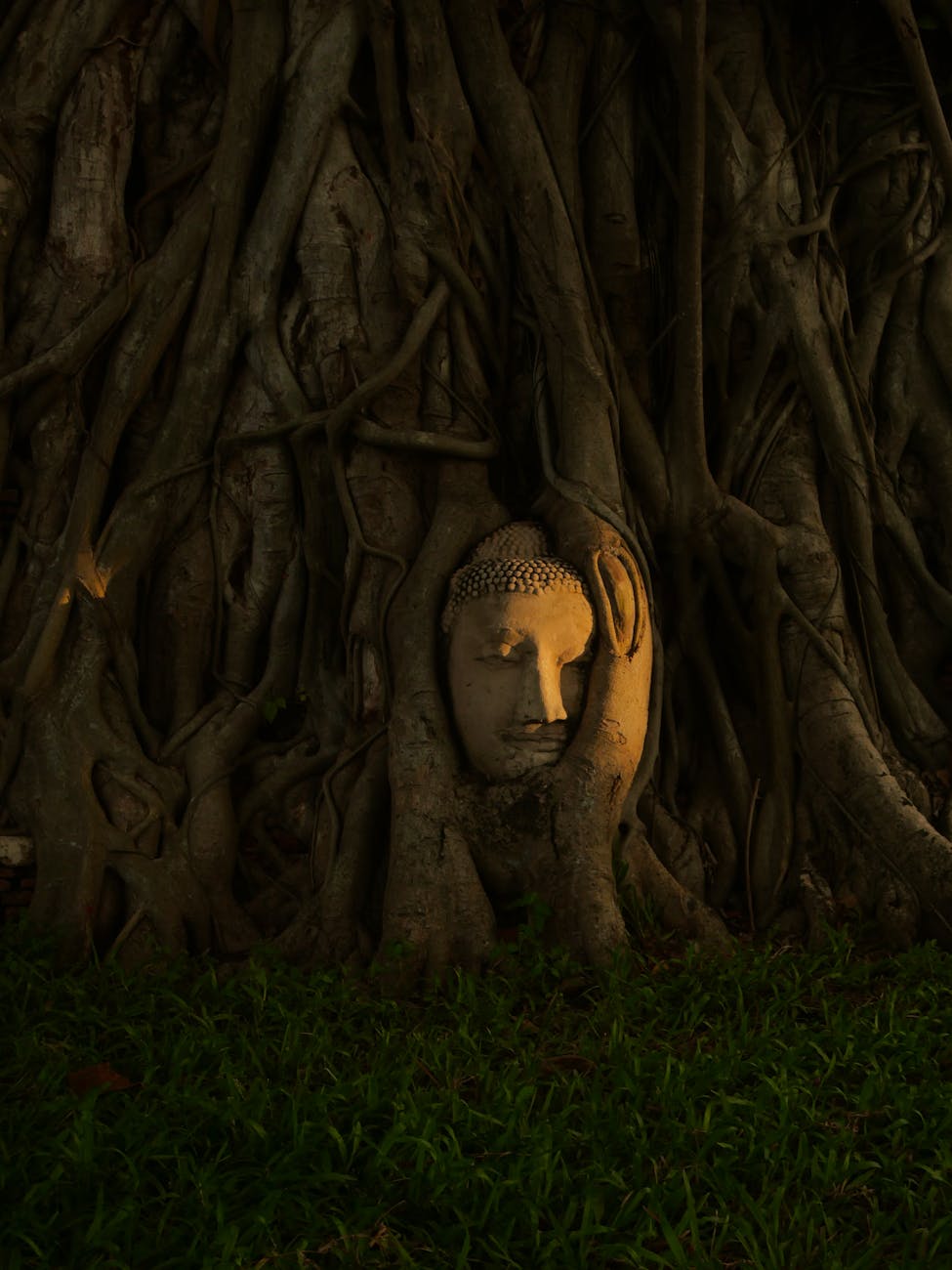
But these tales are more than just ancient stories. They are a wellspring of profound inspiration, a blueprint for artistry that speaks to the very soul of the North. Here at Viking Blogs, we believe that the spirit of the Vikings lives on not just in sagas, but in the things we create. In our category of Custom Viking Creations, we explore how to bring these myths to life. Today, we journey to the heart of their universe to uncover how the whispers of Yggdrasil and the tales of the nine realms can be forged, carved, and stitched into your very own pieces of Norse heritage.
The great ash: understanding Yggdrasil
Before we can explore the realms, we must first pay respect to the cosmic pillar that holds them together. Yggdrasil, the World Tree, is the eternal, ever-green ash tree at the absolute center of the Norse universe. Its name is thought to mean “Odin’s Horse,” a reference to the god hanging himself from its branches for nine nights to gain the wisdom of the runes. It is not merely a tree; it is the axis of existence, the scaffold of reality.
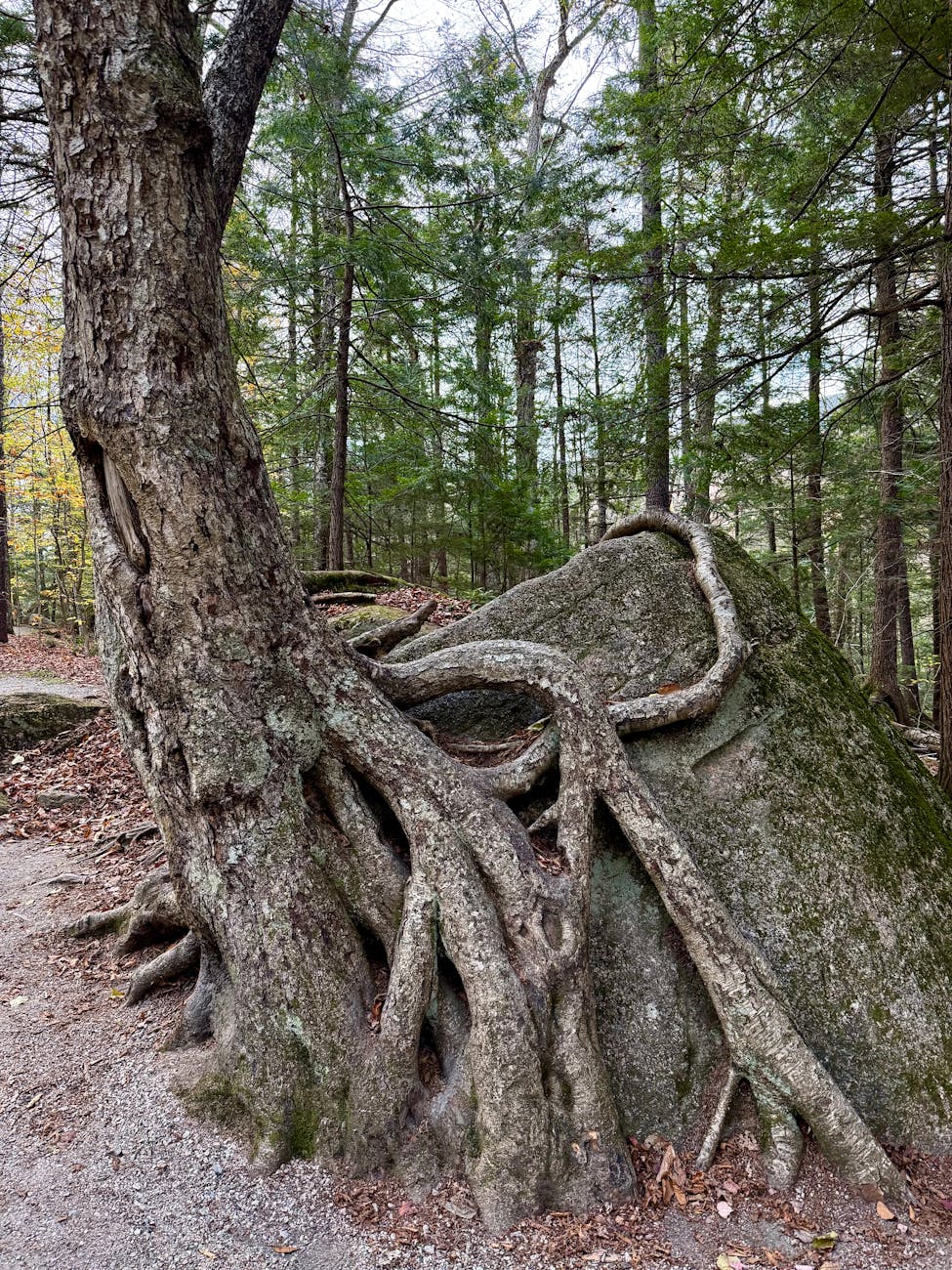
Its branches stretch up to the heavens, sheltering Asgard, the home of the gods. Its trunk passes through Midgard, the world of mortals. Its three great roots delve deep into the cosmos, drawing water from sacred wells in Asgard, Jotunheim, and Niflheim. Creatures dwell within it — the eagle at its top, the dragon Níðhöggr gnawing at its roots, and the squirrel Ratatoskr scurrying up and down, carrying insults between them. Yggdrasil is a symbol of life, connection, destiny, and the cyclical nature of destruction and rebirth. It is the ultimate motif for any custom creation, representing the interconnectedness of all things.
A journey through the nine realms: inspiration for your craft
Each of the nine realms offers a unique palette of colors, textures, symbols, and emotions. As we travel through them, consider how their essence can be captured in a custom piece of armor, a tunic, a drinking horn, or a piece of jewelry.
Asgard: realm of the gods
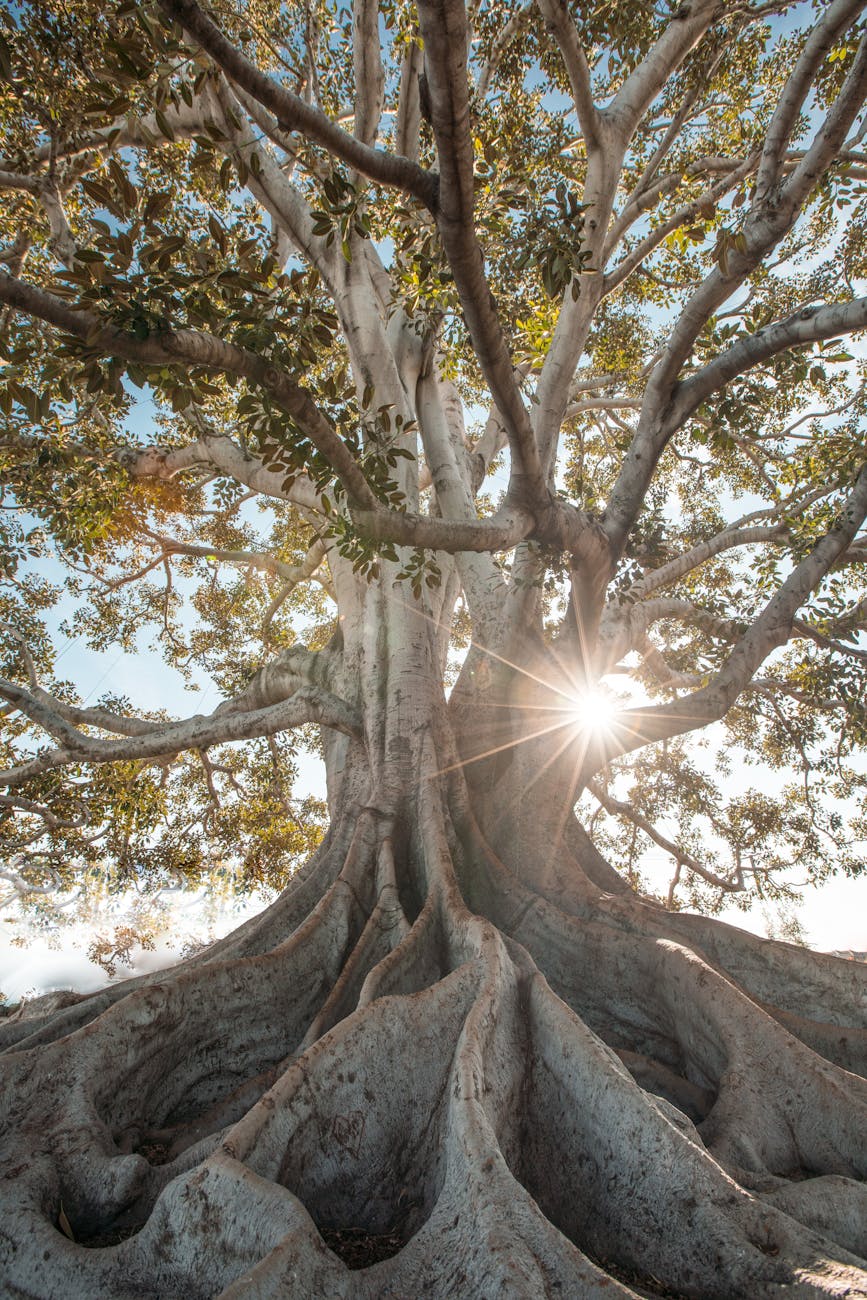
High in the branches of Yggdrasil lies Asgard, the fortified home of the Æsir gods like Odin, Thor, and Frigg. It is a realm of majestic halls, golden rooftops, and the legendary Bifröst, the shimmering rainbow bridge guarded by Heimdall. Asgard represents order, power, divine wisdom, and martial glory.
Creative inspiration: Think polished metals, regal colors, and symbols of power. A custom piece of armor could feature brass or gold-colored trim, evoking the gleaming halls of Valhalla. A tunic could be embroidered with Thor’s hammer, Mjölnir, or Odin’s ravens, Huginn and Muninn. Jewelry might incorporate intricate knotwork patterns found on picture stones, symbolizing the complexity and strength of the gods. The vibrant colors of the Bifröst could inspire beautiful, multi-colored stitching on a cloak’s edge.
Midgard: realm of humanity
Situated in the middle of the cosmos, surrounded by an impassable ocean, is Midgard — our world. It is the realm of mortals, a place of struggle and triumph, of farming and fighting, of life and death. It is protected from the giants of Jotunheim by a great fence made from the eyelashes of the primordial giant Ymir. Midgard represents resilience, community, and the human spirit.
Creative inspiration: Creations inspired by Midgard should feel grounded, functional, and authentic. Think natural materials: sturdy wool, worn leather, carved wood, and forged iron. A custom leather belt could be tooled with scenes of daily life or a protective bindrune. A simple, well-made linen tunic speaks to the practical nature of its inhabitants. Carvings on a shield or axe handle could depict dragons or serpents like Jörmungandr, the Midgard Serpent who encircles the world, reminding the warrior of the dangers that lie just beyond the horizon.
Jotunheim: realm of the giants
To the east lies Jotunheim, a wild, untamed land of snow-capped mountains, dark forests, and rugged landscapes. It is the home of the Jötnar, or giants, ancient and powerful beings who are the frequent adversaries of the Æsir. Jotunheim is a realm of chaos, raw elemental power, and ancient, formidable strength.
Creative inspiration: Embrace raw, rugged textures. Think rough-hewn wood, unpolished stone, and thick, coarse-spun wool. A drinking horn from Jotunheim would be massive and unadorned, valuing size and function over intricate detail. A cloak could be made from thick animal hide or fur, practical for a harsh, cold environment. Carvings might feature jagged, angular patterns that mimic mountain peaks, or the fierce faces of the giants themselves, a testament to untamed natural force.
Vanaheim: realm of the Vanir
The home of the Vanir tribe of gods, such as Freyr and Freyja, Vanaheim is a realm of fertility, prosperity, and natural magic. While its exact location is debated in the texts, it is often depicted as a verdant, vibrant land of unparalleled natural beauty. It represents harmony with nature, abundance, and the mysterious forces of life.
Creative inspiration: Let nature be your guide. Designs inspired by Vanaheim would feature flowing, organic motifs: leaves, vines, flowers, and animals. Embroidery on a garment could showcase golden wheat sheaves for Freyr or the graceful falcon for Freyja. Jewelry could be crafted with green or amber stones, and wooden pieces could be carved with spirals and swirling patterns that evoke the growth of plants and the flow of water. The color palette would be rich with earth tones: deep greens, warm browns, and sunny golds.
Alfheim: realm of the light elves
Alfheim, or Ljósálfheimr, is the ethereal home of the light elves. Ruled by the god Freyr, it is described as a place of breathtaking beauty and light, even brighter than the sun. The light elves themselves are luminous, magical beings associated with art, music, and healing.
Creative inspiration: Think elegance, light, and delicate craftsmanship. Materials would be fine linens, silks, and polished silver. A custom creation from Alfheim would be more decorative than martial. Imagine a finely woven tunic with delicate silver-thread embroidery in graceful, sweeping patterns. A silver arm ring could be crafted to look like intertwined, light-catching vines. The work would be intricate and detailed, reflecting the masterful artistry of the elves.
Svartalfheim (Nidavellir): realm of the dwarves
Deep within the earth lies Svartalfheim, the land of the dwarves, also known as dark elves. This is a realm of caverns, forges, and mines, glittering with precious metals and gems. The dwarves are master smiths and craftsmen, responsible for creating some of the most famous artifacts in Norse mythology, including Thor’s hammer and Odin’s spear.
Creative inspiration: This is the ultimate realm for lovers of metalwork and intricate design. Inspiration from Svartalfheim focuses on geometric precision, subterranean motifs, and masterful blacksmithing. Think damascus steel patterns on a blade, intricate filigree on a brooch, or deeply carved knotwork on a metal helmet. Runes could be expertly inlaid into a weapon’s hilt with gold or silver. Leatherwork would be robust and decorated with metal studs and plates, combining function with subterranean artistry.
Muspelheim: realm of fire
In the south lies Muspelheim, a primordial realm of eternal fire, lava, and soot. It is the home of the fire giants, led by the formidable Surtr, who is destined to engulf the world in flames during Ragnarök with his flaming sword. Muspelheim represents destruction, raw power, and the creative-destructive force of fire.
Creative inspiration: Channel the forge itself. Colors would be black, charcoal grey, deep red, and fiery orange. A custom axe head could be fire-etched with swirling patterns that mimic flames. Leather could be branded or dyed in a way that looks scorched. A shield could be painted with the terrifying image of Surtr, or with chaotic, crackling patterns. This realm inspires bold, powerful, and even intimidating designs that speak of immense power.
Niflheim: realm of ice and mist
In the north, opposite Muspelheim, lies Niflheim, the primordial realm of ice, mist, and darkness. It is a place of bone-chilling cold, one of the two original realms from which all life emerged when its ice met Muspelheim’s fire. It is home to the great well Hvergelmir, the source of many rivers.
Creative inspiration: The aesthetic of Niflheim is one of stark, cold beauty. The color palette is muted: whites, greys, pale blues, and black. A custom piece could feature materials like polished bone or light-colored wood. Etchings on a knife or pendant might resemble the sharp, crystalline structure of ice. A heavy wool cloak in a stark white or grey would evoke the endless mists of this ancient realm, perhaps fastened with a silver brooch shaped like a shard of ice.
Helheim: realm of the dead
Presided over by the goddess Hel, daughter of Loki, Helheim is the realm of the ordinary dead — those who did not die gloriously in battle. It is a grim, gloomy place located deep beneath the roots of Yggdrasil. It is not a place of punishment like the Christian Hell, but rather a somber, shadowy continuation of existence.
Creative inspiration: This realm inspires designs that are somber, symbolic, and deeply meaningful. Motifs would include bones, skulls (in a respectful, ancestral context), and symbols of finality or passage, like the ship Naglfar. The colors are dark and muted. A custom leather pouch could be tooled with the image of the hound Garmr, who guards Helheim’s gate. A carved wooden staff might feature runes associated with death and endings, not as a morbid fascination, but as a stoic acceptance of fate and the cycle of life.
Weaving the cosmos: bringing the nine realms into your gear
The nine realms are not just destinations in a mythological map; they are archetypes. They are reservoirs of powerful ideas about life, death, nature, and craftsmanship. When you commission or create a custom Viking piece, you are not just replicating an object. You are telling a story.
Does your spirit resonate with the wild, untamed strength of Jotunheim? Let it show in the rugged finish of your axe. Do you value the community and resilience of Midgard? Let it be seen in the sturdy, practical stitching of your tunic. Are you drawn to the masterful artistry of the dwarves of Svartalfheim? Let it be known through the intricate knotwork on your arm ring. By drawing inspiration from the nine realms, you can imbue your creations with a deeper layer of meaning, connecting your personal journey to the grand, cosmic sagas of the North.
Your legend, your realm
The whispers of Yggdrasil are still carried on the wind for those who choose to listen. They tell tales of gods and giants, of fire and ice, and of the nine distinct worlds that make up the whole of existence. By understanding these realms, we gain a new vocabulary of symbols and styles to express the Viking spirit.
Which realm calls to you? Let its story become a part of your story, forged in steel, carved in wood, or stitched in thread. Embrace the spirit of the North, and let the cosmos itself be the blueprint for your next custom Viking creation.

 History Warrior Team